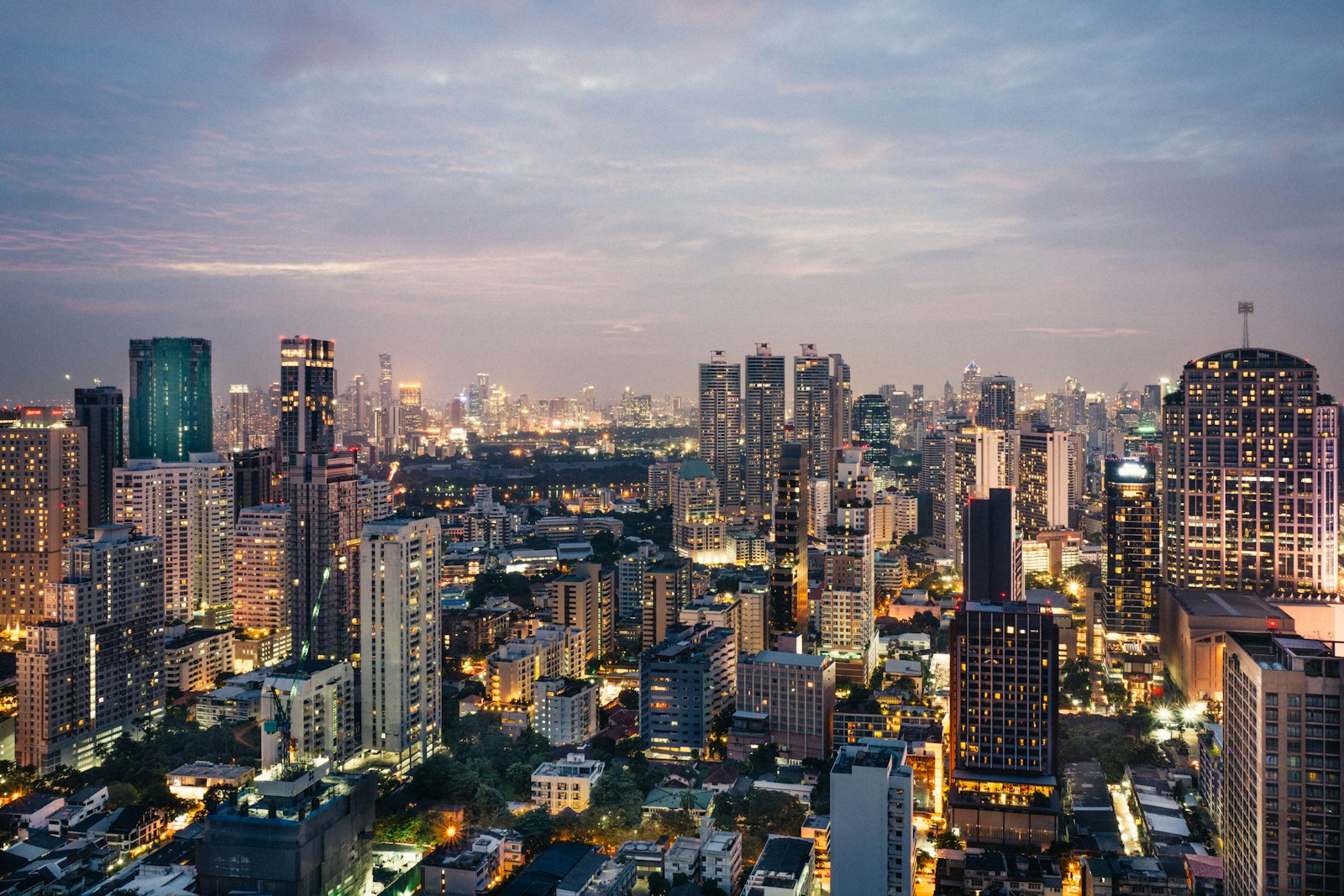
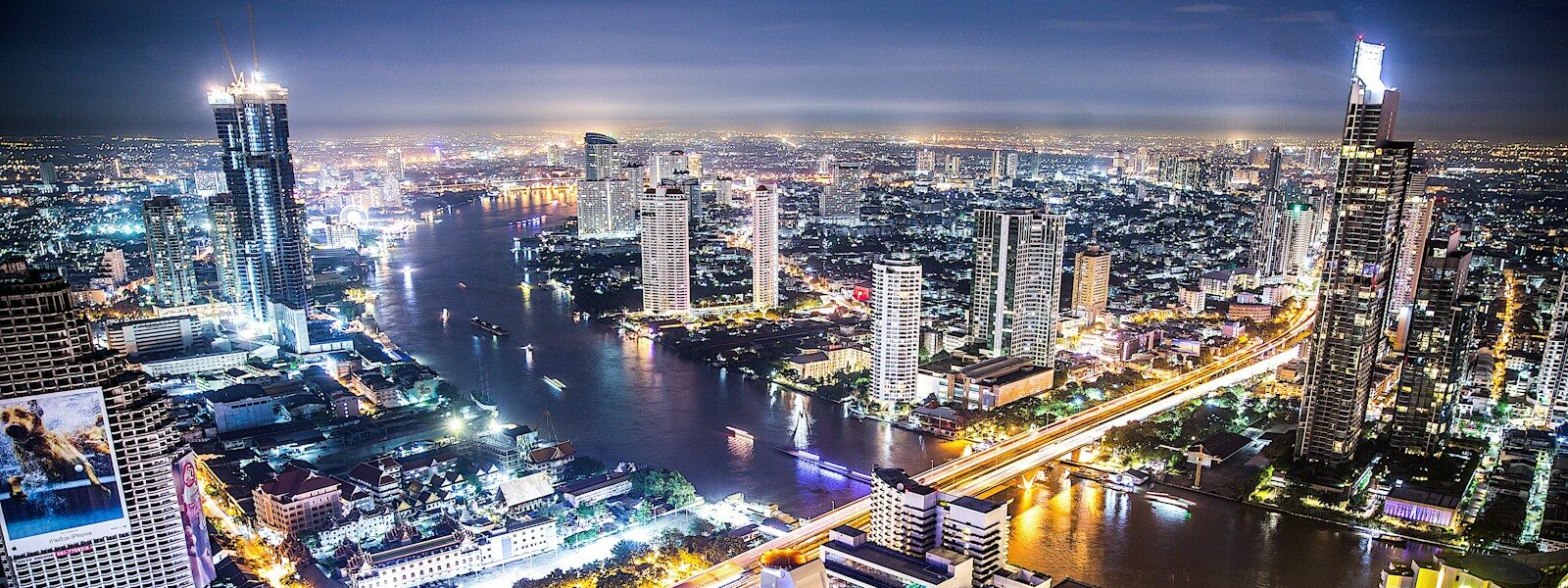
Bangkok, Thailand’s dynamic capital, is a city of contrasts and allure. Known in Thai as Krung Thep (City of Angels), it’s where centuries-old temples, grand royal palaces, and spiritual shrines co-exist with modern shopping malls, slick skyscrapers, and buzzing nightlife. Rich in its cultural heritage and history, Bangkok was established as the capital in 1782 under King Rama I, and subsequently expanded by successive dynasties. Today it is one of Southeast Asia’s premier city destinations.
For Indian travelers, Bangkok offers both exotic charm and ease of access. It is highly connected by direct flights, has travel infrastructure friendly to visitors, and caters well to varied budgets. Families, couples, solo backpackers, food fans, and even spiritual seekers will find something to love. Keyword searches like “Bangkok travel,” “things to do in Bangkok,” “Bangkok itinerary,” “Bangkok food guide,” and “Bangkok temples” remain highly popular.
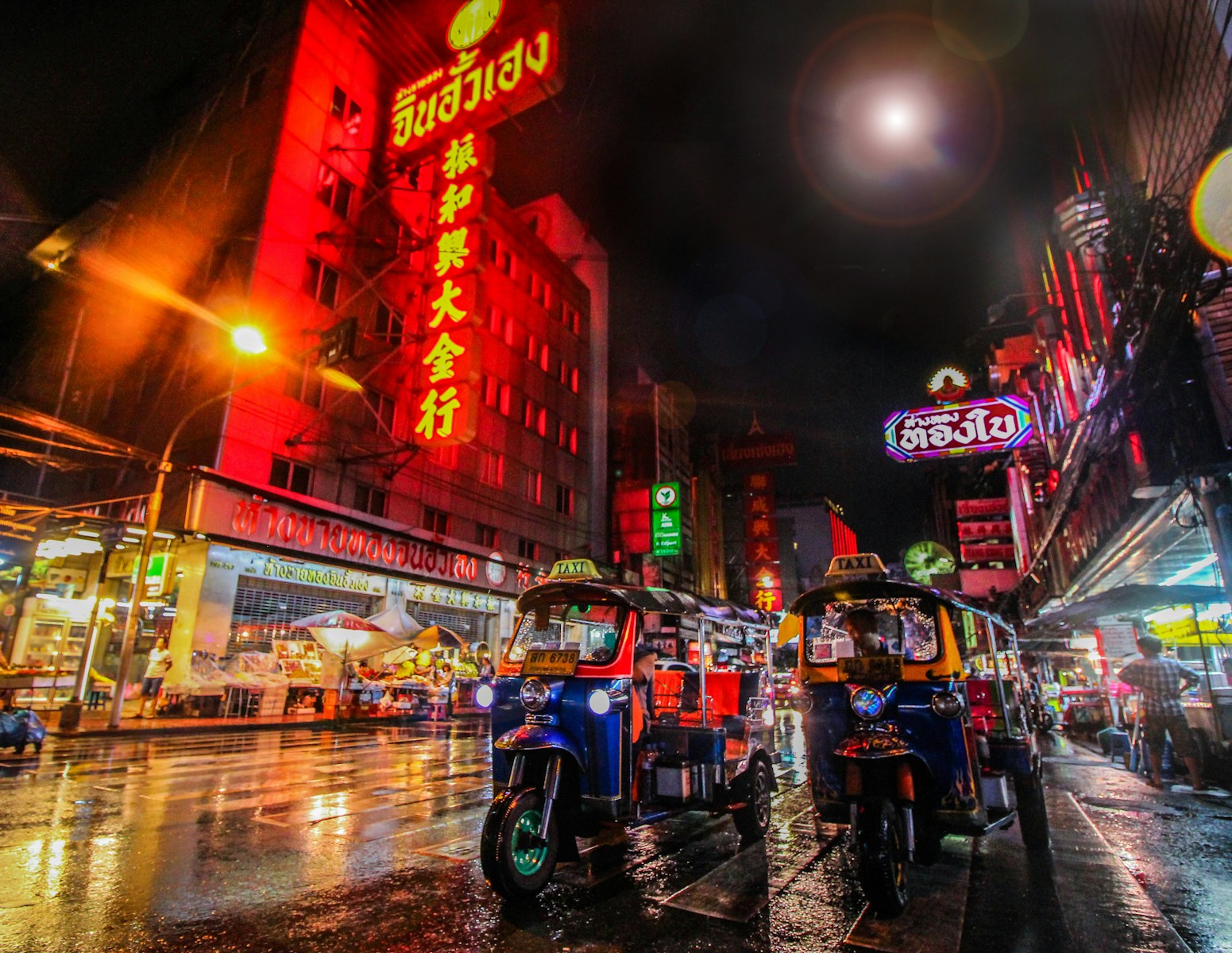
What sets Bangkok apart is its ability to satisfy every kind of traveler. You can float down canals (“khlongs”), ride tuk-tuks across busy junctions, savor street food in neon alleys, visit gilded temples and hidden shrines, shop in luxury malls or weekend markets, or unwind by the Chao Phraya River at sunset. Whether your visit is 2 days or a week, Bangkok’s mix of vibrancy, culture, and convenience makes it a perfect starting (or main) destination in Thailand.
How to Reach Bangkok
By Air
Most common: direct flights from major Indian cities (Delhi, Mumbai, Bengaluru, Kolkata, Chennai) to Bangkok (Suvarnabhumi or Don Mueang). Approx flight time: 4–5 hours.
Connecting flights: via hubs like Kuala Lumpur, Singapore, or Bangkok if flying onward to other Thai cities.
Local Transportation within Bangkok
Use the BTS Skytrain, MRT subway, and airport rail link for fast transit.
River taxis on Chao Phraya and canal boats offer scenic access to many temples.
Taxis / tuk-tuks: always confirm meter or negotiate fare in advance.
Ride-hailing apps (Grab) operate in Bangkok and give safer, more transparent fares.
Tips on Local Transport Safety
Avoid overcharging by insisting on meters or agreeing in advance.
Don’t take unlicensed taxis.
Avoid riding motorbikes unless you are confident and wear a helmet.
Tourist Attractions in Bangkok
Here are some of the best attractions, must-visit places, and sightseeing spots in Bangkok:
The Grand Palace & Wat Phra Kaew — Bangkok’s majestic royal complex
Wat Pho (Reclining Buddha) — giant reclining Buddha and traditional massage school.
Wat Arun (Temple of Dawn) — riverside spire illuminating at sunset.
Chatuchak Weekend Market — one of the world’s largest markets for shopping & local goods.
Asiatique The Riverfront — night bazaar, dining, and entertainment along the river.
ICONSIAM — luxury shopping, cultural center, riverside complex.
Explore Bangkok’s khlongs (canals) and offbeat waterways — see local life & hidden temples.
Jim Thompson House & Bangkok Art & Culture Centre — for heritage and arts lovers
Chinatown (Yaowarat) — neon-lit streets, street food, temples, markets
Things To Do in Bangkok
Here’s a list of top things to do and memorable experiences in Bangkok:
Cruise the Chao Phraya River & canals for unique city views
Visit temples: Grand Palace, Wat Pho, Wat Arun, and hidden shrines
Shop in Chatuchak, Siam Paragon, MBK, and underground malls
Take a walking food tour of Chinatown / Yaowarat
Explore floating markets early morning
Watch a traditional Thai dance or puppet show
Try Thai cooking classes or food market tours
Enjoy rooftop bars or dinner cruise at night
Visit art galleries, museums, and cultural centers
Relax with Thai massage or spa experiences
Experience nightlife: bars, night markets, live music
Photograph street scenes, alleyways, and temple details
Best Time To Travel
November to February is the ideal season: cooler weather, low rain, clear skies — perfect for sightseeing.
March to April: hot and humid, but still workable, especially for evening exploration.
May to October: monsoon / rainy season — showers frequent, some flooding risk, but fewer tourists and better deals.
Advantages by timing:
Peak (Nov–Feb): best climate, full services, but higher prices.
Shoulder (Mar–Apr, Oct–Nov): fewer crowds, still good weather, moderate costs.
Off-peak (Jun–Sep): good bargains, quieter places, but need flexibility with itineraries due to rain.
Events & Precautions
Major events: Songkran (Thai New Year water festival in April) draws crowds across Bangkok, especially Khao San Road & Silom.
Loy Krathong (lanterns & floating baskets) also celebrated in Bangkok.
During festivals: guard your belongings in busy areas, avoid low-lying zones during rains, and respect local customs (dress modestly near religious sites).
In rainy season, watch for flash flooding, always check transport / ferry schedules, avoid traveling during storm warnings.
Useful Travel Tips
Transport & Local Guide: use BTS, MRT, river taxis, and reliable ride-hailing.
Currency: Thai Baht (THB). Use ATMs in safe places; carry small notes for street vendors.
Accommodation: wide range — hostels, mid-range hotels, luxury riverside resorts. Book well ahead in peak season.
Internet & Connectivity: buy local prepaid SIM (AIS, TrueMove) for data and calls. Free WiFi common in cafés / malls.
Language: Thai is official; English works in tourist zones. Learning “hello” (sawasdee) and “thank you” (khop khun) goes a long way.
Sustainable Travel: favor eco-friendly tours, avoid single-use plastics, and support local small businesses.
Health & Wellness: carry mosquito repellent (some areas risk of dengue), drink bottled or filtered water, rest well.
Stay hydrated; choose food stalls that are busy and clean.
Emergency numbers / apps:
– General emergency (police/ambulance): 191
– Tourist Police (24/7): 1155
– Tourism Authority of Thailand contact info: via official TAT site
– Ambulance & rescue: 1669 (in Bangkok)
Suggested Itinerary Options
3-Day Itinerary – Bangkok Focus
Day 1: Arrival in Bangkok — rest, river cruise & dinner, stroll Asiatique
Day 2: Grand Palace & Wat Phra Kaew, Wat Pho, then cross to Wat Arun, evening at Chinatown
Day 3: Chatuchak Market (weekend), Jim Thompson House or art galleries, depart
5-Day Itinerary (Popular)
Day 1: Arrival, relax, evening river cruise
Day 2: Temples (Grand Palace, Wat Po, Wat Arun), explore canals
Day 3: Day trip to floating markets (Damnoen Saduak / Amphawa)
Day 4: Shopping and modern Bangkok (Siam, ICONSIAM), nightlife
Day 5: Art & cultural day (museums, galleries), depart or extend
7-Day Itinerary
Day 1–2: As above (temples, river, markets)
Day 3: Ayutthaya day trip (ancient ruins)
Day 4: Chatuchak + neighborhoods & street art
Day 5: Floating markets + rural village visit
Day 6: Modern side of Bangkok, malls, cultural venues
Day 7: Last-minute shopping, massage/spa, depart
Nearby Destinations for Extended Trip
Ayutthaya (80 km / 1.5 hours by train or car) — ancient capital ruins and temples.
Kanchanaburi (130 km / 2 hours by road) — Bridge over River Kwai, Erawan Falls, war memorials.
Pattaya (150 km / 2–3 hours by bus/road) — beach getaway and night markets.
Hua Hin (200 km / 3 hours by road or train) — seaside resort, royal palace, relaxed pace.
Khao Yai National Park (150–180 km / ~2.5–3 hours) — forests, wildlife, waterfalls — ideal escape from the city.
Bangkok → Siem Reap, Cambodia (400 km / flight + border) — Angkor Wat temples (if extending regionally).
Trip extension tip: Use Bangkok as a hub, then take short road or train journeys to these nearby destinations. Many tours operate from Bangkok.
Must Try — For Foodies
Indian Veg
Dosa King (Sukhumvit 11, Bangkok) — pure vegetarian South & North Indian menu (@ approx. THB 200–400)
Saras Pure Vegetarian Restaurant (Sukhumvit Soi 20) — full Indian vegetarian + Jain & Indo-Chinese options (@ approx. THB 150–350)
Saravana Bhavan (Silom, Bangkok) — South Indian favorite for dosa, idli, thalis (@ approx. THB 150–300)
Indian Non-Veg
Amritsr (Bangkok) — acclaimed Indian vegetarian & non-veg offerings in the heart of city (@ approx. THB 250–600)
Punjab Grill Bangkok — part of MICHELIN Indian listing in Bangkok (@ higher end)
Indus (Bangkok, Michelin guide) — upscale Indian with non-veg choices (@ premium fare)
Local Cuisine (Thai / Street Food / Thai specialties)
Raan Jay Fai — Michelin-star street food known for crab omelette and wok classics.
Thip Samai — legendary Pad Thai stall.
Chamlong’s Asoke All Veg Food Court (Chatuchak) — vegetarian Thai dishes in market context.
Khun Churn — vegetarian Thai & fusion options in (Ekkamai area) praised by local food bloggers.
Veganerie Concept / May Veggie Home — good vegan / vegetarian setups in Bangkok neighborhoods.
Other International Cuisines
Bangkok hosts strong Japanese, Korean, Italian, fusion restaurants especially in Sukhumvit, Silom, Thonglor, Ari — check local listings or apps (e.g. OpenRice, Tripadvisor).
Additional Information & Links
Official Tourism Authority of Thailand – Bangkok page: tourismthailand.org
Thailand Tourist Police (useful contact) 1155
Thailand Emergency number general: 191
Frequently Asked Questions
Indian passport holders may be eligible for visa on arrival or must apply for tourist visa in advance depending on policy at time of travel.
Generally yes in mainstream tourist districts — use normal precautions, avoid deserted areas at night, and stay alert in crowds.
Very good — BTS Skytrain, MRT subway, river boats, tuk-tuks, taxis, ride apps.
Street food like pad Thai, mango sticky rice, tom yum, boat noodles, coconut ice cream, and local snacks in markets.
Yes in tourist areas — signage, menus, and staff often speak basic English.
Yes — in markets and with street vendors. But in fixed shops or malls, do not haggle too hard.
Generally not — drink only bottled or filtered water.
Thailand uses 220 V, 50 Hz. Plugs are type A, B, C, F — carry a universal adapter.
3 to 5 days give you time to cover temples, markets, museums, and a day trip.
Not mandatory, but small tips (rounding up, a few baht) are appreciated in restaurants, spas, tours, and by guides.
Need Assistance?
For any questions about Attraction bookings, please reach out to us via WhatsApp or call.



 5N/6D
5N/6D 4.7 (Excellent)