Vietnam: Discover the Heart of Southeast Asia in One Journey
(Vietnam – Asia)
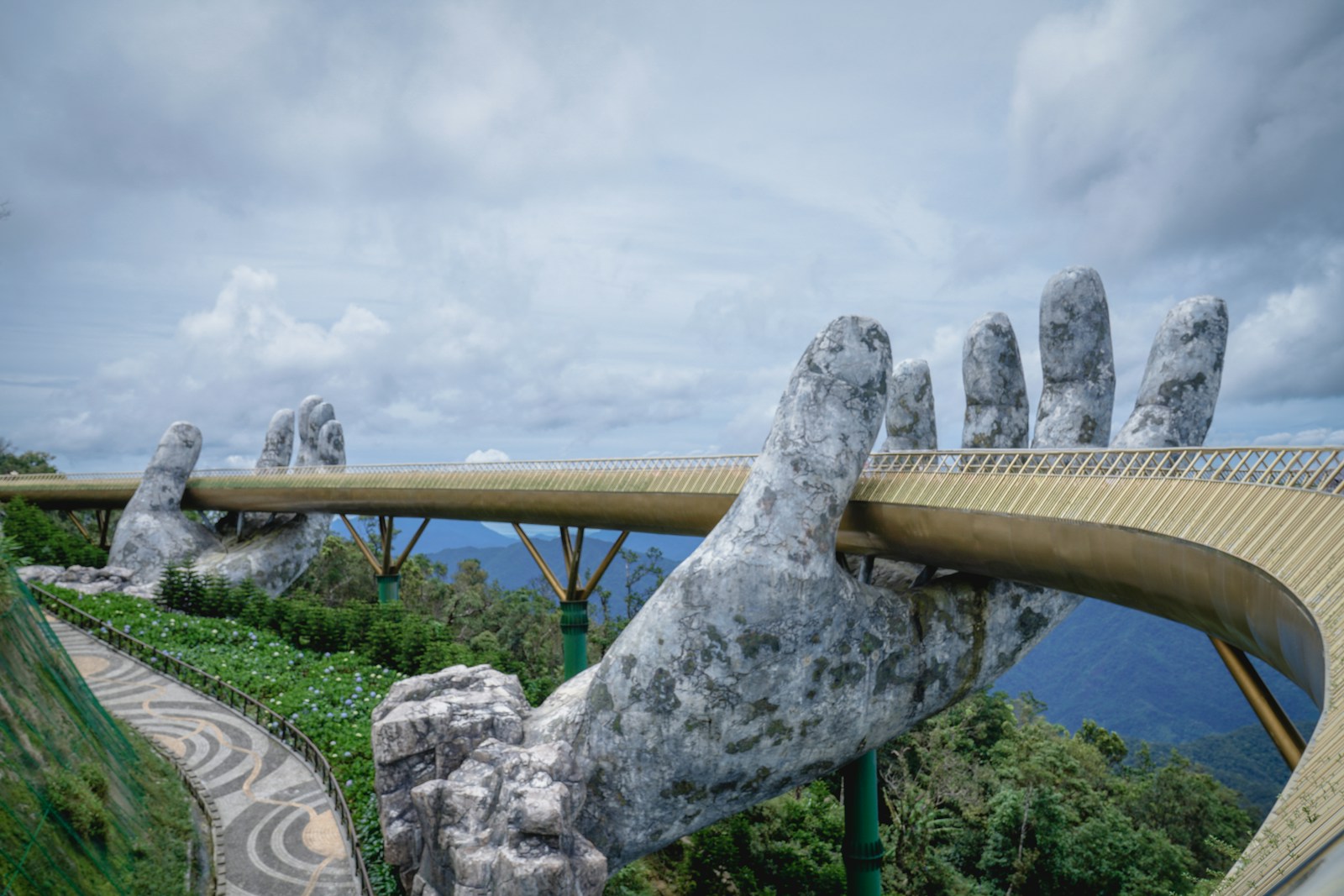
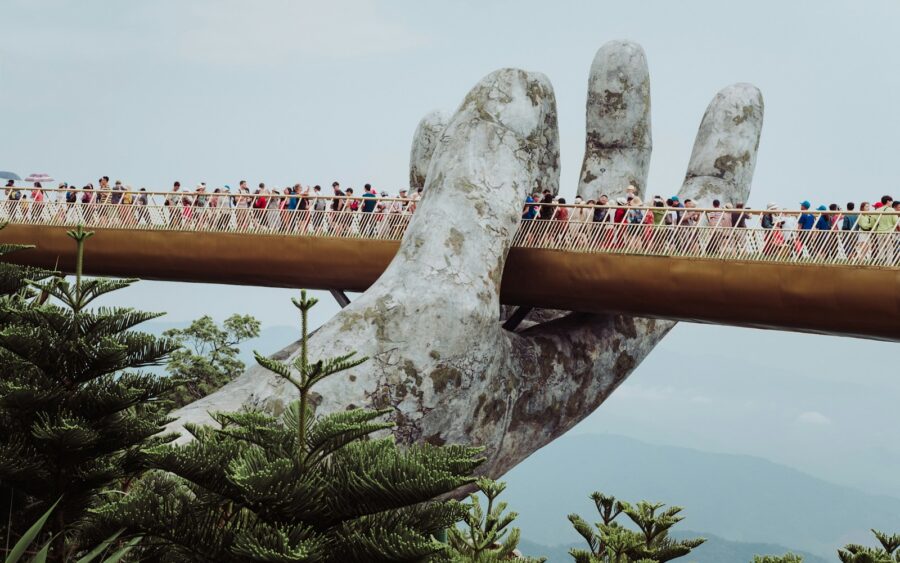
Vietnam – Sun World Ba Na Hills
Vietnam is a country of contrasts and charm, stretching over 1,600 km from north to south with three distinct climatic and cultural zones. It blends ancient traditions, dramatic natural beauty, and emerging cosmopolitan cities. With influences from Chinese, French, and regional Southeast Asian cultures, Vietnam’s history is rich—from imperial dynasties to colonial rule and modern reunification. The vibrant street life in Hanoi’s Old Quarter, the atmospheric lantern-lit lanes of Hoi An, the dramatic limestone karsts of Ha Long Bay, and the lush Mekong Delta all weave together into a tapestry of experiences.
For Indian travelers, Vietnam strikes an ideal balance of deep cultural immersion and affordability. Whether you’re a family seeking scenic cruises, couples on a romantic escape, backpackers exploring trails and local markets, or adventure seekers trekking in the northern highlands — Vietnam delivers. You’ll find culinary adventures (pho, banh mi, fresh seafood), cultural performances (water puppetry, traditional music), stunning landscapes (mountain terraced fields, caves, coastal islands), and warm, welcoming locals. Tourism infrastructure is growing rapidly, making travel smoother than ever, and the rising number of direct and connecting flights makes it more accessible. Vietnam offers something for every kind of traveler — from street-food strolls to leisurely cruises to offbeat trails.
How to Reach Vietnam
Although Vietnam is not a domestic (Indian) destination, here’s how Indian travelers can reach Vietnam and move within:
By Air
Direct / Connecting Flights: There are no regular direct flights to Vietnam from many Indian cities. Most routes go via Bangkok, Kuala Lumpur, Singapore, or Hong Kong. However, some direct services or near-direct options are emerging.
Main Entry Airports: Hanoi (Noi Bai – HAN), Ho Chi Minh City (Tan Son Nhat – SGN), Da Nang (DAD). Many international flights land at one of these hubs.
Travel Time: With a transit, typical journey time from Delhi/Mumbai is 7–10 hours (including layover).
Within Vietnam
Domestic Flights: Fastest way to connect cities (e.g. Hanoi ⇄ Da Nang, Da Nang ⇄ Ho Chi Minh City).
Train / Sleeper Rail: The Reunification Express runs between Hanoi and Ho Chi Minh City, with overnight options.
Long-distance Buses / Coaches: Comfortable sleeper buses run between major cities and tourist regions.
Local Transport: In cities, use taxis, motorbike taxis, rideshares (e.g., Grab), cyclos, or local buses. Always negotiate or use meters.
Tips on Local Transportation & Safety
Prefer licensed taxis or app-based rides (Grab) to avoid overcharging.
In rural or hilly regions, road conditions can be challenging—travel daytime when possible.
Keep your travel times buffer, especially for connections.
Tourist Attractions in Vietnam
Here are some of the best attractions, must-visit places, and sightseeing highlights in Vietnam:
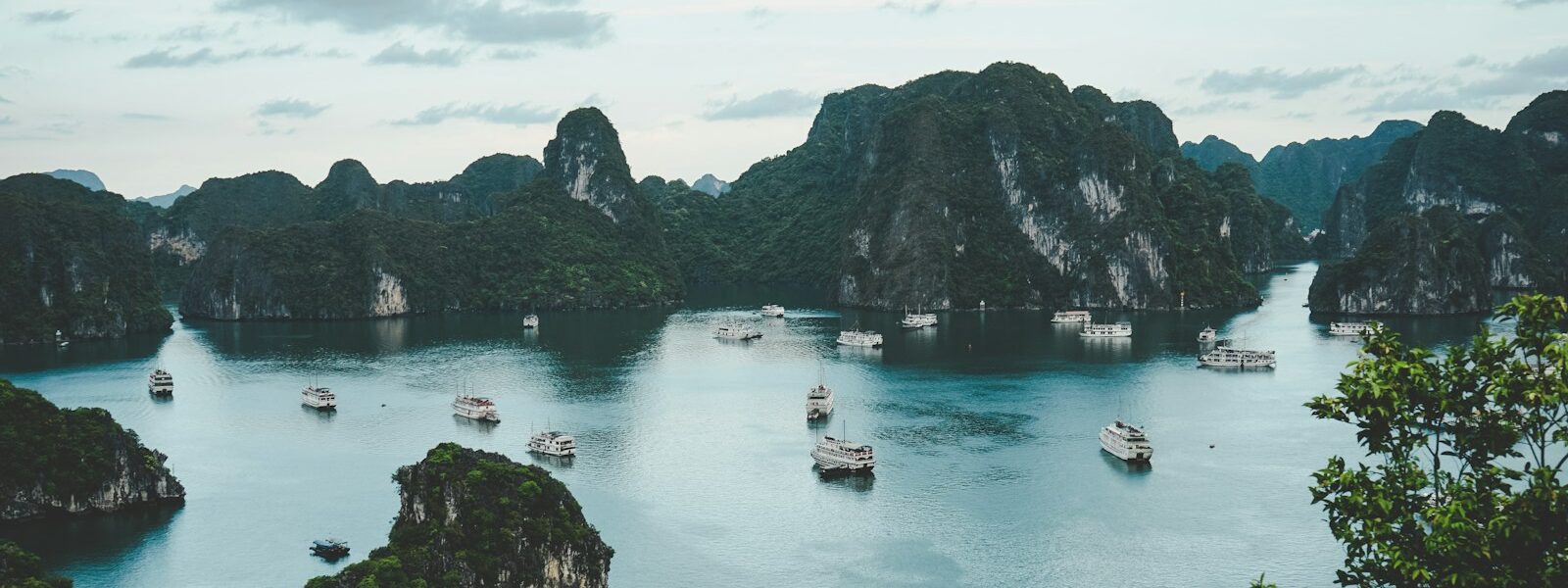
Ha Long Bay (northern Vietnam) – Famous limestone karsts rising from emerald waters
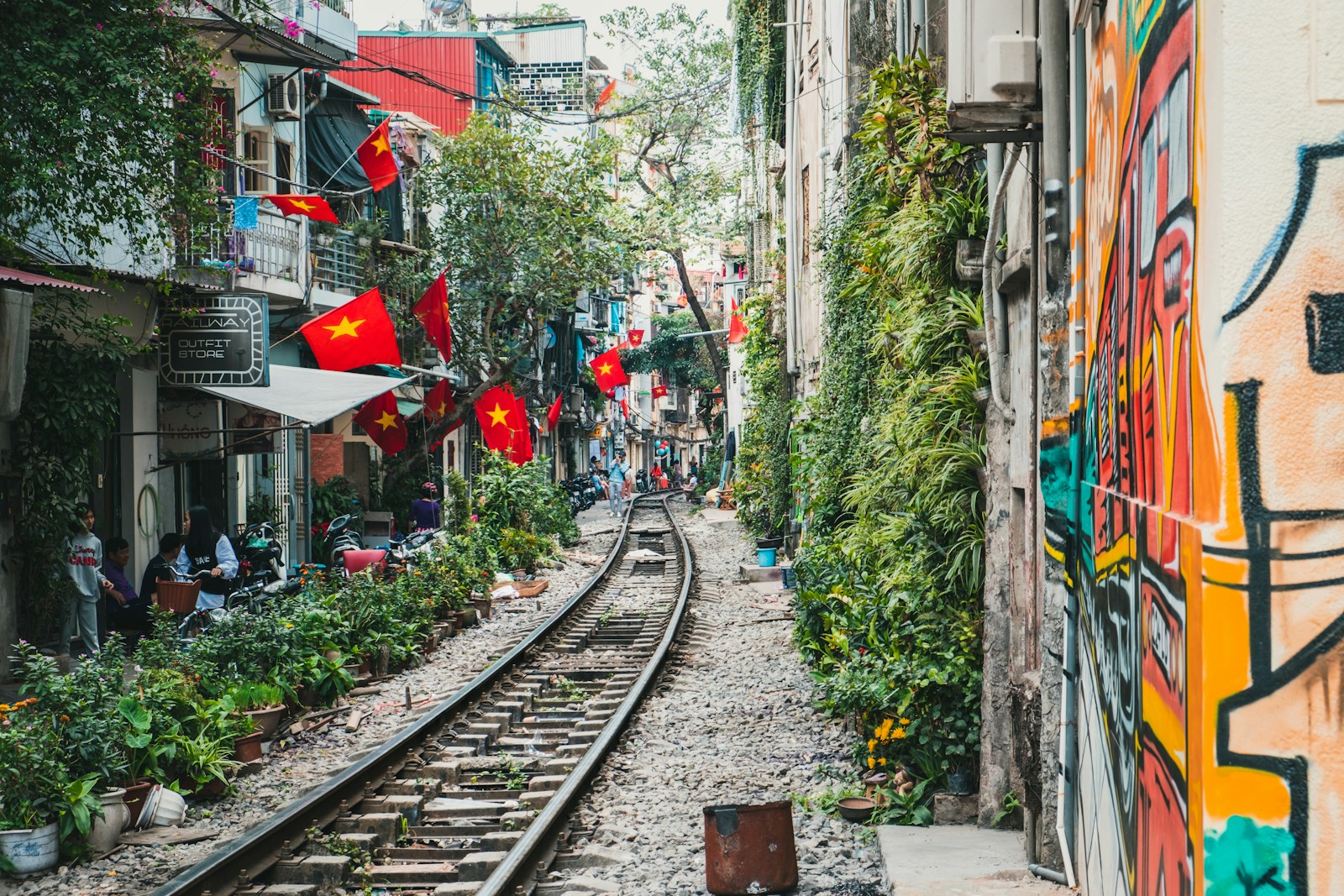
Hanoi Old Quarter & Hoan Kiem Lake – Colonial streets, temples, vibrant street life
Hoi An Ancient Town – Lantern-lit heritage town with riverside charm
Hue Imperial Citadel – Former royal capital, tombs & palaces
Sapa & Mu Cang Chai – Terraced hills, tribal villages, trekking trails
Phong Nha – Kẻ Bàng National Park – Cave systems, underground rivers
Mekong Delta (e.g., Can Tho, Cai Rang floating market)
Ho Chi Minh City (Saigon) – War museums, colonial architecture, bustling markets
Cu Chi Tunnels (near Ho Chi Minh City) – Underground war tunnels
Phu Quoc Island – Pristine beaches, marine life, island relaxation
Da Nang & Marble Mountains – Coastal city with cultural landmarks
Hai Van Pass – Scenic mountain road between Hue & Da Nang
Things to Do in Vietnam
Here are top things to do, experiences, and activities in Vietnam:
Cruise Ha Long Bay on junk boats or overnight cruises
Walk or cycle through Hoi An’s old town and across the Japanese Bridge
Trek in Sapa or Mu Cang Chai among hill-tribe villages
Explore caves in Phong Nha (e.g. Paradise Cave, Dark Cave)
Paddle a kayak through water caves or mangroves
Take a boat ride in the Mekong Delta, visit floating markets
Ride a motorbike or drive the Hai Van Pass
Go street-food walking tours in Hanoi or Ho Chi Minh City
Visit museums: War Remnants Museum (HCMC), Hoa Lo Prison (Hanoi)
Relax on beaches at Phu Quoc, Nha Trang, Da Nang
Experience water puppet shows, local performances
Shop local markets and artisan villages
Best Time to Travel
Northern Vietnam (Hanoi, Sapa, Ha Long Bay): Best from October to April (cool, dry).
Central Vietnam (Hue, Da Nang, Hoi An): February to May offers pleasant weather with less rain.
Southern Vietnam (Ho Chi Minh City, Mekong, Phu Quoc): December to April (dry season) is ideal.
Peak Season vs Off-season: December–March tends to be peak in the south; May–September sees monsoons (heavy rains) especially in central and northern parts; shoulder seasons offer lower prices and fewer crowds.
Travel in off-peak times can offer cheaper flights and accommodations, but weather may be unpredictable.
Events & Precautions
Major Events & Festivals
Tet (Vietnamese Lunar New Year): Late January / early February — biggest festival, shops close, travel busy.
Mid-Autumn Festival (Moon Festival): September — lantern shows, cultural events.
Hue Festival (biennial) features cultural performances, parades.
Local harvest and temple festivals in ethnic areas (Sapa, northern highlands).
Safety & Precautions
During festivals, crowds are huge — guard your belongings, avoid pickpockets.
In rainy seasons, be cautious of flooding, landslides or road washouts.
In coastal or island regions, check weather forecasts before boat trips.
Always carry travel insurance covering medical emergencies and cancellations.
Respect local health guidelines and avoid unlicensed tour operators.
Useful Travel Tips
Transport & Connectivity: Download local ride apps (Grab). Use reliable internal flight carriers (VietJet, Bamboo).
Currency & Payments: Vietnamese Dong is the local currency (VND). Cash is king in smaller towns; credit cards accepted in major cities.
Accommodation: Wide range from budget hostels to boutique hotels and luxury resorts. Book ahead in peak times.
Internet & Connectivity: Buy a local SIM (Vinaphone, Viettel) or portable WiFi.
Language: Vietnamese is official; English is moderately understood in tourist zones. Carry phrasebook or translation app.
Local Etiquette & Customs: Remove shoes before entering homes/temples, dress modestly in religious sites, use two hands when giving/receiving.
Sustainable Travel & Responsible Tourism: Avoid single-use plastics; use refillable bottles; support local artisans and eco-friendly stays.
Health & Wellness: Carry a basic first-aid kit, medicines, mosquito repellent, and stay hydrated.
Packing Essentials: Lightweight clothes, rain jacket, comfortable walking shoes, sunscreen, hat, power adapter (Type A/C).
Shopping Guide & Souvenirs: Silk, lacquerware, conical hats, traditional textiles, specialty coffees. Bargain gently at markets.
Things Not to Do / Avoid
Don’t haggle aggressively—respect local vendors.
Avoid climbing or standing on fragile heritage structures.
Don’t ride motorbikes without proper license or helmet.
Avoid drinking tap water — always consume bottled or filtered water.
Don’t litter or damage natural/historic sites.
Don’t photograph restricted military zones or dangerous areas.
Avoid showing public displays of anger or disrespect.
Things to Remember
Ensure your passport has at least 6 months validity beyond travel period.
Carry photocopies of passport, visa, insurance.
Important emergency numbers in Vietnam: Police 113, Fire 114, Ambulance / First Aid 115




 7N/8D
7N/8D 4.8 (Excellent)