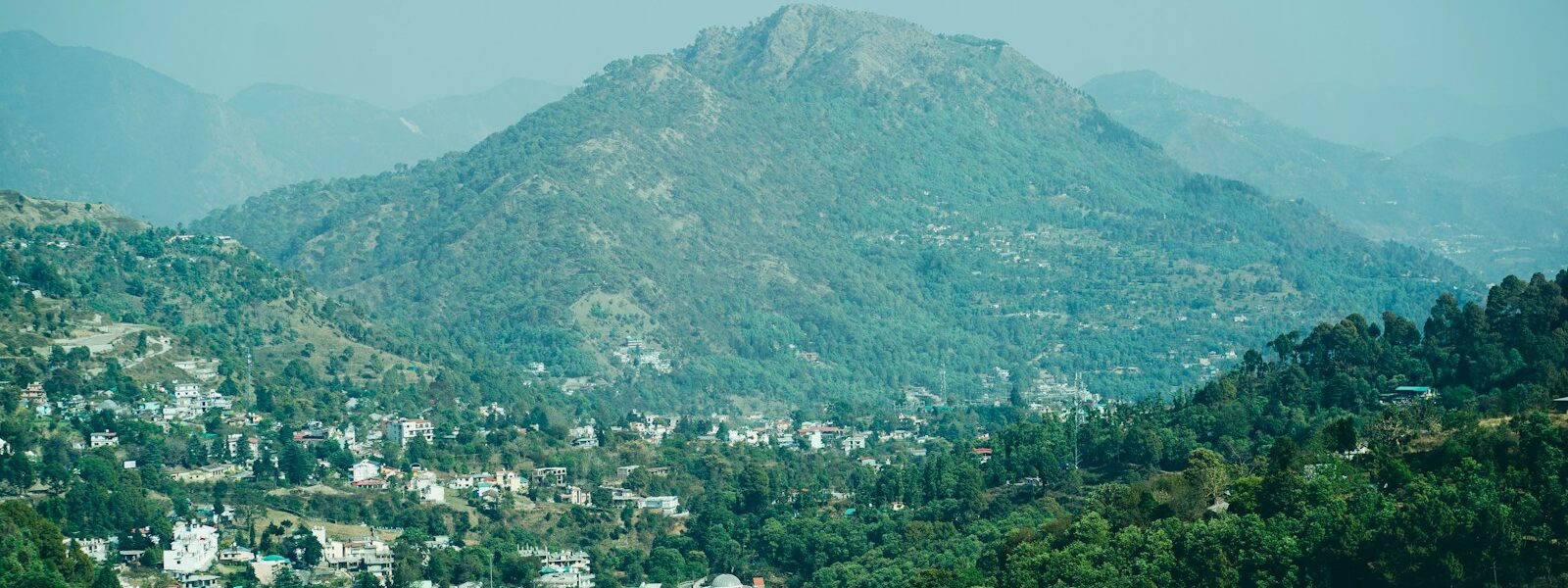
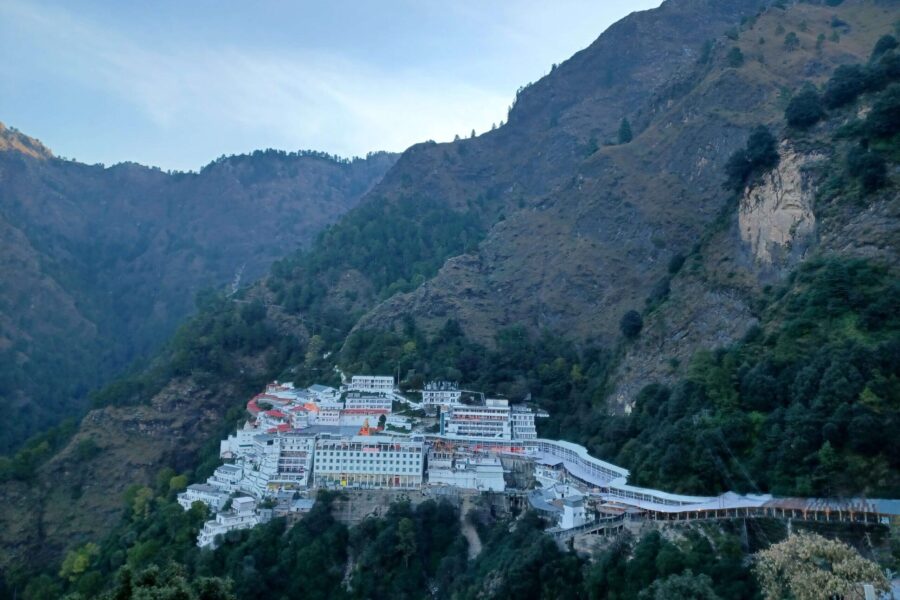
Jammu — often called the City of Temples — sits in the lower Himalaya foothills and serves as the winter capital and cultural gateway of the Union Territory of Jammu & Kashmir. The city combines a strong religious tradition (numerous Hindu shrines), Mughal and Dogra architectural heritage, and bazaars famous for Kashmiri handicrafts, dry fruits and street food. Jammu is also the logistical hub for the famous Maa Vaishno Devi pilgrimage in nearby Katra, and a starting point for scenic hill retreats like Patnitop and Bhaderwah. It appeals to pilgrimage travelers, families, heritage enthusiasts, and those wanting quick access into the Kashmir Valley. Key draws include majestic temples (Raghunath, Ranbireshwar), the hilltop Bahu Fort and garden, and museum sites such as Mubarak Mandi and Amar Mahal. Modern rail and road upgrades have improved connectivity in recent years, making Jammu an increasingly convenient and strategic stop on any North India itinerary.
How To Reach Jammu
By Air
Jammu’s Satwari / Jammu Airport (IXJ) offers regular domestic flights to Delhi, Chandigarh, and other metro hubs. Flight times to Delhi are around 1.5 hours.
By Train
Jammu Tawi (JAT) remains the city’s major long-distance railhead with wide connectivity across India.
Shri Mata Vaishno Devi Katra (SVDK) now operates as a major passenger station serving Katra town; multiple direct trains from Delhi (including a Vande Bharat service) link New Delhi and Katra, significantly cutting travel time for pilgrims and tourists.
By Road / Bus
Jammu is well connected by national highways; overnight private and state buses (HRTC and others) run from Delhi, Chandigarh and Amritsar. Road travel time from Delhi is typically 10–12 hours depending on route and traffic.
Island / Valley Access
For visitors heading onward into the Kashmir Valley (Srinagar/Gulmarg/Pahalgam), recent completion of the Udhampur–Srinagar–Baramulla Rail Link (USBRL) and the Chenab Bridge has improved rail access to the Valley; services connecting Katra/Jammu to Srinagar have started in 2025, including Vande Bharat services on portions of the route.
(Travel tip: For Maa Vaishno Devi darshan, many travelers use the SVDK train to Katra and then a short taxi/foot/pony/heli connection to the Bhawan — shrine board bookings and slot details are managed centrally viaShri Mata Vaishno Devi Shrine Boardwebsite)
Surinsar & Mansar Lakes – Nearby lakes with boating, temples and wildlife — good for day trips.
Things To Do In Jammu
Attend aarti or visit temples such as Raghunath and Ranbireshwar.
Walk Bagh-e-Bahu gardens by the Tawi river.
Explore Mubarak Mandi heritage complex and Dogra Art Museum.
Shop in Raghunath Bazaar for Kashmiri shawls, carpets, saffron and dry fruits.
Day trips to Katra for the Vaishno Devi yatra (access by train/road).
Visit nearby hill stations: Patnitop, Sanasar, and Bhaderwah for trekking and alpine views.
Best Time To Travel
Spring (Mar–May): Pleasant weather, flowering trees, and clear skies — ideal for sightseeing.
Summer (Jun–Aug): Warm in the plains but still comfortable compared to many parts of India; good base for hill excursions.
Autumn (Sep–Nov): Cooler days and crisp evenings, good for travel and photography.
Winter (Dec–Feb): Cold, with snowfall in nearby higher terrain; travellers should pack warm clothing.
Events & Precautions
Major events: Religious festivals (Navratri, Shivratri), local temple fairs and the ongoing large-scale Vaishno Devi pilgrim movements (peak pilgrim seasons see heavy flows).
Precautions: During high pilgrim seasons or heavy rains, check transport and shrine advisories. For mountain roads or long drives, travel in daylight and verify road conditions. For Vaishno Devi darshan always book through the official Shrine Board portal for slots, pony/heli services and permits.
Useful Travel Tips
Transport: Use registered taxis and pre-paid options in Jammu; book train tickets early for SVDK routes in peak seasons.
Currency & Payments: ATMs are available; keep some cash for small stalls in Katra and hilly outposts.
Accommodation: Jammu has budget to midrange hotels; Katra and Patnitop have pilgrimage and holiday lodgings respectively. Book ahead during Navratri and summer vacations.
Connectivity: Mobile networks are generally good in Jammu city (Airtel/Jio/BSNL); coverage can be patchy in remote hills.
Local Etiquette: Dress modestly at temples; follow queue discipline and local customs at religious sites.
Day 2: Transfer to Katra (by road or direct train SVDK) — begin Maa Vaishno Devi yatra (short-form: up to Adhkuwari/ Bhawan depending on time).
Day 3: Return to Jammu — Mubarak Mandi / Amar Mahal museum visit — depart.
5-Day Itinerary
Day 1: Arrival Jammu — local sightseeing.
Day 2: Day trip to Patnitop / Sanasar for alpine views.
Day 3: Transfer to Katra — begin Vaishno Devi darshan (overnight in Katra if needed).
Day 4: Complete darshan/relax — return to Jammu.
Day 5: Shopping, local culinary exploration, depart.
7-Day Itinerary
Combines city, pilgrimage, and hill stops: Jammu sightseeing, Katra (Vaishno Devi), Patnitop / Bhaderwah / nearby Srinagar transit (if continuing into Kashmir).
(Popular tour: 3-day + Katra darshan combination is the most commonly chosen plan among short-stay visitors.)
Nearby Destinations For Extended Trip
Katra / Vaishno Devi (50 km) — The primary pilgrimage hub; accessible by road or direct trains to SVDK (1–1.5 hrs by taxi, or train ~8 hrs from Delhi by Vande Bharat depending on schedule).
Patnitop (110 km) — Hill resort for scenic views and short treks (≈3 hrs by road).
Sanasar (115 km) — Lakes and adventure activities (approx 3–4 hrs).
Bhaderwah (150 km) — Offbeat valleys and trekking base.
Srinagar (if extending into Kashmir Valley) — Now better connected by USBRL rail link and new services (see rail updates).
Trip extension tip: Pair Jammu + Katra with a 3-4 day hill stop (Patnitop / Sanasar) or continue north into the Kashmir Valley using the upgraded rail or road links.
Samosa Junction (Gandhi Nagar) — popular local quick bites (@approx. ₹100–300 per person).
Krishna Vaishno Dhaba (near market strips) — vegetarian thalis and local comfort food (@approx. ₹150–400 per person).
Indian Non-Veg
Mughal Darbar (popular in city markets) — known for kebabs and North Indian non-veg (@approx. ₹600–1,500 per person).
Imperial Grill & Legends Pub (Bahu Plaza area) — grills & non-veg platters (@approx. ₹800–2,000 per person).
Pirates Of Grill (Channi Himmat) — mixed grills and family platters (@approx. ₹700–1,500 per person).
Local Cuisine / Kashmiri Delicacies
Street and market vendors in Raghunath Bazaar and Jammu markets offer local specialties: Rajma Chawal, Kaladi Kulcha and regional sweets (expect approx. ₹150–500 per person depending on choice).
International / Casual
Eden — Botanic Kitchen & Bubbly (Trikuta Nagar) — international & continental options (@approx. ₹700–1,500 per person).
Indian Railways / Vande Bharat (service references): listings include SMVD-New Delhi Vande Bharat and other Delhi-Katra services.
USBRL / Chenab Bridge & rail link news: recent national coverage confirms inauguration/completion and new services linking Katra–Srinagar (June 2025 onward).
Emergency numbers: Police (100), Fire & Rescue (101), Ambulance (108) or one Unified No. (112)
Tourist Helpline: 1800-11-1363
Frequently Asked Questions
Register on the Shri Mata Vaishno Devi Shrine Board website and travel to Katra (by road or direct train to SVDK). From Katra you can trek, use ponies, palkis, or helicopter services (booked via the Shrine Board).
Yes — New Delhi–Katra services include regular express trains and a Vande Bharat service launched to improve travel time. Check IRCTC or major booking portals for current schedules.
Yes, Jammu is generally safe for tourists with strong security presence. Like any destination, it’s best to avoid sensitive areas during political unrest and follow local advisories.
Jammu is known for its ancient temples, rich Dogra culture, scenic landscapes, Raghunath Temple, Amar Mahal Palace, and as the “City of Temples.”
Yes — with the USBRL completion and inauguration of key bridges, new routes and services (including Vande Bharat on parts of the route) are operating; check current timetables for direct services and seasonal schedules.
Typically, 2–3 days are enough to explore the main attractions of Jammu city, but if you plan to extend towards nearby regions like Patnitop or Bhaderwah, 4–5 days are recommended.
Jammu is famous for Dogra cuisine, including dishes like Rajma-Chawal, Kaladi Kulcha, Ambal, and the local breads like Katlam. Street food and local dhabas are popular with travelers.
Yes, Jammu Airport (IXJ) is well connected with major Indian cities like Delhi, Mumbai, Srinagar, and Amritsar with daily flights.
Yes, Jammu has a distinct Dogra culture with its own traditions, language (Dogri), and festivals. Kashmir has Kashmiri culture, which differs in food, attire, and traditions.
Popular nearby getaways include Patnitop (110 km), Bhaderwah (200 km), Mansar Lake (60 km), and Sanasar (120 km), all offering scenic views and adventure activities.
Need Assistance?
For any questions about Attraction bookings, please reach out to us via WhatsApp or call.