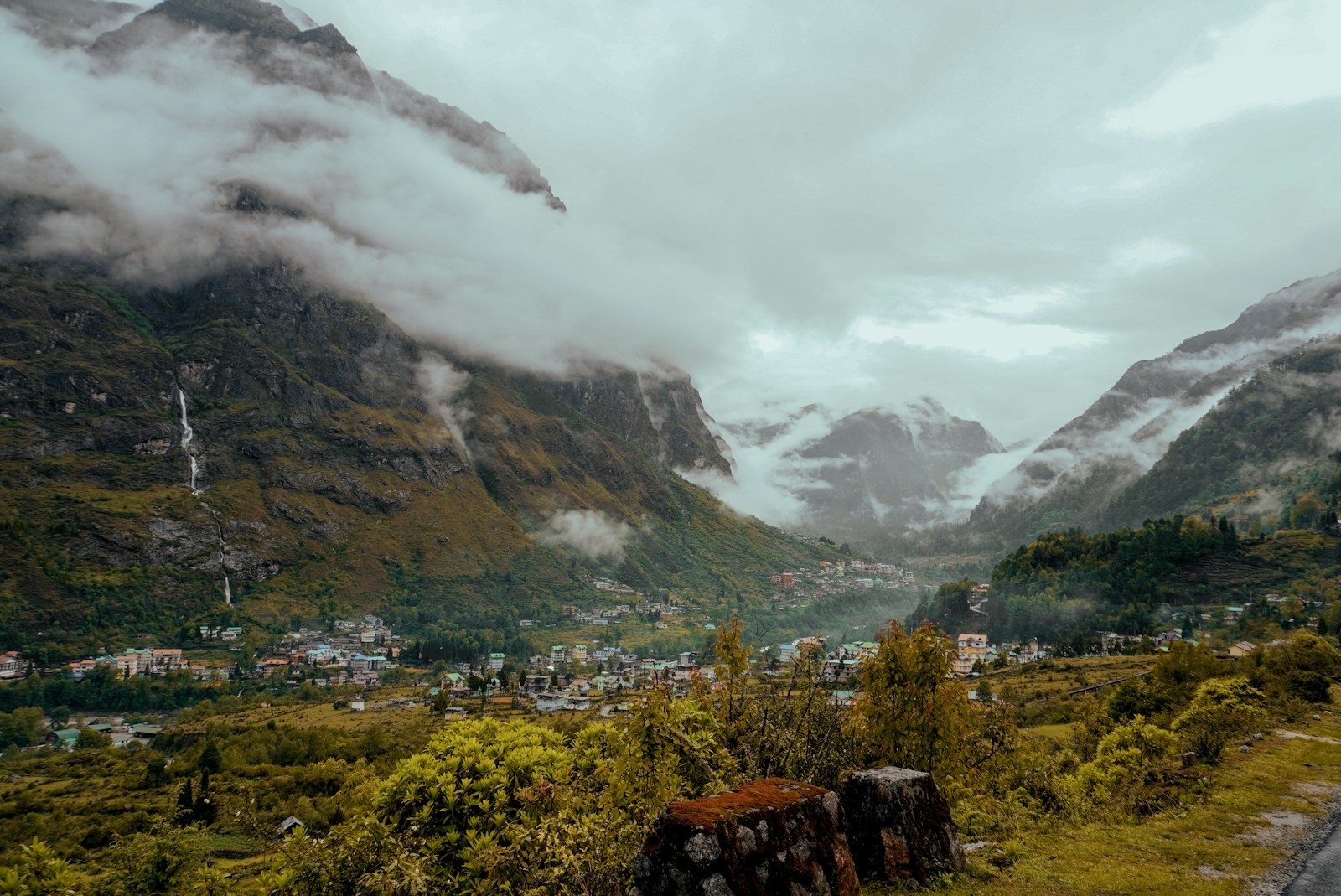
Sikkim: Himalayan paradise for nature, culture, and adventure seekers
(Sikkim – India)
Sikkim–Cultural Heritage
Sikkim is a compact Himalayan state known for snow‑clad peaks, alpine lakes, terraced valleys, Buddhist monasteries, and rich ethnic traditions across Lepcha, Bhutia, and Nepali communities, making it one of India’s most distinctive mountain destinations for immersive travel experiences. Travelers search for Sikkim tourism, Sikkim trip, best places in Sikkim, Gangtok tour, and Sikkim packages to explore culture, nature, and adventure in a clean, well‑managed environment that prioritizes sustainability and responsible travel. The state’s tourism department highlights permits, official resources, and on‑ground support, helping visitors plan trips aligned with local rules and ecological norms while discovering monasteries, festivals, and scenic drives. Families appreciate well‑connected routes and safety infrastructure, couples love tranquil vistas and boutique stays, backpackers chase offbeat homestays and treks, and adventure seekers pursue high‑altitude roads and outdoor activities with seasonal guidance from official portals. From cultural events like Pang Lhabsol to serene monastery circuits, Sikkim offers a balanced mix of sightseeing, slow travel, and cultural immersion, making it ideal for both short getaways and extended Himalayan journeys across the year with smart planning for weather and permits.
How To Reach Sikkim
By Air: The most reliable gateway is Bagdogra Airport (IXB) in West Bengal; drive to Gangtok takes about 4–5 hours depending on traffic and weather; Pakyong Airport (PYG) near Gangtok operates intermittently, so travelers commonly prefer IXB for connectivity and frequency.
By Train: No railway station inside Sikkim; nearest major railhead is New Jalpaiguri (NJP) near Siliguri, about 125 km from Gangtok; onward travel to Sikkim by shared cab, taxi, or bus takes roughly 4–5 hours in normal conditions.
By Road/Bus: From Siliguri Tenzing Norgay Bus Terminus to Gangtok’s Deorali stand, scheduled services and shared vehicles operate daily; typical road time ranges 4–6 hours depending on season and landslide status.
Local Safety & Transport Tips: Use registered taxis and shared jeeps; check weather and road advisories during monsoon and winter; verify permit needs for certain areas at official counters before travel; keep buffer time for hill traffic.
Tourist Attractions In Sikkim
Gangtok city sightseeing: MG Marg, viewpoints, and urban monastery ambiance for easy first‑day acclimatization and shopping; a must‑visit base for Sikkim trips.
Tsomgo (Changu) Lake: High‑altitude glacial lake with seasonal snow, scenic rides, and popular sightseeing near Gangtok; permits required for this corridor.
Nathula Pass: Historic high pass on the Indo‑China border; a top bucket‑list attraction with controlled visitor access and permits, often weather‑dependent.
Rumtek Monastery: One of Sikkim’s most significant monasteries and a major spiritual center; essential stop on monastery circuits and culture tours.
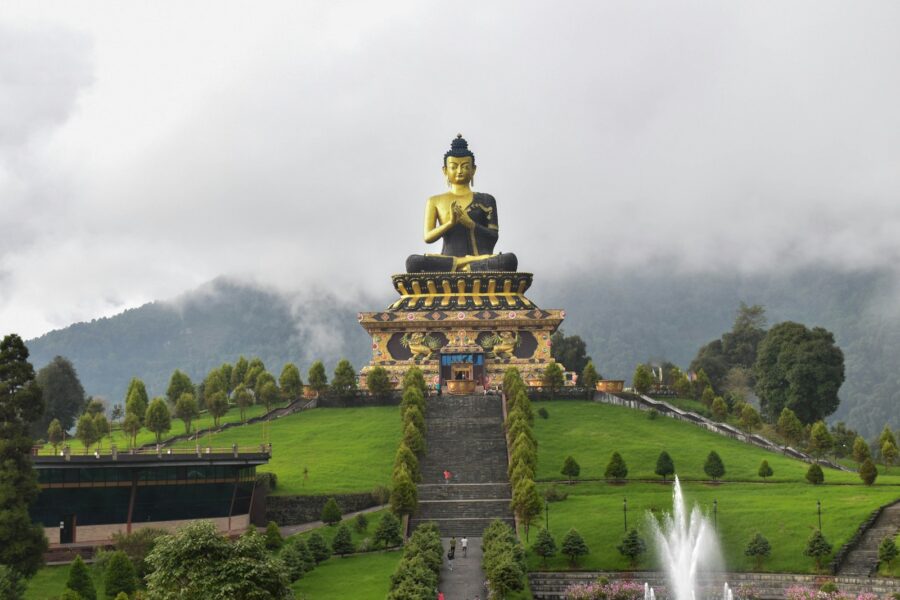
Ravangla & Buddha Park: Serene viewpoints and spiritual ambiance with panoramic Himalayan vistas, ideal for slow travel and photography.
Namchi & Char Dham: Pilgrimage complex and scenic hill town, popular for family sightseeing and cultural travel.
Pelling: Gateway to Kanchenjunga views, skywalk, and monasteries; a classic destination for mountain photography and relaxed stays.
Yuksom: Historic trailhead and heritage village ambience; good for light treks and culture.
Lachung & Yumthang Valley: Famous for spring blooms and valley views; a signature route in North Sikkim itineraries with seasonal access.
Lachen & Gurudongmar Lake: High‑altitude excursion known for dramatic landscapes; plan cautiously for altitude and weather.
Note: Use external links such as Rumtek Monastery (Wikipedia) and others with target=”_blank” when adding to the website CMS for SEO‑friendly outbound linking.
Things To Do In Sikkim
Sightseeing in Gangtok, Pelling, Namchi, Ravangla, and heritage villages for must‑visit places and culture trails.
Monastery circuits including Rumtek and other gompas for spiritual experiences and photo stops.
Scenic lake and high‑pass drives to Tsomgo Lake and Nathula for iconic mountain vistas with permits.
North Sikkim excursions to Lachung, Lachen, Yumthang, and Gurudongmar for alpine valleys and high‑altitude landscapes.
Short hikes and soft treks near Yuksom and Ravangla for nature walks and birding.
Local food discovery at MG Marg and town markets for momos, thukpa, and regional specialties.
Best Time To Travel
Spring (March–May): Pleasant climate, rhododendron blooms, and clear morning views; ideal for photography and family travel; shoulder‑to‑peak transition, so plan early bookings.
Summer (June): Cooler hill weather vs plains, but early monsoon showers may start; carry rain protection and buffer time for road conditions; fewer crowds early in the season.
Monsoon (July–September): Lush landscapes and fewer tourists, but landslides and road blocks possible; travel with caution and flexible plans; Pang Lhabsol falls late Aug/early Sep some years, enhancing cultural appeal.
Autumn (October–November): Arguably the best season with stable weather, festival time, and great visibility; peak tourism—book stays and transport in advance.
Winter (December–February): Crisp skies, possible snowfall at higher altitudes, and lower hotel rates; some high routes may close due to weather—check advisories.
Events & Precautions
Major Festivals: Pang Lhabsol honors Mount Khangchendzonga with masked dances and unique rituals in late Aug/early Sep; other notable events include Losoong, Losar, and Buddhist observances seasonally across the state.
2024–2025 References: Cultural calendars list prominent observances like Lhabab Düchen and statewide public holidays including Pang Lhabsol; check dates each year as per lunar calendars and notifications.
Precautions: During festivals and peak season, secure permits and transport in advance, keep ID handy, and follow crowd and monastery etiquette; during monsoon and winter, monitor official advisories for road and pass status.
Useful Travel Tips
Transport: Prefer Bagdogra + NJP gateways for reliability; pre‑book shared jeeps or taxis, and confirm return transfers during peak season for a smooth trip.
Currency & Payments: ATMs available in major towns; carry cash for remote areas and shared jeeps where UPI/card acceptance may be limited.
Accommodation: Choose registered hotels and homestays; verify heating in winter and early check‑ins for overnight arrivals.
Internet & SIM: Connectivity is better in Gangtok, Pelling, Namchi; remote valleys can be patchy—download maps offline and share itineraries with contacts.
Language & Customs: Respect monastery rules, dress modestly, remove shoes where required, and ask before photographing people or rituals for responsible travel.
Sustainable Travel: Minimize single‑use plastic, stick to marked trails, and support local guides and community‑run experiences to reduce impact.
Health & Wellness: High‑altitude trips (e.g., Gurudongmar) require gradual ascent, hydration, and avoiding heavy exertion; consult local operators on fitness and weather.
Packing Essentials: Layers, rain gear in monsoon, warm clothing in winter, sturdy shoes, and government ID for permits and hotel check‑ins are musts.
Connectivity & Communication: Save district helplines and set emergency contacts on the phone; keep power banks for long drives and outages.
Local Etiquette: Queue at permit counters, keep noise low at monasteries, and avoid littering to align with Sikkim’s cleanliness ethos.
Shopping & Souvenirs: Look for local handicrafts and organic products at recognized outlets and government‑linked centers for authentic purchases.
Things Not To Do / Avoid
Do not attempt restricted areas without proper permits; comply with security checks and timings on high‑altitude routes.
Avoid risky travel during heavy monsoon landslides or winter blizzards; always verify road and pass advisories before departures.
Do not litter, disturb wildlife, or play loud music in serene monastery and nature zones; respect local norms and eco‑rules.
Things To Remember
Essential Packing: Layered clothing, rain protection, non‑slip footwear, daypack, personal medicines, and photocopies of ID and permits.
Health & Safety: Acclimatize gradually for North Sikkim altitudes, monitor symptoms, keep warm, and avoid alcohol at height; follow local guidance.
Emergency & Help: Save key helplines—Police 100, Fire 102, Ambulance 103; Gangtok district helpline portal lists numbers for quick escalation and assistance.
Suggested Itinerary
3-Day Itinerary
Day 1: Arrival at Bagdogra/NJP to Gangtok; evening MG Marg walk and local food tasting.
Day 2: Tsomgo Lake and Baba Mandir excursion; optional ropeway; return to Gangtok for monastery visit and market shopping.
Day 3: Half‑day Gangtok sightseeing; depart to Bagdogra/NJP with buffer for hill traffic.
5-Day Itinerary
Day 1: Arrival Gangtok; local viewpoints and monastery circuit for light acclimatization.
Day 2: Tsomgo Lake and Nathula Pass (permit/weather‑dependent); evening leisure.
Day 3: Transfer to Pelling; stop at scenic viewpoints; evening at leisure with Kanchenjunga views.
Day 4: Pelling sightseeing and skywalk; return to hotel or optional Namchi visit time‑permitting.
Day 5: Drive to Bagdogra/NJP for departure with ample buffer.
7-Day Itinerary
Day 1: Arrival Gangtok; easy city walk and rest.
Day 2: Tsomgo Lake and Baba Mandir; optional Nathula with permit.
Day 3: Gangtok to Lachung; gradual ascent with scenic halts.
Day 4: Yumthang Valley excursion; optional Zero Point if open; return to Lachung.
Day 5: Lachung to Gangtok; evening free for shopping and cafes.
Day 6: Gangtok to Pelling; monastery and skywalk visit.
Day 7: Pelling to Bagdogra/NJP departure; keep contingency for mountain roads.
Nearby Destinations For Extended Trip
Darjeeling (85 km/53 mi from Gangtok): Heritage hill town with tea gardens and colonial charm; reach by road via Siliguri corridor in 3–4 hours; start early to avoid traffic near hill sections.
Kalimpong (75 km/47 mi from Gangtok): Quiet ridgeline town with viewpoints and markets; 3–4 hours by road; ideal for slow travel breaks.
Kurseong (95 km/59 mi from Gangtok): Tea slopes and misty weather; about 4–5 hours by road via Siliguri; pair with Darjeeling circuit.
Mirik (110 km/68 mi from Gangtok): Lake town near the Indo‑Nepal border; 4–5 hours drive; scenic lunch halt en route to plains.
Jaldapara (160 km/99 mi from Gangtok): Wildlife sanctuary in Dooars; 5–6 hours by road; plan season‑wise safari slots in advance.
Trip Extension Tips: Combine one Sikkim circuit (Gangtok/Pelling or North Sikkim) with one Dooars or Darjeeling extension; schedule rest days and keep a buffer for weather in monsoon and winter windows.
Must Try – For Foodies
Note: Independent eateries listed are in Sikkim; verify timings seasonally and expect cash preference at smaller venues.
Indian Veg
Taste of Tibet, MG Marg, Gangtok — Popular veg momos and thukpa; strong local reviews across traveler platforms; approx ₹200–₹400 per person.
Roll House, MG Marg, Gangtok — Veg rolls and quick bites; widely recommended by city guides; approx ₹150–₹300 per person.
Apna Dhaba, Gangtok — North Indian veg meals; steady family crowd; approx ₹250–₹450 per person.
Indian Non‑Veg
Nimtho, MG Marg, Gangtok — Nepali/Sikkimese thali with non‑veg options; consistent ratings among city diners; approx ₹350–₹600 per person.
The Local Café, Gangtok — Regional plates and snacks; traveler‑friendly picks; approx ₹300–₹600 per person.
Mu Kimchi, Gangtok — Indian‑Korean fusion with non‑veg dishes; popular with young travelers; approx ₹400–₹700 per person.
Local Cuisine
Nine Native Cuisine, Gangtok — Sikkimese specialties like gundruk and kinema; praised for authenticity; approx ₹400–₹800 per person.
Baker’s Café, MG Marg, Gangtok — Local favorite for bakes and coffee with regional snacks; approx ₹250–₹500 per person.
Thakali Kitchen, Gangtok — Nepali thali and homestyle dishes; traveler‑recommended; approx ₹350–₹700 per person.
Other International Cuisines
The Square, Gangtok — Multi‑cuisine cafe plates and continental choices; consistent footfall; approx ₹400–₹800 per person.
Café Live & Loud, Gangtok — Continental bites and music vibe; popular nightlife pick; approx ₹400–₹900 per person.
The Coffee Shop (local cafés), Gangtok — Espresso and light eats around MG Marg; approx ₹200–₹500 per person.
Additional Information
Help & Official Resources: Sikkim Tourism official portal provides travel info, permits guidance, and contact points; also see state tourism department page for general info and compliance.
Emergency Contacts: Gangtok district helplines—Police (100), Fire & Rescue (101), Ambulance (108) or one Unified No. (112)
Tourist Information: 1800-11-1363
Frequently Asked Questions
Yes, an Inner Line Permit (ILP) is required for foreigners, obtainable at Indian Missions and designated Sikkim Tourism offices; additional protected area permits may be needed for specific zones.
Pakyong operates seasonally and can be weather‑affected; Bagdogra remains the most reliable air gateway for Sikkim travel planning.
New Jalpaiguri (NJP) near Siliguri is the closest major railhead, about 125 km from Gangtok, commonly used by travelers.
Typically 4–5 hours depending on weather and traffic; keep extra buffer during monsoon and winter.
Yes, these corridors require permits and are subject to weather and security advisories; arrange through registered operators or counters.
It is observed around late August to early September, honoring Mount Khangchendzonga with distinctive rituals and dances.
Autumn (Oct–Nov) and spring (Mar–May) offer stable weather and views; plan ahead for peak demand during these periods.
Use the Sikkim Tourism official portal and the state tourism department pages for permits, advisories, and contacts.
Carry reusable bottles, avoid littering, respect monastery customs, and book community‑based stays and local guides to minimize impact.
Yes, during major holidays like Pang Lhabsol and Dasain, expect crowds and limited availability; check current year’s holiday list before planning.
Need Assistance?
For any questions about Attraction bookings, please reach out to us via WhatsApp or call.



 5N/6D
5N/6D 4.8 (Excellent)