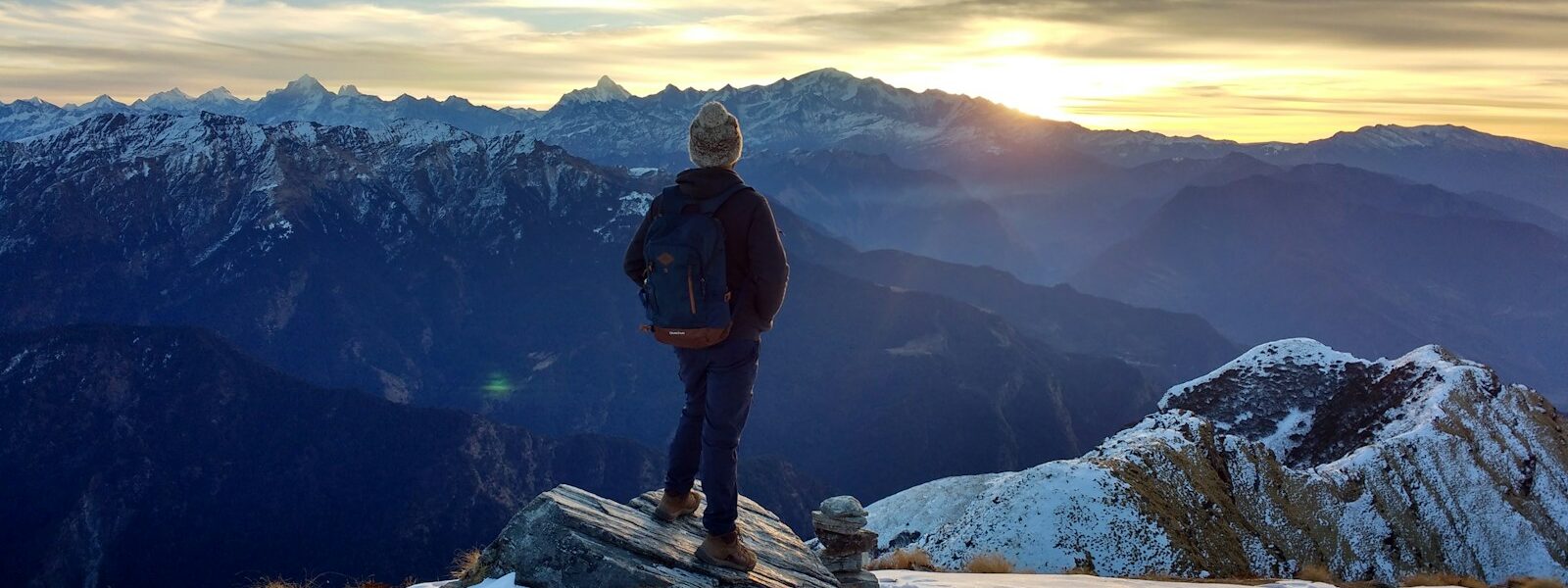
Chopta is a picturesque hamlet and trekking hub in the Rudraprayag district of Uttarakhand, often dubbed the “Mini Switzerland of India” for its emerald meadows, lush forests, and sweeping Himalayan backdrops. Perched at around 2,680 m (8,790 ft), it lies within the Kedarnath Wildlife Sanctuary, teeming with flora and fauna including pine, deodar, rhododendron, and a variety of Himalayan birds.
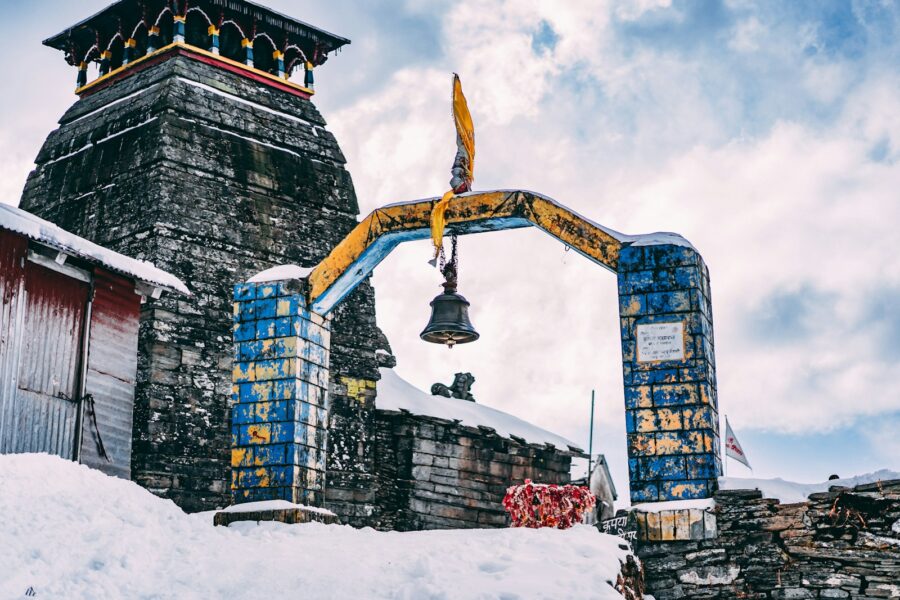
Chopta is best known as the base camp for the Tungnath–Chandrashila trek, which leads to the highest Shiva temple in the world and a high alpine summit. Beyond trekking, Chopta appeals to nature lovers, birdwatchers, photographers, and spiritual seekers, offering quiet meadows (bugyals), forest trails, camping under starlit skies, and panoramic views of peaks such as Nanda Devi, Chaukhamba, and Trishul.
Because Chopta is less commercialized than many hill stations, it is ideal for travelers looking for offbeat Himalayan charm. Families, couples, solo trekkers, and adventure seekers all find appeal here—with the comforts of basic lodging and the thrill of altitude treks and wilderness immersion.
How To Reach Chopta
By Air: The nearest airport is Jolly Grant Airport (Dehradun), about ~226 km away. From the airport, take a taxi or shared cab to reach Chopta via road (5–7 hours depending on stops and road condition).
By Train / Rail: The closest major railhead is Rishikesh (~162 km from Chopta) and Haridwar is also used by some travelers. From there, proceed by road.
By Road / Bus / Car: Chopta lies en route between Gopeshwar and Guptkashi, connected by motorable roads via Rudraprayag, Ukhimath, and Kund. Private taxis and shared jeeps ply the route. The last stretch to Chopta is a hill road – narrow, winding, and sometimes rough in winter or monsoon.
Tips / Local Transportation Safety
Always check weather and road conditions (landslides, snow, road closures) before departure.
Avoid traveling after dusk in mountainous stretches.
Use local experienced drivers for the final leg.
Carry extra warm clothing, fuel, and essentials because remote stretches may lack amenities.
Tourist Attractions in Chopta
Here are some must-visit places & sightseeing spots in and around Chopta:
Tungnath Temple — highest Shiva temple in the world (~3.5 km trek from Chopta).
Here’s a list of top activities, experiences & things to do in Chopta:
Trek from Chopta → Tungnath → Chandrashila (4–5 hours)
Camping overnight in bugyals under the starry Himalayan sky
Nature walks and forest trails in oak, deodar & rhododendron woods
Birdwatching – spot Himalayan Monal, woodpeckers, and other alpine species
Photography of sunrise, snow peaks, meadows, and forests
Visit Deoria Tal and enjoy mirror-like reflections of surrounding peaks
Sunrise at Chandrashila or the meadows
Meditative / spiritual time near Tungnath temple
Relaxing in the meadows, reading, sketching, or simply soaking in silence
Observe local flora and fauna within Kedarnath Wildlife Sanctuary
Best Time To Travel
Ideal Seasons: April to June (spring to early summer) — clear skies, pleasant weather, good for trekking.
Post-Monsoon / Autumn: September to November — fresh landscapes, crisp skies, fewer clouds.
Winter: December to February — heavy snowfall, cold, some routes may be blocked; for experienced trekkers only.
Monsoon: July to September — lush greenery but risk of landslides, trail slipperiness, unpredictable rainfall.
Comparison:
Summer and autumn offer the best balance for trekking, visibility, and safety.
Winter is magical but challenging; roads and paths may close.
Monsoon is risky for trails but the scenery is lush and green—only attempt if you are experienced and flexible.
Events & Precautions
Events / Festivals
Chopta, being more nature and trek-oriented, doesn’t host large festivals like valley towns, but local temple days (Tungnath festival) see pilgrim traffic.
Some small, seasonal local rituals or pujas may be observed at Chandrashila or Tungnath.
Precautions
In monsoon, watch out for landslides and roadblocks.
In winter, snow and ice can block roads; check local advisories before leaving.
The steep climb from Chopta to Tungnath/Chandrashila can be tiring—acclimatize and carry water.
Trail conditions may deteriorate post rains—wear appropriate footwear and gear.
Respect wildlife and the protected sanctuary area—do not litter or disturb flora/fauna.
Carry sufficient layers, especially for dawn/dusk cold spells.
Useful Travel Tips
Transport & Local Guide: For treks beyond basic trails, hire local guides—especially in winter or monsoon.
Currency & Payments: INR (Indian Rupee). Card/UPI works in main towns, but remote areas may require cash.
Accommodation: Basic guesthouses, trekking huts, camping options. Book in advance during peak season.
Internet / Connectivity: Network coverage in Chopta is limited; better in lower villages. Use offline maps.
Language: Hindi, Garhwali dialect; some English in lodging/trekking services.
Sustainable Travel & Responsible Tourism: Use reusable water bottles, avoid plastic waste, follow marked trails, respect nature.
Trip extension tip: Use Chopta as a base to wander deeper into Himalayan shrines, meadow circuits, sanctuary treks, and forested pilgrimage routes in the Garhwal region.
Must Try — For Foodies
Indian Veg / Local Cuisine
Snow View Restaurant — local and Indian dishes in Chopta (seasonal) (~₹200–₹600).
Mayadeep Guesthouse Kitchen / Local Lodges — simple Uttarakhand homely fare (INR modest).
Trail-side eateries / dhabas on the Chopta-Trek trail — basic vegetarian meals and snacks.
Non-Veg / Mixed
Options may be limited; check with lodges before ordering non-veg, especially during pilgrim seasons
Cafés / Light Bites / International Options
Most food is local / simple; few cafés in Chopta itself, but some guesthouses may run small café services
For snacks, carry energy bars, dry fruits, and instant mixes
Local / Traditional Dishes Worth Trying
Aloo ke Gutke — spiced potatoes, Garhwali specialty
Bhatt Ki Churkani — black gram dish, Uttarakhand flavor
Gahat (Kulath) ki Dal — local pigeon pea preparation
Bal Mithai (from lower towns / en route) — Kumaoni sweet you may find on journey
Emergency numbers: Police (100), Fire & Rescue (101), Ambulance (108) or one Unified No. (112)
Tourist Helpline: 1800-11-1363
Frequently Asked Questions
Yes — the Chopta → Tungnath → Chandrashila route is moderate and doable by fit beginners with rest breaks.
Roughly 4–5 hours one way (Chopta → Tungnath → Chandrashila) with steep segments.
Generally, no formal permit is required for the Tungnath/Chandrashila trek, but check for seasonal restrictions or sanctuary rules in Kedarnath Wildlife Sanctuary.
Yes — but roads may be blocked by snow and some lodgings may close; attempt only if prepared for cold and snow.
Species such as Himalayan Monal, musk deer, pheasants, forest birds, and small mammals are found in the Kedarnath Wildlife Sanctuary area.
Connectivity is patchy; network and internet work in lower zones, but forest and summit areas may go off-grid.
3 days is sufficient for the trek and local sights; 5–7 days allows side treks (Deoria Tal, bugyals, deeper circuits).
Yes — camps are allowed in designated meadows (bugyals) and trekking routes; follow local regulations and avoid sensitive zones.
Avoid heavy monsoon months (June to September) due to landslides and slippery trails.
Yes — Chopta connects naturally to Gopeshwar, Ukhimath, Kedarnath circuits, Kalimath, and Jageshwar zones for extended Himalayan trips.
Need Assistance?
For any questions about Attraction bookings, please reach out to us via WhatsApp or call.