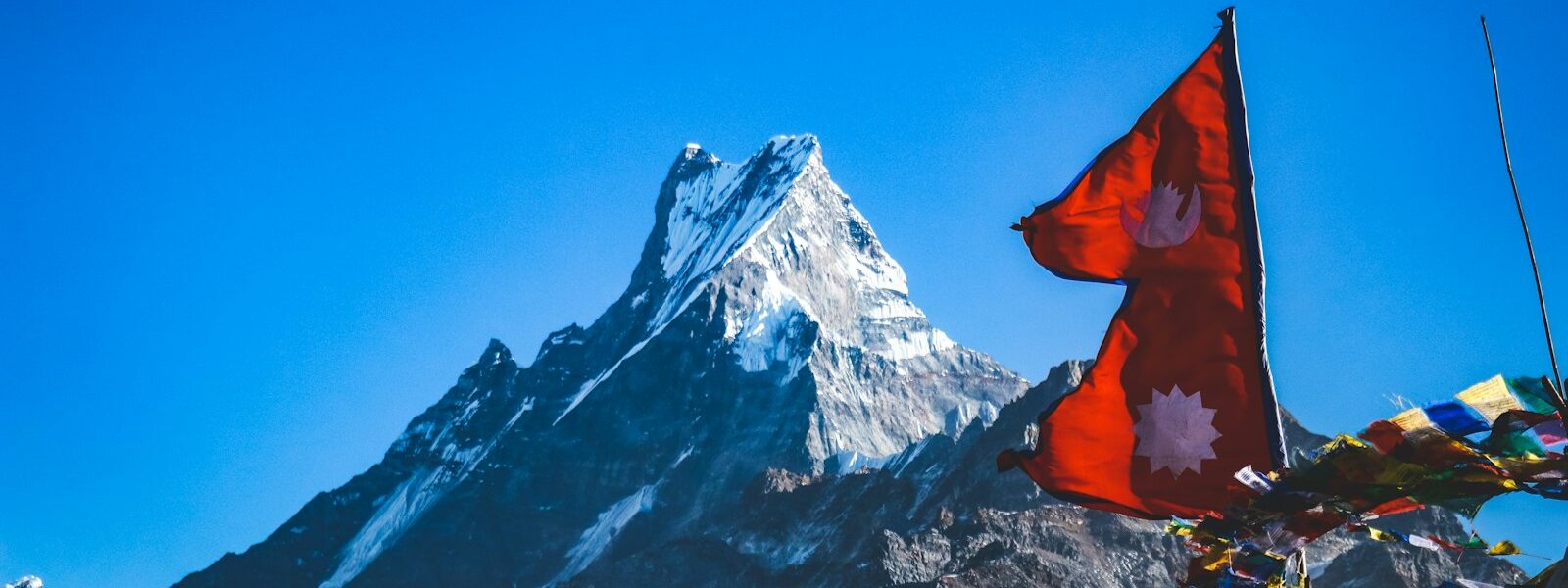
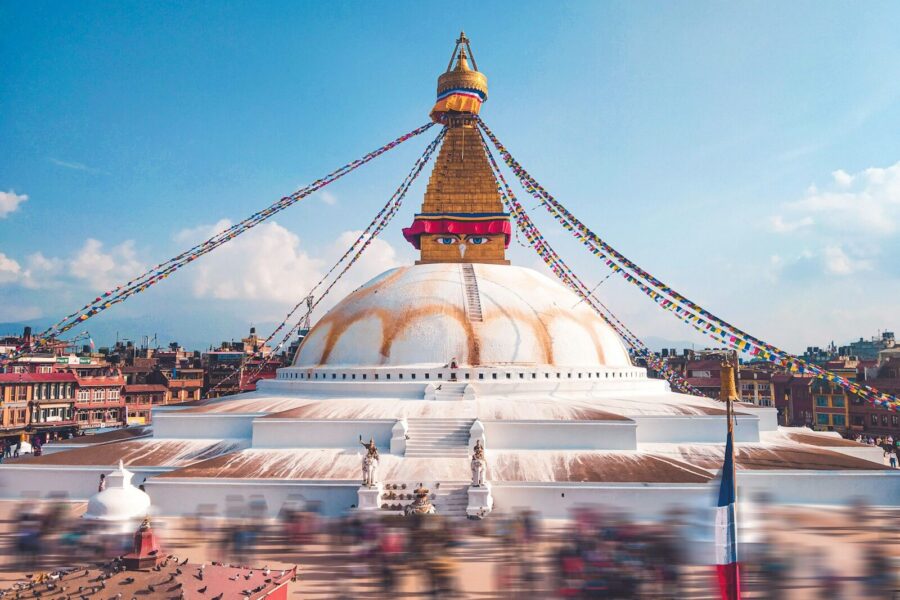
Nestled between India and China, Nepal is a land of soaring Himalayan peaks, ancient temples, lush jungles, and spiritual depth. It is home to eight of the world’s fourteen 8,000-metre peaks including Mount Everest, making it a premier destination for trekking, mountaineering, and Himalayan exploration. Beyond the mountains, Nepal’s Kathmandu Valley hides UNESCO heritage sites, sacred stupas, medieval palaces and a living cultural tapestry of Newar, Gurung, Sherpa, Tamang and many other ethnic groups.
Nepal’s history stretches back to ancient kingdoms, Buddhist and Hindu influences, and a legacy of royal dynasties. Today, tourism is a major draw, with popular search keywords like “Nepal trekking,” “Everest Base Camp tour,” “Nepal budget travel,” and “Nepal visa for Indians” often leading travellers here. The country is special because it offers profound contrasts: spiritual pilgrimage and adventure trails, remote wilderness and community homestays, jungle safaris and mountain vistas, all within a relatively compact geography.
Indian tourists often favour Nepal because of visa flexibility (many can enter with simpler permits at land borders or via visa on arrival), cultural affinity, easier travel logistics, and cost advantages. Families can enjoy sightseeing and moderate treks, couples can find romantic sunrise views over the Himalaya, backpackers can tackle classic treks (Annapurna, Langtang, Gosaikunda), and adventure seekers can attempt peak climbs, high passes or remote trekking into Mustang, Dolpo or Manaslu. With deep spiritual resonance, friendly locals, relatively low cost and high impact experiences, Nepal remains a perennial favorite in South Asia.
How To Reach Nepal
By Air: From Indian cities like Delhi, Kolkata, Mumbai or Bangalore, you can fly directly to Kathmandu’s Tribhuvan International Airport (approx. 2–4 hours depending on city). Some routes may have a layover depending on airline.
By Land / Road / Border Crossings: – From India, there are major land crossings: Sunauli (Uttar Pradesh ↔ Nepal), Raxaul / Birgunj (Bihar ↔ Nepal), Kakarbhitta (West Bengal ↔ Eastern Nepal). Buses run from Indian border towns or major cities to Kathmandu or Pokhara.
– Travel time varies: e.g., Sunauli → Kathmandu by road ~8–10 hours (depending on road and traffic).
Local Transport Tips: Use reliable tourist buses or private vehicles for long road journeys. In hilly terrain, roads may be narrow and conditions variable; always allow extra time, avoid night driving in remote areas, and verify driver credentials.
Tourist Attractions In Nepal
Here are some of Nepal’s best attractions, must-visit places and top sightseeing spots:
Kathmandu Valley (Pashupatinath, Boudhanath, Swayambhunath, Durbar Squares) — cultural and religious core of Nepal.
Pokhara & Phewa Lake — lakeside town with mountain views, relaxing vibe and gateway to region treks.
Chitwan National Park — subtropical jungle with rhinos, tigers, elephants and birdlife.
Everest Region / Sagarmatha National Park — Everest Base Camp route, Namche Bazaar, high Himalayan vistas.
Annapurna Base Camp / Annapurna Circuit — world-famous trekking region with diverse terrain & mountain culture.
Langtang Valley / Langtang National Park — nearer to Kathmandu, good for moderate treks.
Bandipur — charming hill town with preserved Newari architecture and quiet ambiance.
Jhor Waterfall (near Kathmandu) — waterfall and nature escape near the city.
Bat Cave (Pokhara) — limestone cave popular in Pokhara for exploration.
Popular Places to Visit in Nepal
– Kathmandu Valley Region (Central Nepal)
Best for culture, temples, and city sightseeing
Kathmandu – The capital city filled with ancient temples, bustling markets, and UNESCO World Heritage Sites like Swayambhunath Stupa (Monkey Temple), Pashupatinath Temple, Boudhanath Stupa, and Durbar Square.
Patan (Lalitpur) – Known for Patan Durbar Square, Newari architecture, and fine arts.
Bhaktapur – A medieval city with well-preserved temples, Nyatapola Temple, and traditional pottery squares.
Nagarkot – Famous for Himalayan sunrise views, especially Mount Everest on clear days.
Chandragiri Hills – Offers panoramic cable car rides and breathtaking city views.
– Pokhara Region (Western Nepal)
Best for lakes, mountain views, and adventure
Pokhara – A scenic city by Phewa Lake, gateway to the Annapurna Range; enjoy boating, paragliding, and cave exploration.
Sarangkot – The most popular sunrise viewpoint for the Himalayas.
Begnas Lake – A quieter alternative to Phewa Lake, great for peace seekers.
World Peace Pagoda – A serene stupa offering panoramic views of Pokhara Valley.
Devi’s Fall (Patale Chhango) – A unique underground waterfall.
– Chitwan Region (South-Central Nepal)
Best for wildlife and jungle adventures
Chitwan National Park – A UNESCO World Heritage Site famous for jungle safaris, one-horned rhinoceros, Bengal tigers, and elephant rides.
Sauraha Village – The main tourist base for Chitwan National Park with cultural Tharu dance performances and eco-lodges.
– Lumbini Region (South-Western Nepal)
Best for history, spirituality, and Buddhist pilgrimage
Lumbini – The birthplace of Lord Buddha, with sacred monasteries, the Maya Devi Temple, and the Ashokan Pillar.
Tilaurakot – Archaeological ruins believed to be the ancient palace of Siddhartha Gautama before enlightenment.
– Everest Region (Eastern Nepal)
Best for trekking and mountain adventure
Sagarmatha National Park – Home to Mount Everest (8,848m), offering iconic trekking routes.
Namche Bazaar – A vibrant mountain town and acclimatization stop for trekkers.
Tengboche Monastery – A serene monastery with panoramic views of Everest.
Lukla – The starting point for most Everest treks with one of the world’s most thrilling airports.
– Annapurna Region (Western Himalayas)
Best for scenic trekking and cultural experiences
Annapurna Circuit Trek – World-renowned route through diverse landscapes and ethnic villages.
Jomsom & Muktinath – A sacred pilgrimage site for both Hindus and Buddhists.
Manang Valley – Known for dramatic mountain views and Tibetan-influenced culture.
– Eastern Nepal
Best for lesser-explored trails and natural beauty
Ilam – The tea capital of Nepal, known for lush green hills and scenic tea gardens.
Pathibhara Devi Temple – A major pilgrimage destination for Hindus and Buddhists.
Taplejung – Gateway to Kanchenjunga Conservation Area, home to pristine trekking routes.
– Far-Western Nepal
Best for offbeat adventure and untouched nature
Rara Lake (Mugu) – Nepal’s largest and most beautiful lake, ideal for solitude and nature lovers.
Khaptad National Park – Known for its scenic meadows, rhododendron forests, and spiritual significance.
Api Nampa Conservation Area – A hidden gem for trekkers seeking untouched Himalayan beauty.
Sunrise at Sarangkot (Pokhara) or Nagarkot (Kathmandu area)
Helicopter tour to Everest or surrounding high peaks
Explore Kathmandu Valley’s heritage sites and UNESCO temples
Homestays in villages for cultural immersion
Mountain biking in Annapurna foothills
Visit monasteries, attend Buddhist / Hindu rituals
Wildlife and bird-watching in national parks
Drive / motorbike scenic Himalayan passes
Visit remote regions: Mustang, Dolpa, Rara Lake
Best Time To Travel
Spring (March to May): One of the best seasons — blossoming rhododendrons, clear skies.
Autumn (September to November): Peak season — stable weather, clear mountain views.
Winter (December to February): Cold at high altitude but lowland areas moderate; good for lower treks and fewer crowds.
Monsoon / Rainy (June to August): Heavy rain, landslides risk — many trails close or become difficult.
Comparison and guide: Spring & autumn = ideal balance; winter good for off-peak travel; monsoon best avoided for trekking but possible in lower hills.
Events & Precautions
Major Festivals / Cultural Events:
• Dashain (autumn) — biggest Hindu festival across Nepal.
• Tihar / Deepawali (autumn) — festival of lights.
• Losar (Tibetan/Newar New Year) in Himalayan and Tibetan communities.
• Buddha Jayanti — birth of Buddha, celebrated at Lumbini and stupas.
Precautions:
• During festivals, transport and lodging fill early — book in advance.
• Be cautious of altitude sickness on high treks — acclimatize gradually.
• In monsoon season, landslide risk — avoid remote or unstable roads.
• In jungle / national parks, follow guide instructions about wildlife, keep distance, avoid going out at night.
• In temples and sacred sites, follow dress codes, remove shoes where needed.
Useful Travel Tips
Transport & Budget Travel Tips: Use tourist buses, local buses, shared jeeps, book in advance for key routes.
Currency & Money: Nepali Rupee (NPR). ATMs in cities, carry cash in remote areas.
Accommodation: Range from hostels, guesthouses, tea houses in trekking routes, to luxury lodges in cities and resorts.
Connectivity & Communication: Tourist SIM cards (Nepal Telecom, Ncell) for data; WiFi generally available in towns; mountain areas more limited.
Local Etiquette & Cultural Norms: Greet with “Namaste”; remove shoes in temples; don’t point feet at shrines; ask permission before taking photos of people.
Sustainable Travel: Use local guides, avoid single-use plastics, stay on trails, respect local communities, support homestays.
Health & Wellness: Drink boiled or filtered water; carry altitude sickness medicine; be updated on vaccinations (typhoid, hepatitis, etc.).
Packing Essentials: Layered clothing, waterproof jacket, sturdy trekking boots, sun protection, first aid, power bank, headlamp.
Don’t hike too quickly — acclimatization is key in high altitude.
Avoid unsupported trekking in remote regions without guide or permit.
Do not litter or damage fragile mountain scenery or ruins.
Avoid disrespecting local religious customs (dress modestly, no touching idols).
Don’t drink untreated water, especially in remote or mountain areas.
Avoid night travel in remote hilly roads — landslides, lack of lighting.
Do not photograph sensitive rituals or ceremonies without consent.
Things To Remember
Carry your passport, permits, trekking permits (TIMS / local) and travel insurance.
Health & safety: altitude awareness, basic first aid, insect repellent in lowlands.
Emergency numbers / apps:
– Nepal Police / Ambulance: 100 / 102
– Search & Rescue in mountains: local area offices; in Kathmandu, Tourist Police: 1422
– Embassy / High Commission contact for Indian travellers.
Inform people of your trekking route, keep copies of your itinerary and important documents.
Suggested Itinerary Options
3-Day Itinerary
Day 1: Arrival in Kathmandu → visit Kathmandu Durbar Square, Swayambhunath Stupa, Boudhanath Stupa
Day 2: Day trip to Patan & Bhaktapur Durbar Squares, Pashupatinath Temple → evening in Thamel
Day 3: Drive to Nagarkot for sunrise / panoramic Himalaya views → return and depart
5-Day Itinerary
Day 1: Arrival Kathmandu, local sightseeing (Temples, Durbar Square)
Day 2: Kathmandu → Pokhara (by flight or drive), lakeside evening
Day 3: Pokhara region: Sarangkot sunrise, Davis Falls, Gupteshwor Cave, lakeside walk
Day 4: Trek / day hike (e.g. to Australian Camp / Dhampus) or adventure activities (paragliding)
Day 5: Return to Kathmandu → shopping, cultural evening, depart
7-Day Itinerary
Day 1: Arrival Kathmandu & acclimatization, temples in Kathmandu
Day 2: Kathmandu → drive / flight to Pokhara
Day 3: Explore Pokhara & short hike (Australian Camp / World Peace Pagoda)
Day 4: Begin trek (e.g. Ghorepani / Poon Hill region)
Day 5: Continue trek / reach Poon Hill / return to Pokhara
Day 6: From Pokhara to Chitwan National Park → jungle safari
Day 7: Return to Kathmandu → final shopping / cultural evening → depart
Nearby Destinations For Extended Trip
(These are places in neighboring regions or adjacent but not included above)
Tibet (Lhasa / Shigatse) — high altitude Buddhist culture; by overland / Himalayan routes from northern Nepal border.
Darjeeling & Sikkim (India) — scenic hill towns near Nepal’s eastern border; accessible by road/train from Eastern Nepal.
Bhutan — Himalayan kingdom adjacent via eastern Nepal / Indian corridor — consider extended Himalayan circuit.
Varanasi, India — spiritual city reachable by road/train from Nepal–India border.
Rishikesh / Uttarakhand (India) — Himalayan gateway and yoga / adventure hub, fairly nearby across border.
Trip extension tips: Be careful with cross-border permits / visa rules; coordinate entry/exit; ensure road connectivity especially in hills; check seasonal road closures.
Must Try — For Foodies
Indian Vegetarian / Indian Cuisine
Momo stalls & vegetarian thali in Kathmandu (Thamel area) — popular local vegetarian options, affordable.
Krishnarpan (Kathmandu) — higher end Nepali / vegetarian cuisine experiences (includes vegetarian set meals).
Nepal Tea House restaurants offering fusion / international menus
Prices: modest in Nepal — local meals often NPR 200–800; nicer restaurants NPR 800–2000+ depending on city and menu.
Additional Information
Official Nepal Tourism Site: https://www.welcomenepal.com
Visa information: Indian nationals may enter (some border crossings allow free permit) but check latest rules; others can get visa on arrival (subject to updates).
Emergency & Embassy Contacts: Keep contact of Indian Embassy in Kathmandu, Nepal Police, Tourist Police, local rescue services.
Frequently Asked Questions
No — Indian citizens can enter Nepal with valid Indian ID / passport and don’t require a visa.
Nepali Rupee (NPR). Indian currency is also accepted in many border areas, but carry NPR for local use.
Generally yes — Nepal is safe for tourists if you follow standard precautions like avoiding remote night travel, staying aware in big cities.
They are moderately challenging — prior fitness, acclimatization, and reliable guides are essential.
Spring (March–May) and Autumn (September–November) are ideal for trekking with stable weather and clear skies.
Many treks require permits (e.g. TIMS, national park permits) and hiring guides/porters is strongly recommended for safety.
Costs vary — basic treks budget, mid-range lodges, flights — but Nepal is generally more affordable than Himalayan regions elsewhere.
Yes — telecom operators like Ncell / Nepal Telecom provide coverage in many trekking regions; WiFi is also common in guesthouses (sometimes paid).
Yes — altitude sickness is real; ascend slowly, hydrate, rest and consult doctors if symptoms appear.
Layers, waterproof gear, trekking boots, sun protection, first aid kit, power banks, and necessary medicines are essential.
Need Assistance?
For any questions about Attraction bookings, please reach out to us via WhatsApp or call.