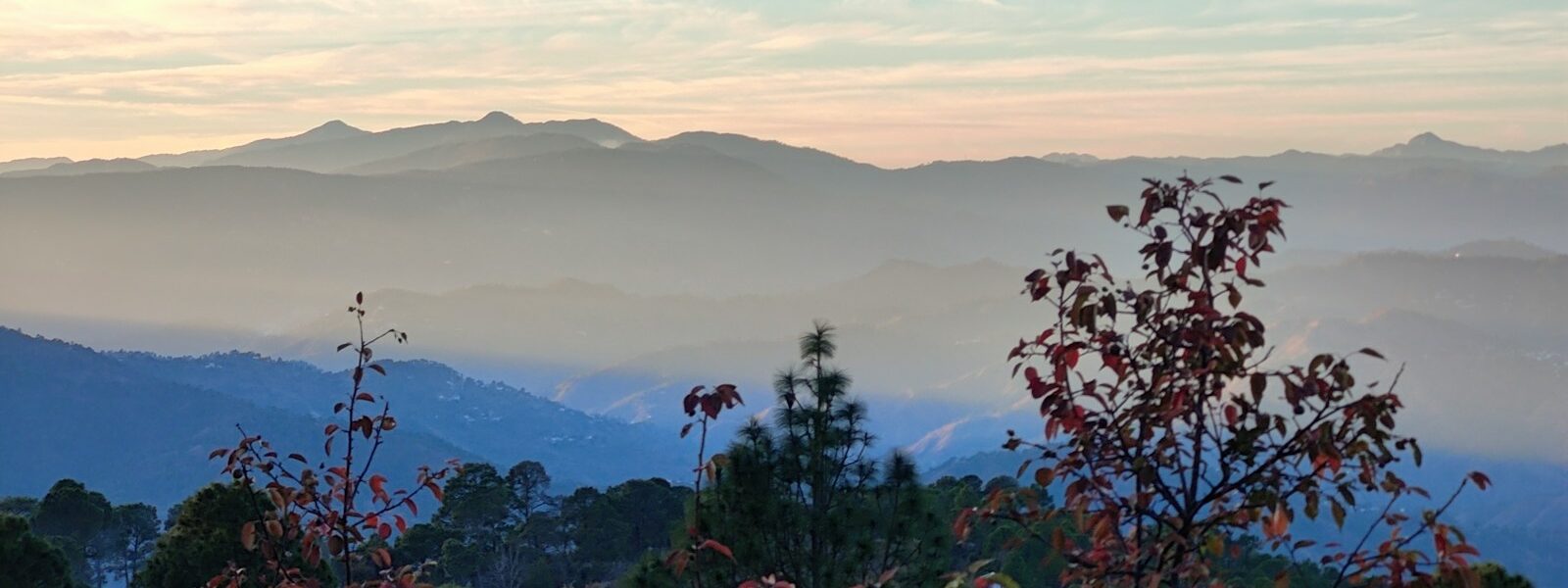
Ranikhet-Mountain panorama

Ranikhet, Uttarakhand, India

Cantonment charm, forest walks and Himalayan vistas.

Ranikhet: Quiet Hill Station In The Kumaon Hills

(Ranikhet – Uttarakhand, India)

Ranikhet-Mountain panorama

Ranikhet-Birdwatching

Perched at an altitude of approximately 1,869 m (6,132 ft) in Uttarakhand’s Almora district, Ranikhet is a serene hill station and cantonment town maintained by the Indian Army. The very name “Ranikhet” translates to “Queen’s Meadow” in Kumaoni, embodying its lush meadows, forested slopes, and sweeping Himalayan vistas.

This quiet town combines military legacy, colonial-era sensibilities, and natural charm. As home to the Kumaon Regiment Center, Ranikhet carries a disciplined yet peaceful air. Visitors are drawn to its forest walks, temples, panoramic viewpoints, apple orchards, and relaxed mountain ambiance.

Ranikhet is especially suited for families, couples, solo travelers, and those seeking respite from urban life. It offers gentle treks, temples, gardens, viewpoints, and a chance to absorb Kumaon culture and nature without strenuous exertion. With fewer crowds than many hill stations, it’s ideal for travelers who want quiet trails, forest solitude, and the simple pleasure of Himalayan mornings.

How To Reach Ranikhet

  • By Air: The nearest airport is Pantnagar Airport, about 75-100 km away via road. Travelers can take a taxi or shared cab from Pantnagar to reach Ranikhet.
  • By Train / Rail: The closest major railway station is Kathgodam, approximately 68 km from Ranikhet. From Kathgodam, road transport (taxi or bus) is available.
  • By Road / Bus / Car: Ranikhet is accessible via NH 109, which connects the Kumaon region, passing through Haldwani, Kathgodam, Almora, and onward to Ranikhet. Many state and private buses ply from Delhi, Haldwani, Kathgodam, Almora to Ranikhet. The road journey offers scenic views of hills and forests.

Tips / Local Safety

  • Mountain roads can be narrow and winding; travel slow, especially in fog or rain.
  • Verify road condition in monsoon and winter seasons for landslides or ice.
  • Use local trusted drivers for last-mile hill stretches.
  • Start early in day for safer travel, avoid driving after dark in hilly terrain.

Tourist Attractions in Ranikhet

Here are some of the best attractions, must-visit places, and sightseeing spots in Ranikhet:

  • Chaubatia Gardens — orchards, flower gardens and scenic views over Almora valley.
  • Jhula Devi Temple — charming hill temple where devotees tie bells as wishes.
  • Haidakhan Babaji Temple (in Chiniyanaula) — spiritual retreat and quiet temple in forested area.
  • Golf Course, Ranikhet — scenic 9-hole golf course in forested hills.
  • St. Bridget’s Church — a colonial era church within town.
  • Binsar Mahadev Temple — forested temple with ambience, near Ranikhet.
  • Katarmal Sun Temple (≈ 25 km away) — ancient sun temple in nearby area.
  • Syalikhet & Syahi Devi Temple — scenic spot with forests and viewpoints ~25 km away.
  • Views & Sunset Points — various viewpoints across Ranikhet for Himalayan panorama and sunsets.
  • For more – explore – Uttarakhand Tourism – Ranikhet

Things To Do in Ranikhet

Here’s a list of top activities, experiences, and things to do:

  • Walk forest trails and enjoy nature walks through pine, oak and deodar forests
  • Visit temples like Jhula Devi or Haidakhan Babaji for spiritual ambiance
  • Garden strolls and orchard tours in Chaubatia
  • Play or view the scenic golf course
  • Photography of Himalayan vistas and sunrise/sunset
  • Birdwatching along forest edges and orchards
  • Explore colonial architecture and cantonment lanes
  • Short treks or hikes to viewpoints and nearby hills
  • Relax in cafés, read, sketch, or enjoy quiet time
  • Local shopping for handicrafts, woolens, and local produce

Best Time To Travel

  • Ideal Season: March to June, spring to early summer — pleasant weather, melting snows, green hills.
  • Post-Monsoon / Autumn: September to November — clear skies, fresh landscapes.
  • Winter: December to February — cold, possible frost, fewer tourist inflow, crisp mountain air.
  • Monsoon: July–August — heavy rains, risk of landslides, less recommended.

Comparison:

  • Summer & autumn are ideal for walking, sightseeing, and comfortable climate.
  • Winter lends a quiet, chilly experience for those who tolerate cold.
  • Monsoon carries risk and may hamper outdoor plans.

Events & Precautions

Cultural Events / Festivals

  • Local Kumaoni festivals and temple celebrations may occur around religious calendars.
  • Cantonment and army days may see parades or regimental celebrations.
  • Occasional fairs or local gatherings at Chaubatia or nearby villages.

Precautions

  • During monsoon, check for road block or landslide alerts.
  • In winter, roads may be icy — avoid early or late driving.
  • Respect restricted cantonment zones — some areas may not allow photography or entry.
  • On hiking trails at dawn or dusk, use torch and proper shoes.
  • Stay hydrated, and avoid overexertion at altitude.

Useful Travel Tips

  • Transport & Local Guide: Hire local guides for treks and forest routes; they know the hidden paths and safety options.
  • Currency & Payments: Use Indian Rupee (INR). Many shops accept cash; card use may be limited in remote cafes.
  • Accommodation: Guest houses, forest lodges, army guest houses — book in advance in peak season.
  • Internet / Connectivity: Mobile networks work in main town; signal may be weak in forested or higher spots.
  • Language: Hindi, English, Kumaoni local dialect.
  • Sustainable Travel & Responsible Tourism: Carry reusable bottles, avoid plastic waste, stick to marked paths, respect nature.
  • Health & Wellness: Carry basic medicines, warm clothing, sunscreen, insect repellent.
  • Packing Essentials: Layered clothing, sturdy walking shoes, rain gear, binoculars, camera, flashlight.
  • Connectivity & Communication: Share your route and stay details, carry power banks and offline maps.
  • Local Etiquette & Cultural Norm: In temples dress modestly, ask permission before photographing locals, maintain respectful silence in forest areas.
  • Shopping Guide & Souvenirs: Local woolens, shawls, handicrafts, herbal products, dry fruits, jams from nearby orchards.

Things Not To Do / Avoid

  • Don’t venture into forest trails after dark or without guide
  • Avoid littering in forests, temples, and viewpoints
  • Don’t trespass into restricted military / cantonment areas
  • Avoid loud music or disruptive behavior in quiet zones
  • Don’t ignore weather or road alerts
  • Avoid reckless driving in winding or foggy terrain
  • Don’t harass wildlife or plant life

Things To Remember

  • Essential Packing Advice: Warm layers, rain protection, good hiking shoes, torch, medicines, sun protection.
  • Health & Safety: Take it easy at altitude, stay hydrated, avoid sudden strenuous activity, be cautious of steep slopes.

Suggested Itineraries

3-Day Itinerary (Popular)

Day 1: Arrival & Introduction

  • Arrive from Kathgodam / Haldwani → reach Ranikhet
  • Evening walk in town, visit St. Bridget’s Church
  • Sunset viewpoints

Day 2: Gardens & Temples

  • Morning: Chaubatia Gardens & orchard walks
  • Visit Jhula Devi Temple and nearby viewpoints
  • Explore Haidakhan Babaji Temple (Chiliyanaula)
  • Evening forest walk

Day 3: Exploration & Departure

  • Visit Binsar Mahadev Temple or Katarmal Sun Temple (day trip)
  • Scenic drives / viewpoints
  • Depart

5-Day Itinerary

  • Follow: Day 1 to Day 3 plan from “3-Day Itinerary” above
  • Day 4: Extended outing to Katarmal, Syalikhet or nearby village walks
  • Day 5: Leisure, revisit favorite spots, depart

7-Day Itinerary

  • Follow: Day 1 to Day 5 plan from “5-Day Itinerary” above
  • Day 6: Excursion to Almora, Kausani or Binsar Sanctuary
  • Day 7: Relax, nature strolls, depart

Nearby Destinations for Extended Trip

  • Almora (50 km) — traditional Kumaoni town with heritage, markets and views
  • Kausani (70 km) — panoramic Himalayan vistas, tea gardens, “Switzerland of Uttarakhand”
  • Binsar Wildlife Sanctuary (35–40 km) — forest sanctuary, wildlife & nature trails
  • Katarmal (25 km) — site of ancient Sun temple and scenic walk
  • Syalikhet / Syahi Devi (25 km) — peaceful hamlet and forest retreat
  • Mukteshwar / Nainital circuit — combine hill stations and lake circuits

Trip extension tip: Use Ranikhet as base and explore Kumaon hill villages, nature sanctuaries, and heritage circuits in nearby Almora, Binsar, and Katarmal.

Must Try — For Foodies

Indian Veg / Local Cuisine

  • Dolia Pahadi Roof Top Café & Restaurant — rooftop café with local and Indian dishes, Himalayan views. (@approx ₹200–₹600)

  • West View Restaurant — multi-cuisine menu, scenic ambience atop hill. (@approx ₹300–₹800)
  • Queen’s Meadow Cafe — garden café serving fresh local + continental dishes. (@approx ₹200–₹700)
  • Chevron Rosemount — hotel restaurant offering Kumaoni and international flavors. (@approx ₹300–₹900)
  • Nirvana Organic Kitchen — healthy / organic food, local produce focus. (@approx ₹250–₹700)

Café / Light Bites / International Options

  • Foresta Café — rustic café set in greenery, good for coffees & light meals.
  • The Coffee Cellar Bistro & Pizzeria — café plus pizzas, cozy ambiance.
  • Ranikhet Bakery & Cafe — local bakery with pastries, breads, snacks. (@approx ₹100–₹400)

Local / Traditional Dishes Worth Trying

  • Aloo ke Gutke — spiced local potato dish typical of Kumaon.
  • Bhatt Ki Churkani — black gram dish, Kumaoni specialty.
  • Bal Mithai — a sweet from local Kumaon culture often sold in hill towns.

Additional Information & Links

  • Uttarakhand Tourism – Ranikhet page: Uttarakhand Tourism – Ranikhet
  • Emergency numbers: Police (100), Fire & Rescue (101), Ambulance (108) or one Unified No. (112)
  • Tourist Helpline: 1800-11-1363

Frequently Asked Questions

Some cantonment zones may restrict access; ask local authorities or your lodging for permissions.

2–3 days cover the main highlights; 4–5 days allow nearby excursions (Almora, Katarmal).

Yes, but heavy rains may hamper travel, landslides may occur, and some trails may be closed.

Yes — from viewpoints like Chaubatia, Tip points, and forest edges you can see snow peaks on clear days.

Yes — certain eco-camping or guest houses in forest zones may offer stays (with permission).

Some restaurants serve mixed menus, but many focus on vegetarian or local style food — check in advance.

Yes — forest trails, orchard walks, and small treks to viewpoints and nearby spots like Katarmal, Syalikhet.

In town, yes; on forest trails or remote spots, signal can be patchy.

Avoid heavy monsoon months (July–August) due to landslides and unpredictable weather.

Yes — it is relatively safe and quiet, though standard precautions (avoid solitary night walks) should be followed.