Assam: Wildlife safaris, Brahmaputra cruises, tea gardens, culture, and cuisine in one epic Northeast trip.
(Assam – India)
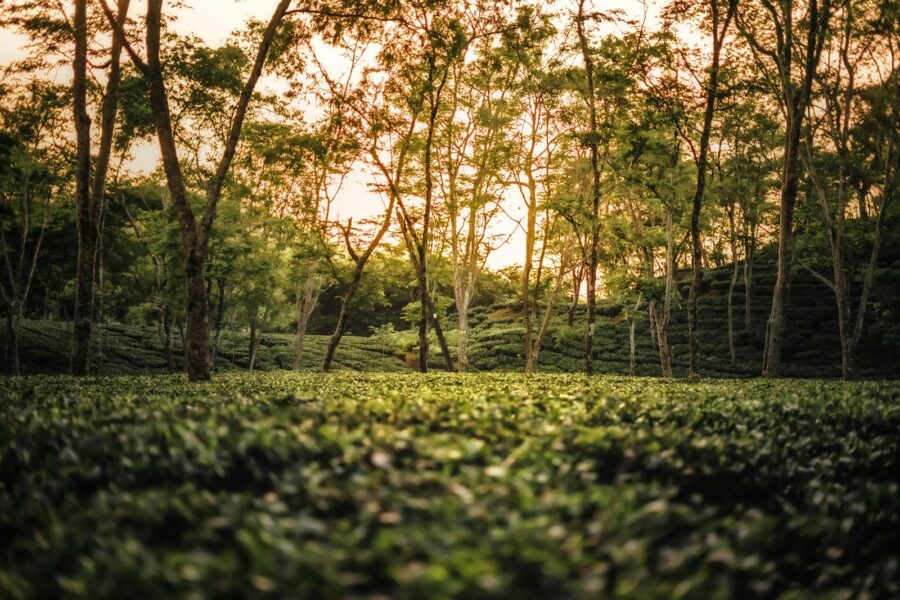
Assam–Tea Garden Vistas
Assam is India’s green gateway to the Northeast, famed for UNESCO‑listed biodiversity, mighty Brahmaputra landscapes, ancient temples, and the world’s renowned tea estates, making it a compelling mix of nature, culture, and slow‑travel experiences. Popular searches include Assam tourism, Guwahati travel, Kaziranga safari, Majuli island, and Assam tea tours, reflecting interest in wildlife sightings, river cruises, indigenous crafts, and festival circuits across the state. The official festival calendar features Bihu celebrations and diverse community events that showcase music, dance, cuisine, and crafts, offering immersive cultural windows throughout the year for visitors of all profiles. Families can plan easy logistics via Guwahati’s airport and rail hubs; couples can curate river sunsets, tea‑estate stays, and heritage walks; backpackers can string together homestays, ferries, and local buses; and adventure seekers can add national park safaris and birding hotspots with licensed guides. With government tourism contacts, operator listings, and online booking support, trip planning stays streamlined and credible, while travelers follow responsible tourism guidelines that protect wildlife corridors and river ecosystems central to Assam’s identity.
How To Reach Assam
By Air: Lokpriya Gopinath Bordoloi International Airport (Guwahati, GAU) is the primary gateway with extensive domestic connectivity and limited international links, typically 30–90 minutes to city center depending on traffic and route.
By Train: Guwahati Junction is a major railhead linking to metros like Delhi, Mumbai, Kolkata, and Bengaluru, with frequent direct and connecting services across the Indian Railways network.
By Bus/Road: National highways connect Assam to neighboring states; ASTC and private coaches serve intra‑state and inter‑state routes, with travel times varying widely by distance and terrain (2–10+ hours).
Local Transport Safety: Prefer registered taxis, app cabs, and ASTC services; plan buffer time in monsoon for roads and ferries; verify last‑mile boat timings for islands and riverbank villages before departure.
Tourist Attractions In Assam
Guwahati: State gateway with riverfront ghats, markets, museums, and temple circuits for easy first‑day sightseeing and logistics.
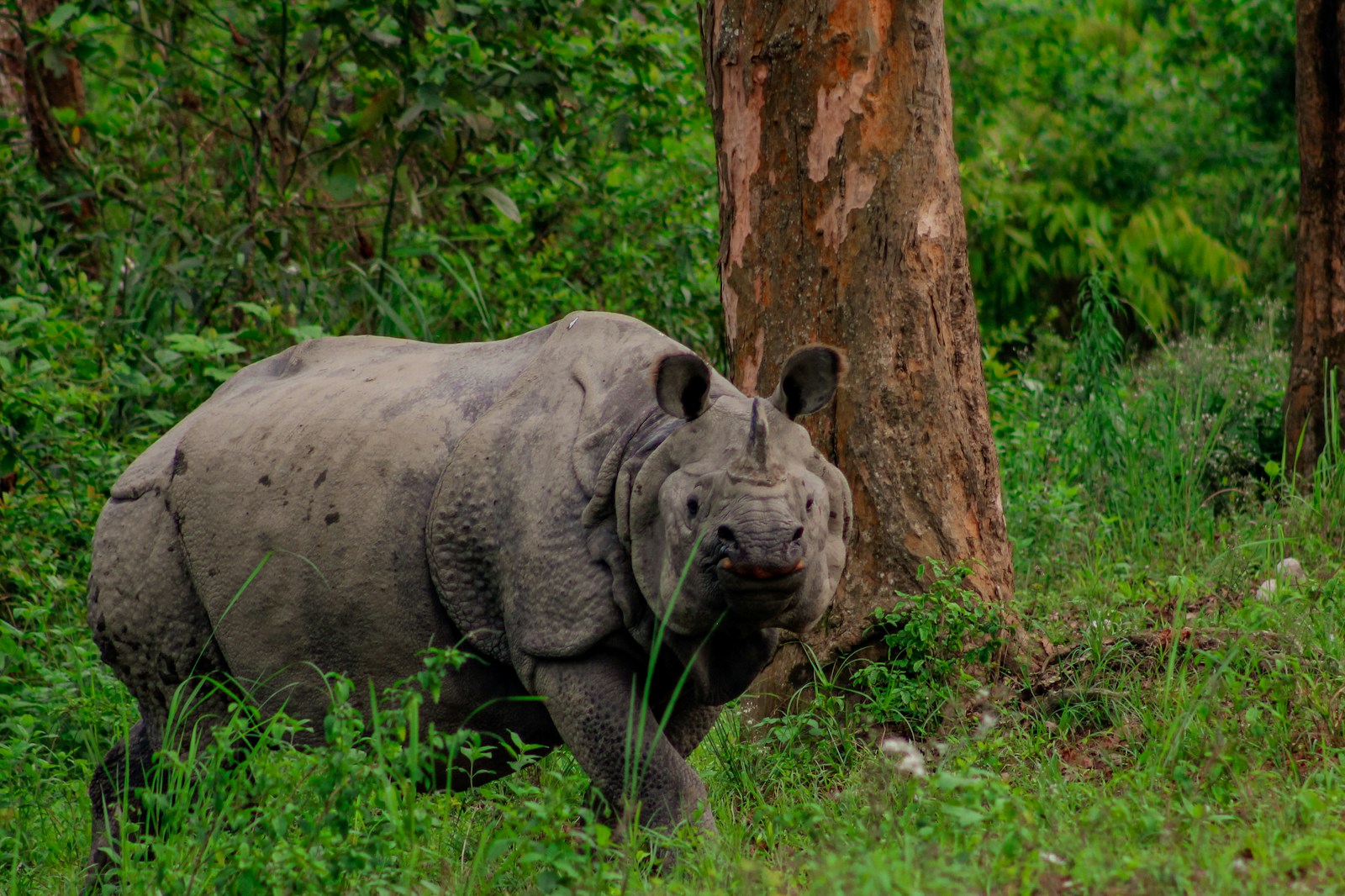
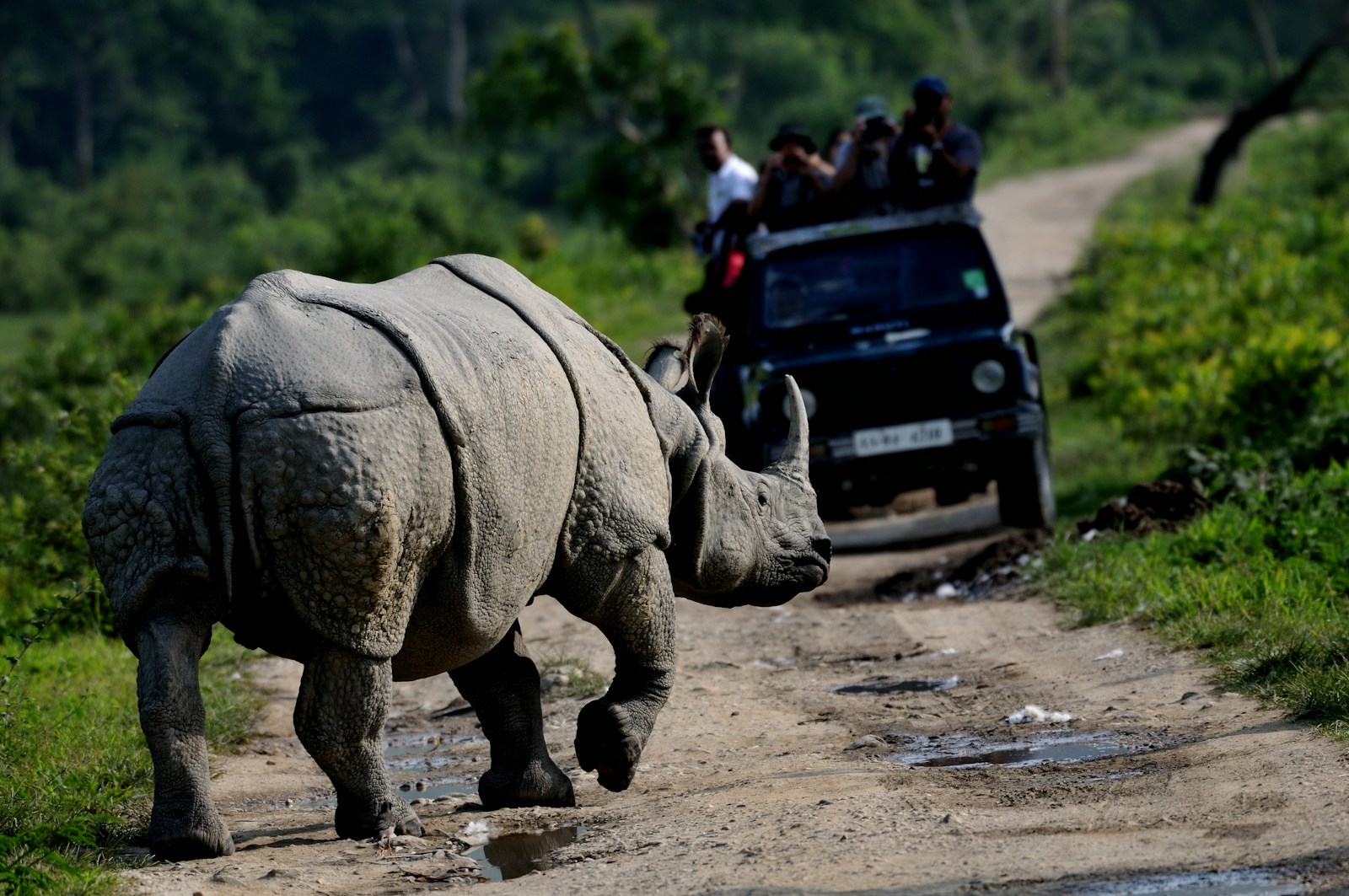
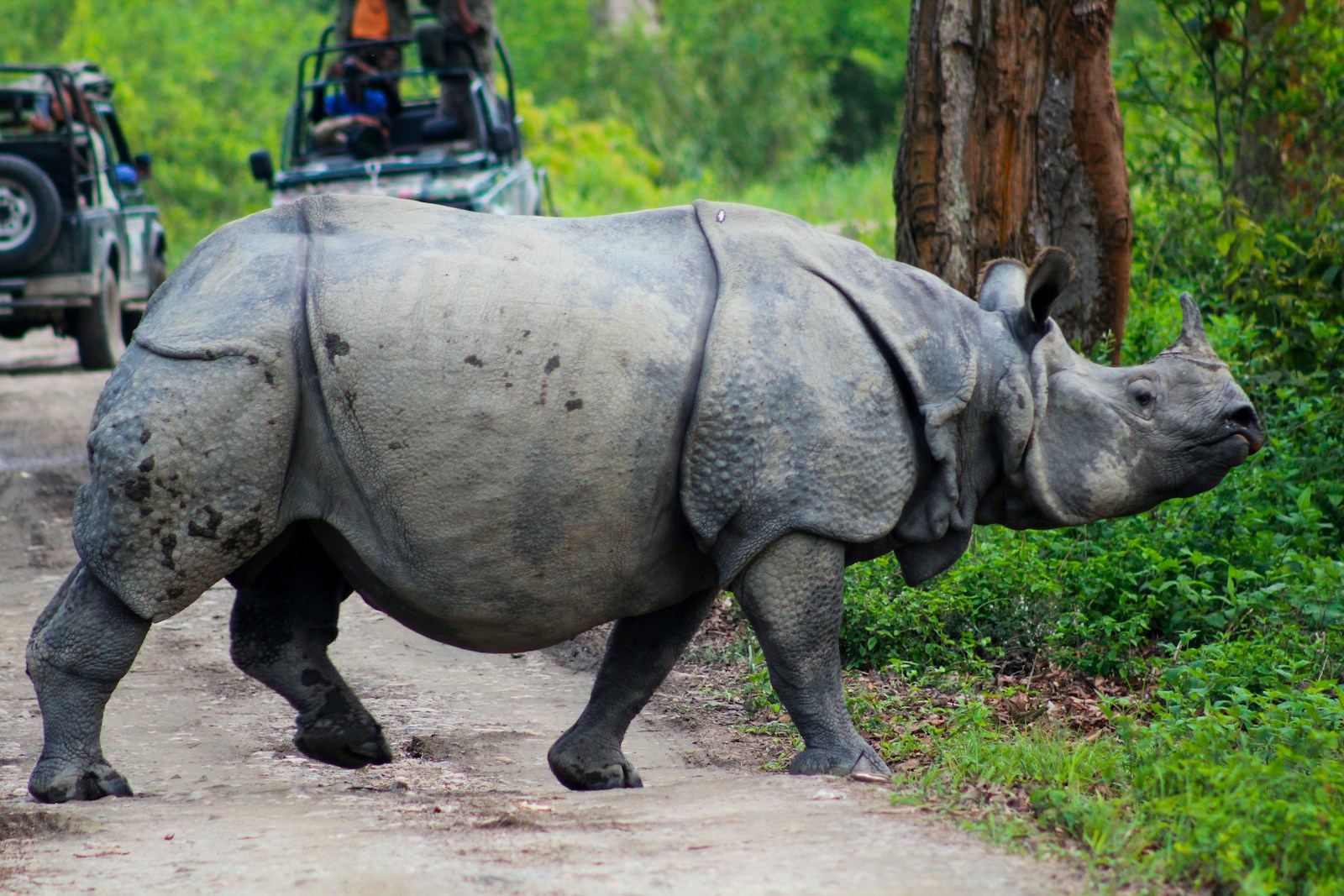
Kaziranga National Park: Iconic rhino habitat and UNESCO site with regulated jeep safaris and seasonal zone access for wildlife viewing.
Manas National Park: Tiger reserve and biosphere reserve offering birding and riverine landscapes with conservation‑focused experiences.
Majuli: River island known for Vaishnavite monasteries, mask‑making, and craft traditions accessible by ferries and local guides.
Sivasagar: Ahom era monuments and heritage complexes representing Assam’s royal archaeological legacy.
Pobitora Wildlife Sanctuary: High rhino density and birding hotspot near Guwahati for short wildlife getaways.
Haflong: Assam’s hill station with lakes and views, ideal for off‑beat nature breaks.
Things To Do In Assam
Jeep safaris and birding in national parks with licensed guides for responsible wildlife experiences.
Brahmaputra cruises and island village visits for culture, sunsets, and slow travel.
Tea‑estate walks and tasting sessions to learn plucking, processing, and terroir.
Temple and monastery circuits showcasing living traditions, music, and crafts.
Festival travel around Bohag, Magh, and Kati Bihu with cultural performances and local cuisine.
Handloom and handicraft shopping through government‑linked outlets and artisan hubs.
Best Time To Travel
Winter (Nov–Feb): Cool, dry weather ideal for safaris, cruises, and city walks; peak season—book permits, stays, and guides early.
Spring (Mar–Apr): Pleasant climate, tea gardens in activity, and Bohag Bihu festivities; moderate crowds with vibrant cultural programs.
Monsoon (Jun–Sep): Lush landscapes and fewer tourists, but river levels can affect ferries and park access; plan flexible itineraries and check advisories.
Autumn (Oct–Nov): Post‑monsoon clarity offers excellent wildlife and river views with festival continuity; rising demand near holidays.
Events & Precautions
Major Events: Bohag Bihu (Rangali Bihu) in mid‑April, Magh Bihu in January, and Kati Bihu in autumn anchor the cultural calendar statewide with community celebrations.
Practical Precautions: During festivals and safaris, pre‑book transport and guides, carry ID, and follow wildlife rules; during monsoon, monitor ferry schedules and road/weather advisories from official channels.
Useful Travel Tips
Transport & Bookings: Use official tourism contacts and recognized operators for safaris, ferries, and cruises; confirm park zone openings before travel.
Currency & Payments: UPI/cards work in cities; carry cash for rural belts, park gates, and small eateries near sanctuaries and islands.
Stays: Prioritize registered lodges and government‑linked properties near parks and river jetties for safety and early starts.
Internet & SIM: Urban 4G/5G is reliable, but river islands and forest edges can be patchy—download maps offline and share routes with contacts.
Sustainable Travel: Respect wildlife distances, avoid plastic on boats and in parks, and support community‑run tours and crafts for low‑impact travel.
Health & Wellness: Carry motion‑sickness meds for river journeys, insect repellent for dusk safaris, and hydration salts in warm months.
Packing Essentials: Quick‑dry layers, rain gear in monsoon, sun protection, sturdy shoes, and photocopies of IDs for park and ferry checks are recommended.
Connectivity & Communication: Save Assam Tourism and national tourist helpline contacts before travel for assistance in multiple languages.
Local Etiquette: Seek permission before photographing people, be quiet around prayer and wildlife zones, and queue at ferry and permit counters.
Shopping & Souvenirs: Look for tea, handloom, and bamboo crafts via government‑listed operator outlets and verified stores to ensure authenticity.
Things Not To Do / Avoid
Do not approach or feed wildlife; maintain park‑mandated distances and stay on designated tracks at all times.
Avoid unregistered boats or guides on the Brahmaputra and within parks; book recognized services for compliance and safety.
Do not litter on ferries, islands, or tea estates; carry reusable bottles and bags to protect river and park ecosystems.
Things To Remember
Packing & Documents: Keep government ID, park permits, confirmed bookings, and emergency contacts accessible; carry a power bank for long drives and ferry delays.
Health & Safety: Check daily park/ferry advisories, use lifejackets where required, and follow guide instructions strictly in wildlife zones.
Emergency & Help: Police (100), Fire & Rescue (101), Ambulance (108) or one Unified No. (112)
Tourist Helpline 1800‑11‑1363 (short code 1363) are key support numbers to save.
Suggested Itinerary
3-Day Itinerary
Day 1 (Arrival—Guwahati): Arrive by flight/train; riverfront walk, local markets, and cultural evening program as available.
Day 2: Day trip to Pobitora or city heritage and craft circuits; optional sunset river cruise with licensed operator.
Day 3 (Departure): Morning temple/handloom visit; depart with buffer for traffic and ferry timings.
5-Day Itinerary
Day 1 (Arrival—Guwahati): Orientation and local cuisine; prep permits and transfers for park visit.
Day 2: Transfer to Kaziranga; afternoon jeep safari (zone as allotted).
Day 3: Morning safari and village/handicraft visit; evening at lodge.
Day 4: Return to Guwahati; optional river cruise or museum circuit.
Day 5 (Departure): Shopping for tea/handloom; airport/rail transfer with buffer.
7-Day Itinerary
Day 1 (Arrival—Guwahati): City highlights and cruise option time‑permitting.
Day 2: Transfer to Kaziranga; afternoon safari.
Day 3: Morning safari; transfer to Majuli via ferry; evening cultural visit.
Day 4: Majuli monasteries and crafts; sunset river views.
Day 5: Return towards Guwahati or onward to Manas (time/logistics dependent).
Day 6: Manas wildlife/birding with licensed guides; conservation‑centric activities.
Day 7 (Departure): Drive back for flight/train; keep monsoon buffer for ferries/roads.
Nearby Destinations For Extended Trip
Shillong, Meghalaya (100–120 km from Guwahati): Hill capital with waterfalls and cafes; 3–4 hours by road—start early to beat border queues and book inner‑city taxis in advance.
Tawang, Arunachal Pradesh (440–500 km from Guwahati): High‑altitude monastery town; 12–16 hours by road with permits—plan acclimatization and weather buffers.
Ziro, Arunachal Pradesh (330–360 km from Guwahati): Pine‑clad valley and Apatani culture; 8–10 hours by road—confirm festival dates and permits early.
Agartala, Tripura (550–600 km from Guwahati): Palaces, lakes, and border culture; overnight train/flight combos with city transfers on arrival.
Kohima, Nagaland (350–380 km from Guwahati): Heritage and craft hubs; 8–10 hours by road—target festival weeks for cultural immersion.
Trip Extension Tips: Combine an Assam wildlife circuit with one Meghalaya hill break or an Arunachal heritage loop, ensuring permits, seasonality, and road conditions are verified ahead of time.
Must Try – For Foodies
Note: Representative eateries in Assam’s travel corridors; verify timings and seasonal menus, and expect cash preference at smaller venues near parks and islands.
Indian Veg
JB’s, Guwahati — North Indian/veg snacks and meals (@approx. ₹250–₹500 per person).
Parantha Hut, Guwahati — Veg parathas and quick bites (@approx. ₹150–₹350 per person).
Sagar Ratna, Guwahati — Vegetarian South Indian staples (@approx. ₹250–₹450 per person).
Indian Non‑Veg
Paradise, Guwahati — Biryani and tandoori specials (@approx. ₹300–₹600 per person).
Michinga, Guwahati — Grills and mains popular with travelers (@approx. ₹350–₹700 per person).
Tandoor, Guwahati — North Indian non‑veg platters (@approx. ₹350–₹700 per person).
Terra Maya, Guwahati — Multi‑cuisine with rooftop setting (@approx. ₹500–₹1,000 per person).
11th Avenue Cafe Bistro, Guwahati — Coffee, bakes, and global bites (@approx. ₹300–₹700 per person).
Additional Information
Official Help & Contacts: Directorate of Tourism, Govt. of Assam, +91‑361‑2547102, Station Road, Guwahati; email available on the contact page for assistance.
Tourism Corporation & Operators: Assam Tourism Development Corporation listings and tour operator contacts are published for verified services and bookings.
National Helpline: 24×7 Tourist Helpline 1800‑11‑1363 (short code 1363) offers multilingual support across India, including Assam.
Frequently Asked Questions
Pre‑booking with licensed operators is strongly advised in peak season, as jeep capacities and zone allocations are regulated for wildlife safety and visitor management.
Frequencies vary by season and river levels; monsoon can alter timings and routes, so check the day’s schedule and weather advisories before departure.
Yes, it’s the best‑connected base with airport, rail, and highways, enabling day or overnight trips to Pobitora, nearby temples, and river circuits with early starts.
Licensed guides and registered vehicles are mandatory for jeep safaris, ensuring adherence to park rules and responsible wildlife viewing.
Urban corridors and park gateways offer ample vegetarian restaurants and thalis; carry snacks for early safaris or long ferry days.
UPI/cards are common in cities, but carry cash for rural checkpoints, ferries, and small eateries near parks and villages.
Keep government ID and booking confirmations ready for park gates, ferries, and hotel check‑ins; carry photocopies as backups.
Use the state festival calendar for dates, book transport early, and allow time for community events, which may affect traffic and availability.
Sightings vary by season, time, and zone; follow guide advice on timing and behavior to maximize chances while respecting regulations.
Monitor Assam Tourism and Tourism Department pages for contacts, bookings, and calendars, and the national tourist helpline for assistance.
Need Assistance?
For any questions about Attraction bookings, please reach out to us via WhatsApp or call.




 4N/5D
4N/5D 4.8 (Excellent)