Australia: Diverse Landscapes, Beaches & Urban Wonders
(Australia – Oceania)
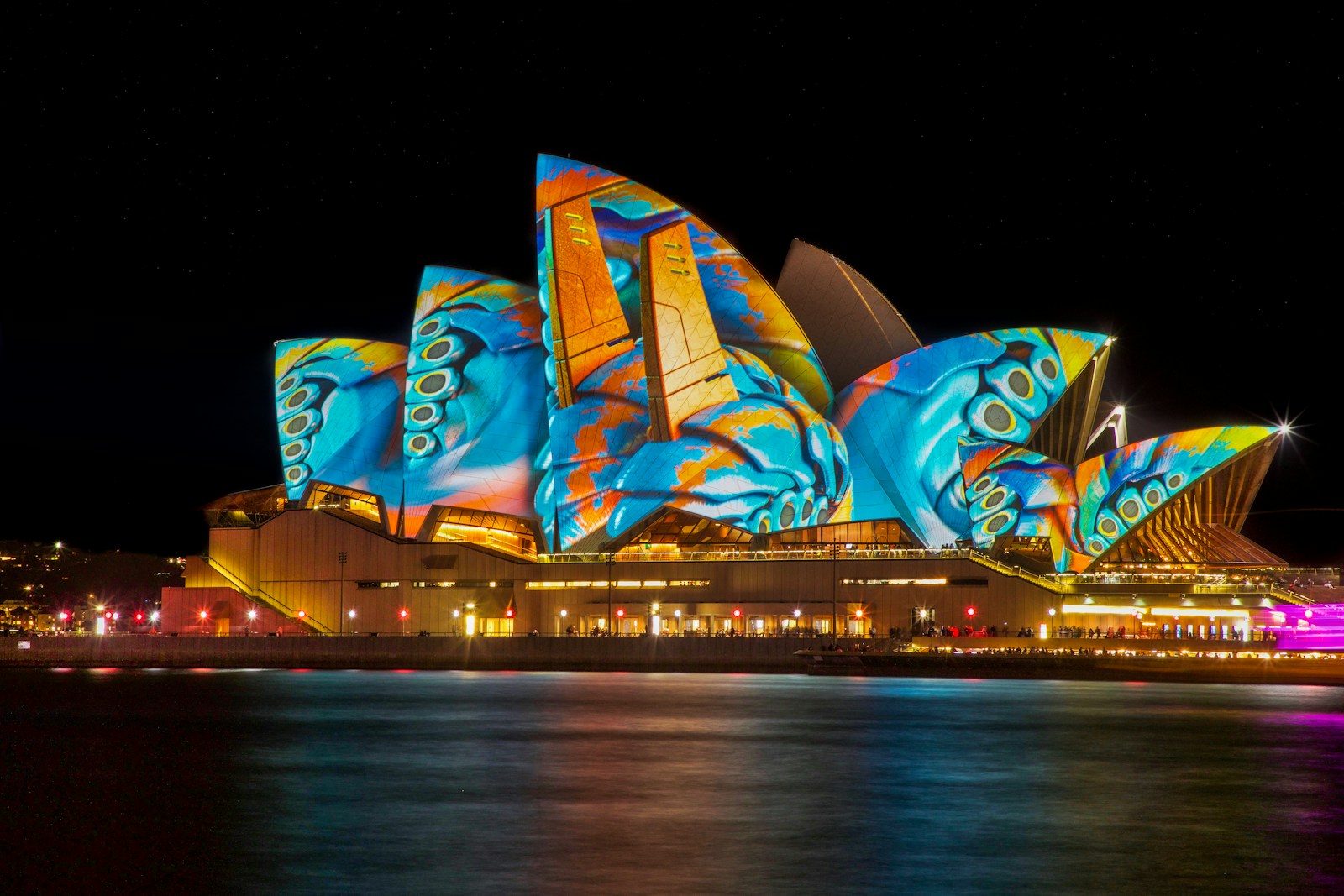
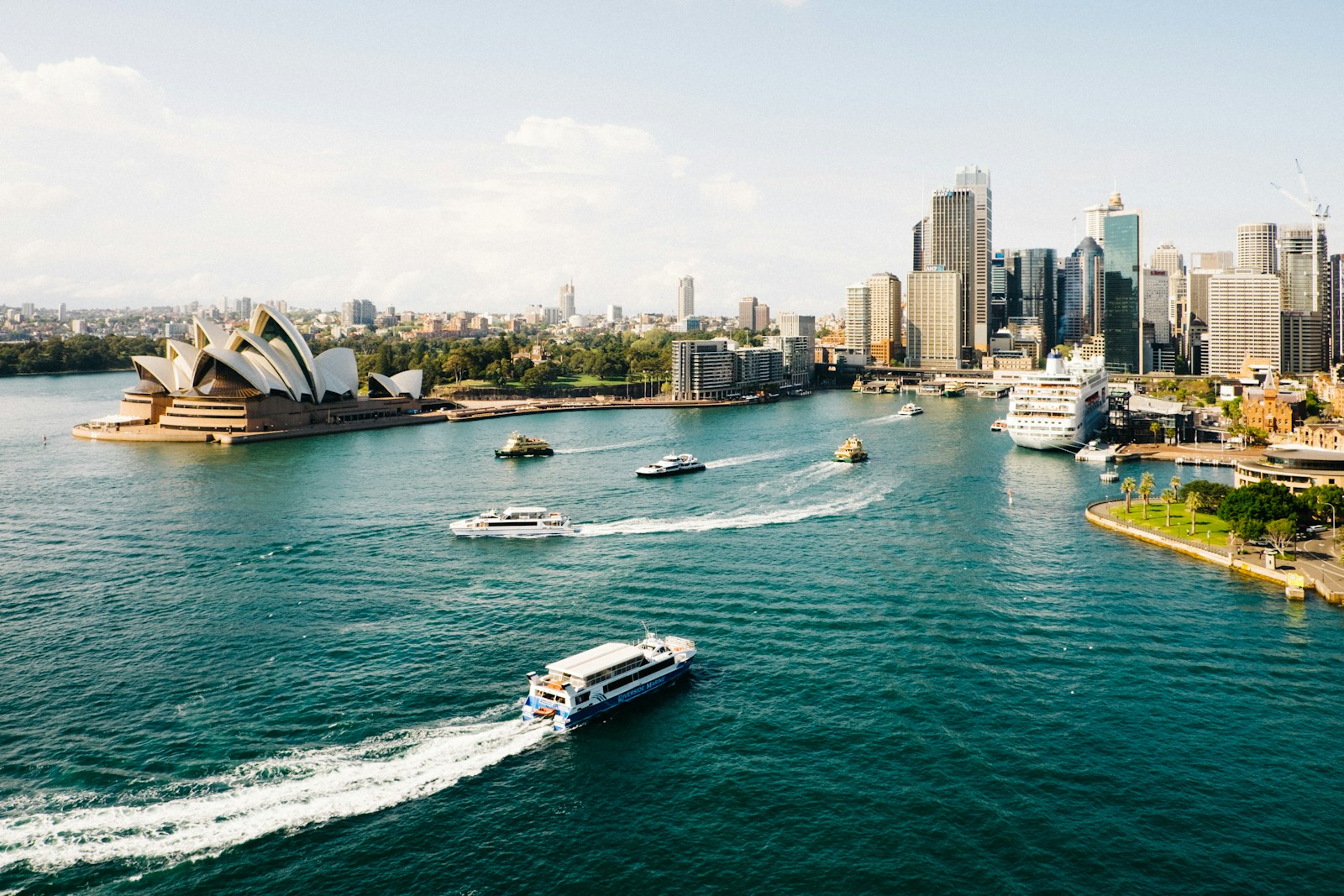
Opera House, Sydney Australia
Australia is a vast and varied continent-country in the Southern Hemisphere, renowned for its dramatic natural landscapes, rich Indigenous history, and cosmopolitan urban centres. From the sunburnt red deserts of the Outback and iconic Uluru, to lush rainforests, enormous reef systems, and pristine beaches, Australia offers some of the world’s most stunning travel experiences. Major search queries like “Australia visa for Indians”, “Great Barrier Reef tour”, “Sydney itinerary”, “Australia wildlife safari”, “Australia cost of travel” are highly relevant.
Historically, Australia is home to the world’s oldest continuous cultures — the Aboriginal and Torres Strait Islander peoples — whose traditions, art and connection to land remain central. European settlement from the late 18th century added colonial architecture, modern infrastructure and multiculturalism. Today’s Australia is a fusion of cultures, modern cities, laid-back beach life, and adventurous wilderness.
For Indian tourists, Australia stands out for its relative ease of travel (visa reforms), safe and high-quality infrastructure, English language use, and diversity of experiences. Families will enjoy theme parks, wildlife encounters, and beach holidays; couples can find romantic escapes in the Whitsundays, wine regions or scenic drives; adventure seekers will love surfing, diving, hiking, camping; backpackers can explore coastal trails, hostels, budget travel in big cities and rural towns. Unique experiences include seeing the Great Barrier Reef, exploring the Daintree Rainforest, diving with marine life, experiencing Aboriginal culture, and enjoying Australia’s food culture and festivals.
How to Reach Australia
(Note: Since Australia is not a domestic destination for Indian travellers, this section covers international access.)
By Air:
Direct flights operate from Indian cities (Delhi, Mumbai, Bangalore etc.) to major Australian hubs like Sydney, Melbourne, and Perth. Expect flight times around 12-14 hours for direct or with one layover (~16-20 hours depending on route).
Airlines like Qantas, Air India, Singapore Airlines, etc. provide one-stop or two-stop connections via hubs (Singapore, Kuala Lumpur, Dubai).
Visa & Entry Requirements:
Indian travellers typically require a valid tourist visa (Subclass 600 or ETA/eVisitor where applicable), applied in advance online. Processing times vary. Recent reports highlight streamlined digital visa processes.
Passport validity of at least 6 months; proof of sufficient funds; onward or return ticket may be asked.
Local Transportation:
Once in Australia, domestic flights connect distant regions (e.g. between east coast and western areas).
Cities have good public transport: trains, trams, ferries. Car rentals are useful for regional/outback travel but distances are large.
Tips on Transportation Safety:
Drive defensively, keep to left-hand side; be cautious in remote areas especially at night.
If driving in outback, ensure you have enough fuel, supplies, let someone know your route.
Must-Visit Places in Australia
New South Wales (NSW) & Sydney Region
Sydney — Opera House, Harbour Bridge, Bondi Beach, Royal Botanic Garden.
Blue Mountains — dramatic cliffs, waterfalls, Three Sisters, bushwalks.
Hunter Valley — wine region near Sydney; vineyards, gourmet food.
Queensland & Tropical North
Great Barrier Reef (Cairns / Port Douglas) — world’s largest coral reef, snorkeling & diving.
Blue Mountains (NSW) – dramatic cliffs, waterfalls, bushwalks
Melbourne – art, food culture, laneways, café scene
Perth & Rottnest Island – coastal beauty, quokkas, relaxed vibes
Tasmania (Hobart, Freycinet, Cradle Mountain) – wilderness, hiking, fresh produce
Kakadu National Park – Indigenous culture, wetlands, waterfalls
The Kimberley – rugged landscapes, remote wilderness in Western Australia
Things to Do in Australia
Here are top activities, experiences and must-do sightseeing:
Cruise/ snorkel/ dive at the Great Barrier Reef
Take a sunset tour or climb the Sydney Harbour Bridge
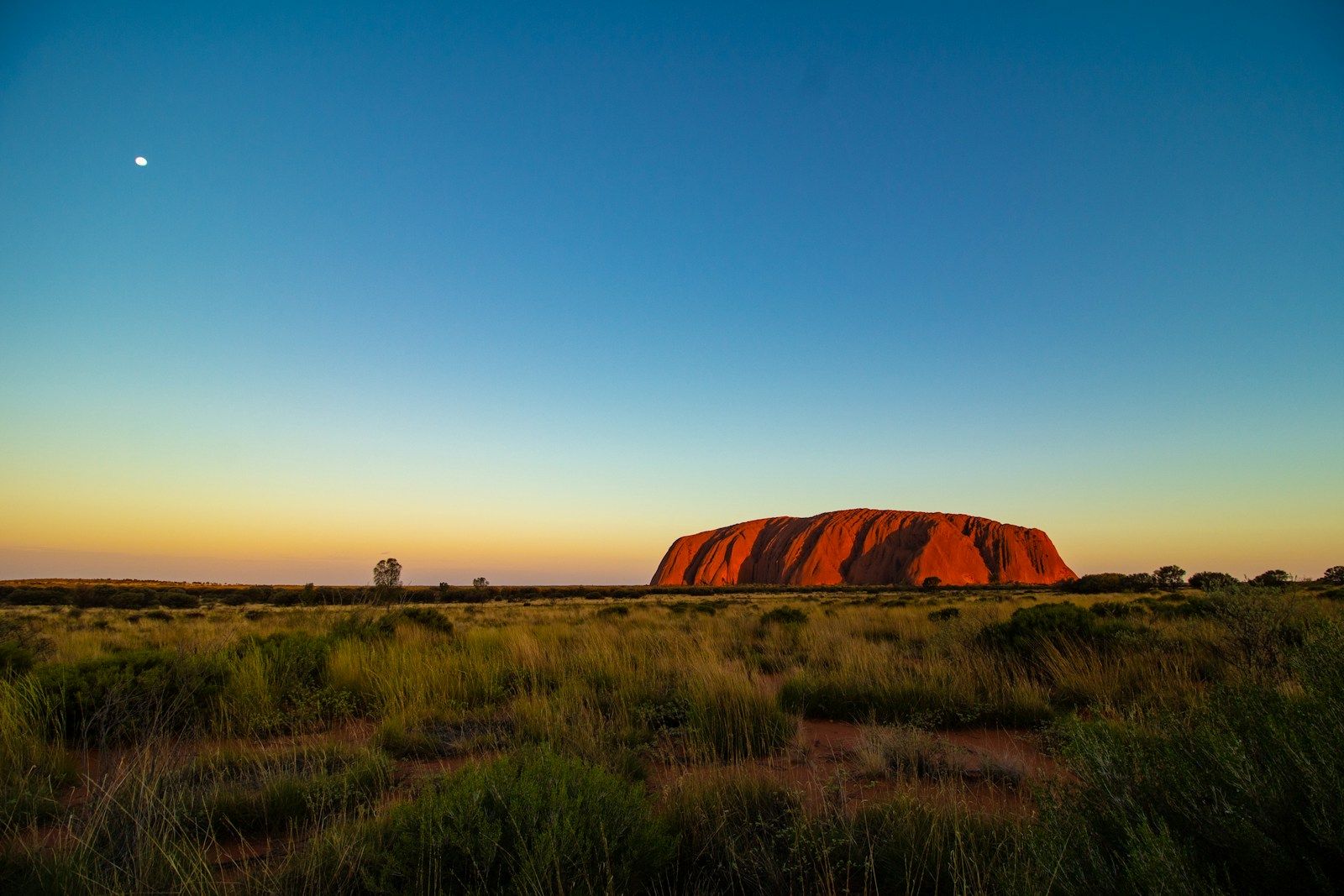
Watch sunrise/sunset over Uluru and experience desert culture
Explore the Daintree Rainforest and look for rare flora and fauna
Walk or hike in the Blue Mountains (Three Sisters, Wentworth Falls)
Visit wildlife sanctuaries: kangaroos, koalas, platypus, or even see penguins (Phillip Island)
Go on a road trip along the Great Ocean Road
Enjoy water sports: surfing, kayaking, paddleboarding
Sample local food & wine in regions like Barossa Valley, Margaret River
Attend festivals & arts events (music, light shows, Indigenous cultural festivals)
Relax on world-class beaches: Bondi, Whitehaven, Cable Beach
Best Time to Travel
Ideal seasons:
Southern Australia (Sydney, Melbourne, Tasmania etc.): September-November (spring) and March-May (autumn) offer pleasant weather, mild temperatures.
Northern Australia (Cairns, Darwin, Top End): Dry season — roughly May to October — is best for wildlife, reef activities, less rain.
Peak vs Off-Season:
Summer (December-February): great for beaches but can be hot, humid, and in north, rainy & cyclone risk. Prices & crowds are high.
Winter (June-August): safe for north, cooler in south; good festival season; snow in alpine regions (e.g. Snowy Mountains) if interested.
Comparing advantages:
Spring & autumn = fewer tourists, better rates, still good weather.
Dry season in north = clear skies, wildlife visible.
Rainy/humid season can limit outdoor activities in the tropics, but southern coasts are fine.
Events & Precautions
Major Cultural / Festival Events:
Vivid Sydney (May-June) – light installations, art, music in Sydney.
Adelaide Fringe Festival (Feb-Mar) – huge arts, theatre, performance festival.
YIRRAMBOI: First Nations Arts Festival in Melbourne (May; Indigenous arts and culture).
Traveller Safety Precautions:
Be aware of wildlife & insects; stingrays, jellyfish, snakes. Always heed warnings.
UV is very strong: sunscreen, hat, hydration are essential.
In tropical / remote regions, risk of storms, floods during wet season. Check weather forecasts.
Emergency services respond well in urban areas; remote areas may take longer.
Useful Travel Tips
Transport & Local Guide / Budget Travel: Use local public transport in cities. For long distances, low cost flights or coach services. Book early for deals.
Currency & Money: Australian Dollar (AUD). Credit/debit cards accepted almost everywhere; carry some cash for remote areas. Inform bank about overseas travel.
Accommodation: Ranges from hostels, B&Bs, Airbnb, mid-range hotels, luxury resorts. For budget travel, stay in guesthouses or smaller towns.
Internet & Connectivity:good coverage in cities; buy a local SIM or eSIM with data. Many places offer free WiFi.
Local Etiquette & Cultural Norms: Australians are generally casual and friendly. Punctuality is appreciated. Respect Indigenous culture, especially at sacred sites.
Shopping Guide & Souvenirs: Aboriginal art & crafts, opals, wine, surf gear, local foods like Macadamia nuts.
Sustainable Travel & Responsible Tourism: Choose eco-certified tours (especially reef or wildlife); avoid single-use plastics; support local Indigenous guides; stay on marked trails.
Health & Wellness: Stay hydrated; protect from sun & UV; vaccinations (check required/optional); travel insurance covering adventure/sports.
Indonesia / Bali (~6-7 h depending route) — beaches, culture, temples.
Trip Extension Tips Overall: Book multi-country flights in advance; check visa requirements; ensure rest days when transferring; coordinate seasons (e.g. Australia’s winter = Pacific summer).
Must Try – For Foodies
(Note: Australia has many Indian restaurants; below are popular options / local cuisines.)
Emergency Contacts: Dial 000 anywhere in Australia for police / fire / ambulance.
Frequently Asked Questions
Yes — Indian travellers generally require a visitor visa (e.g. Subclass 600) or ETA depending on travel type, applied ahead of travel.
Processing times vary depending on visa type and completeness of application; digital/online applications often take 1-2 weeks for tourist visas in many cases.
Yes — flight connectivity has increased. There are direct & one-stop options from major Indian cities. Over 55 flights per week have been reported to operate between India and Australia recently.
Yes — English is the main language. Service staff, signage, public transport etc. all function in English. Indigenous languages are also present in some regions.
Compared to India, yes — costs of food, accommodation, transport are higher. Budget carefully; looking for mid-range or budget stays and off-peak travel helps reduce cost.
As of latest reports, Australia’s entry rules are mostly normal, but check latest health advisories and airline requirements before departure.
Australia uses 230V with Type I plug (three flat pins in triangular pattern). Bring suitable adapter and voltage compatibility.
Generally yes — Australia is considered safe. However, common sense precautions apply: avoid isolated places late at night, know emergency contacts, stay aware in remote areas.
No — the currency is the Australian Dollar (AUD). You’ll need to exchange or withdraw locally.
Regions like the Great Barrier Reef (marine life), Tasmania (native fauna), Kangaroo Island (sea lions, koalas), and national parks (Kakadu, Daintree, etc.) offer unique wildlife encounters.
Need Assistance?
For any questions about Attraction bookings, please reach out to us via WhatsApp or call.



 8N/9D
8N/9D 4.9 (Excellent)