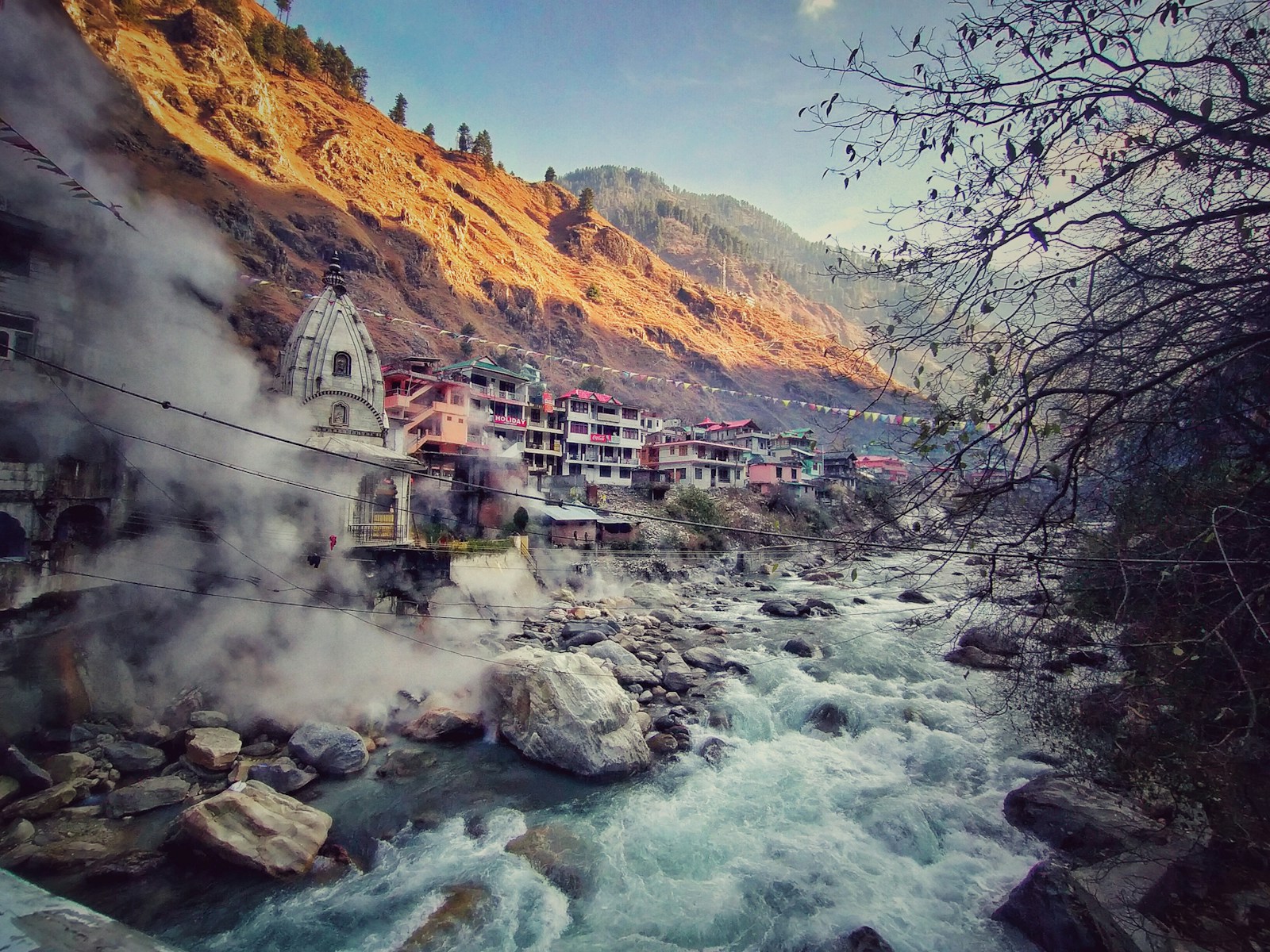
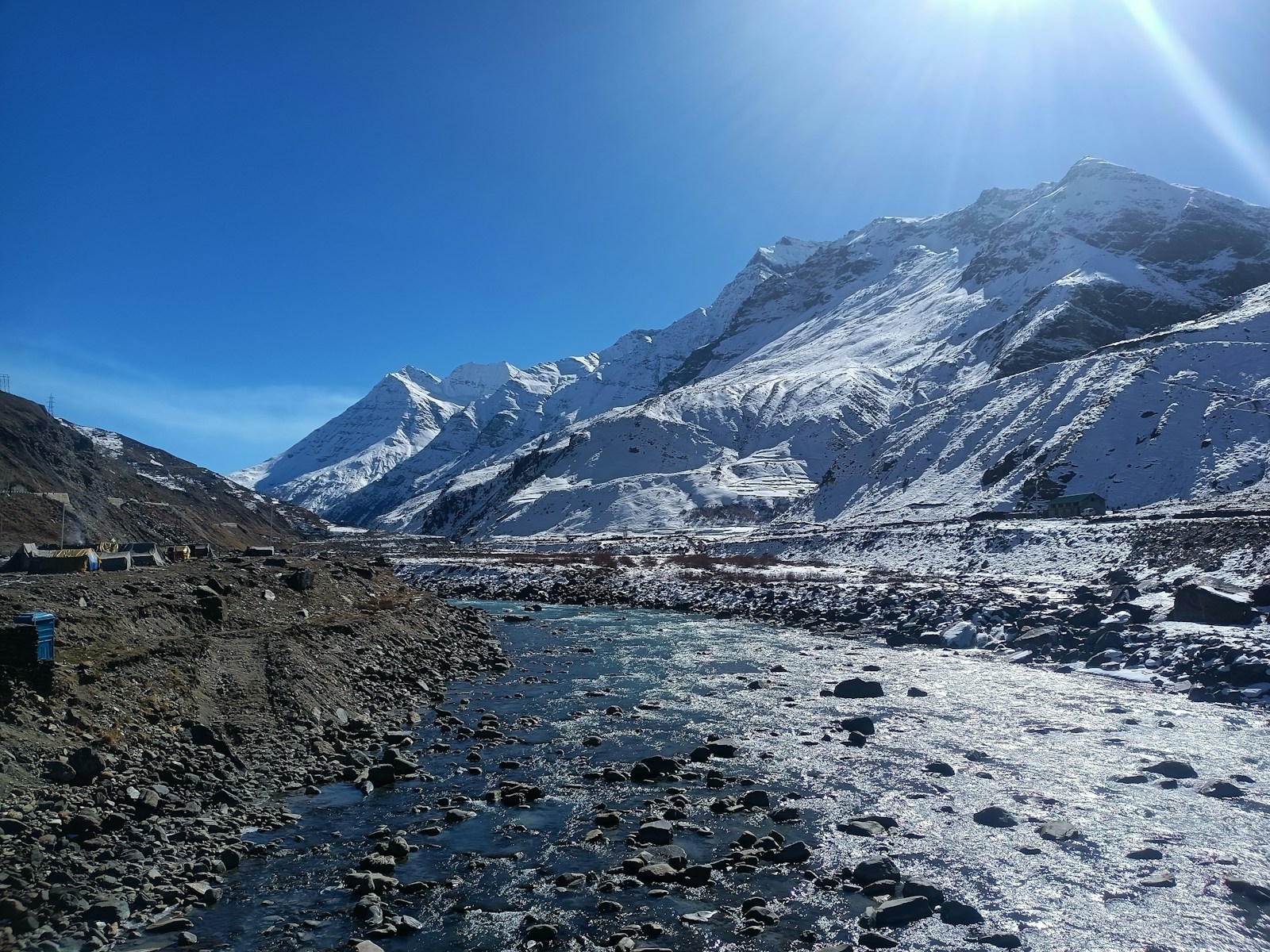
Nestled in India’s northern belt of the Himalayas, Himachal Pradesh is a state of towering peaks, lush valleys, flowing rivers and rich cultural heritage. Known for its hill-stations like Shimla and Manali, Himachal combines British-era architecture, traditional Himachali villages, Buddhist monasteries and adventure-ready terrain.
Travellers from across India flock here for everything from mellow nature walks and family holidays to adrenaline-fuelled trekking, paragliding and river rafting. The culture is vibrant: local festivals, handicrafts and hill-folk traditions add colour to the snow and pine-clad landscapes. For families, couples or backpackers seeking an escape from city life, Himachal has something to offer. Whether you’re looking for a romantic honeymoon in the hills, a fun vacation with kids or a solo adventure through off-beat trails, Himachal’s blend of comfort, scenery and activity makes it special.
How to Reach Himachal Pradesh
By Air
You can fly into airports such as Kangra Airport (Gaggal) or Jubbarhatti Airport (Shimla). From Delhi, flights take approximately 1 to 1.5 hours.
By Train
Rail connectivity is limited due to the Himalayan terrain. The famous narrow-gauge Kalka–Shimla Railway takes about 6–7 hours from Kalka to Shimla. From Delhi to Himachal by train + taxi or bus takes around 5–7 hours depending on route.
By Road / Bus
Buses and shared taxis from Delhi or Chandigarh to major Himachal towns take about 8–12 hours depending on traffic and terrain.
Local Transportation Tips
Within Himachal expect winding roads, steep terrain and slower speeds. Use registered taxis or government-run buses. For safety: avoid driving at night in rain or snow, carry warm clothing and check weather conditions.
Tourist Attractions in Himachal Pradesh
Here’s a breakdown of the most popular and must-visit places in Himachal Pradesh—arranged by region so you can plan your trip depending on your interests (adventure, nature, culture, ease-of-access).
Spiti Valley – Raw Himalayan terrain, monasteries, high altitudes; great for deeper adventures.
Kinnaur – Apple orchards, sacred peaks, less-crowded Himalayan charm.
Lahaul Valley – High altitude, remote environment, for seasoned travellers.
Chandratal Lake – Stunning alpine lake in high-mountain area (often part of Spiti circuits).
4. Lesser-Known/Valley Retreats
Kasol in Parvati Valley – Backpacker friendly, forested, riverside cafés, more relaxed.
Tirthan Valley – Quiet nature retreat, perfect for those avoiding heavy tourist crowds.
Great Himalayan National Park – For wilderness, wildlife, trekking off the beaten path.
Chamba – Historic region, scenic, less commercialised—ideal for a different pace.
Things to Do in Himachal Pradesh
Go trekking in the Himalayan trails (Spiti, Kinnaur, Tirthan Valley).
Try paragliding at Bir-Billing or Solang Valley.
Experience river rafting on Beas or Sutlej.
Enjoy apple-orchard walks and forest exploration in Kullu.
Take a heritage ride on the Kalka–Shimla toy train.
Visit Buddhist monasteries in Dharamshala and embrace Tibetan culture.
Ski or snow-play in winter at altitude spots near Manali or Shimla.
Explore local handicrafts and Himachali food in hill-town markets.
Relax in nature, camp under stars and soak in valley views.
Go for village stays & eco-tourism in lesser-visited Himachal corners.
Best Time to Travel
The best season for Himachal is generally April to June (pleasant climate, green valleys) and September to October (post-monsoon clarity, autumn colours). Monsoon (July-August) brings heavy rain and risk of landslides. Winter (December to February) is ideal for snow-lovers and skiing but road closures may happen. Travellers targeting snow should aim for December-February; those wanting mild weather and full mobility should choose April-June or September.
Events & Precautions
Major cultural events include the Shimla Summer Festival (May/June). During festival times expect large crowds and higher prices. Precautions:
In hills : always check weather and road condition, heed local advisories.
On adventure activities : ensure certified operators, wear safety gear.
Health & altitude : stay hydrated, acclimatise when going to high altitudes.
Useful Travel Tips
Transport: Pre-paid taxis are recommended; carry extra time buffer for mountain travel.
Currency: ATMs are available in major towns but remote areas may have none — carry cash.
Accommodation: Wide range from budget guest-houses to luxury stays. Book early peak season.
Internet / Connectivity: Mobile network weaker in remote valleys; plan accordingly.
Packing Essentials: Warm layers even in summer evenings, good walking shoes, rain cover.
Local Etiquette & Cultural Norm: Greet locals respectfully, remove shoes in temples/monasteries, ask permission before photography.
Sustainable Travel & Responsible Tourism: Choose home-stays, avoid single-use plastics, support local businesses.
Health & Wellness: Carry basic medicines, have travel insurance, be cautious of altitude above ~2,500 m.
Shopping Guide & Souvenirs: Look for Himachali shawls, local woollens, handicrafts, apple products; bargain mildly in markets.
Things Not to Do / Avoid
Don’t litter or leave waste in fragile hill ecosystems — environment is sensitive.
Avoid reckless driving or riding in rain or snow without experience.
Don’t assume mobile connectivity everywhere — don’t rely solely on GPS in remote areas.
Avoid loud behaviour or disrespect in monasteries or tribal villages.
Don’t go trekking or venture into high passes without checking permits or local advice.
Avoid travelling off-road during monsoon or winter when landslide risk is high.
Things to Remember
Pack warm clothing, boots, a rain jacket, sunscreen and a first-aid kit.
Carry bottled water or water-purifying tablets — hydration is key.
Emergency contacts: Indian national helpline 112; for tourism enquiries check the official portal of Himachal Pradesh Tourism Development Corporation (HPTDC).
Keep scanned ID and travel insurance handy.
In case of road closures, plan alternate routes in advance.
Suggested Itineraries
3-Day Itinerary (Popular)
Day 1: Arrival (e.g., Delhi → Shimla), check-in, local sightseeing (Mall Road, Ridge)
Day 2: Shimla → Kufri or Mashobra, enjoy forest walks or short trek, evening market visit
Day 3: Drive to Manali or Kullu Valley, enjoy river-side view, departure or onward travel
5-Day Itinerary
Day 1: Arrival at Delhi → Shimla, relax and acclimatise
Day 2: Shimla local sightseeing, toy-train ride (Kalka-Shimla)
Day 3: Drive to Kullu/Manali via scenic route, stop en-route villages
Day 4: Manali area: Solang Valley, adventure sports or nature walk
Day 5: Departure or on to Dharamshala/Kangra basin
7-Day Itinerary
Day 1: Delhi → Shimla, evening stroll Mall Road
Day 2: Shimla → Kufri/Mashobra, forest walks
Day 3: Drive Shimla → Kullu/Manali, stop at Kullu valley vistas
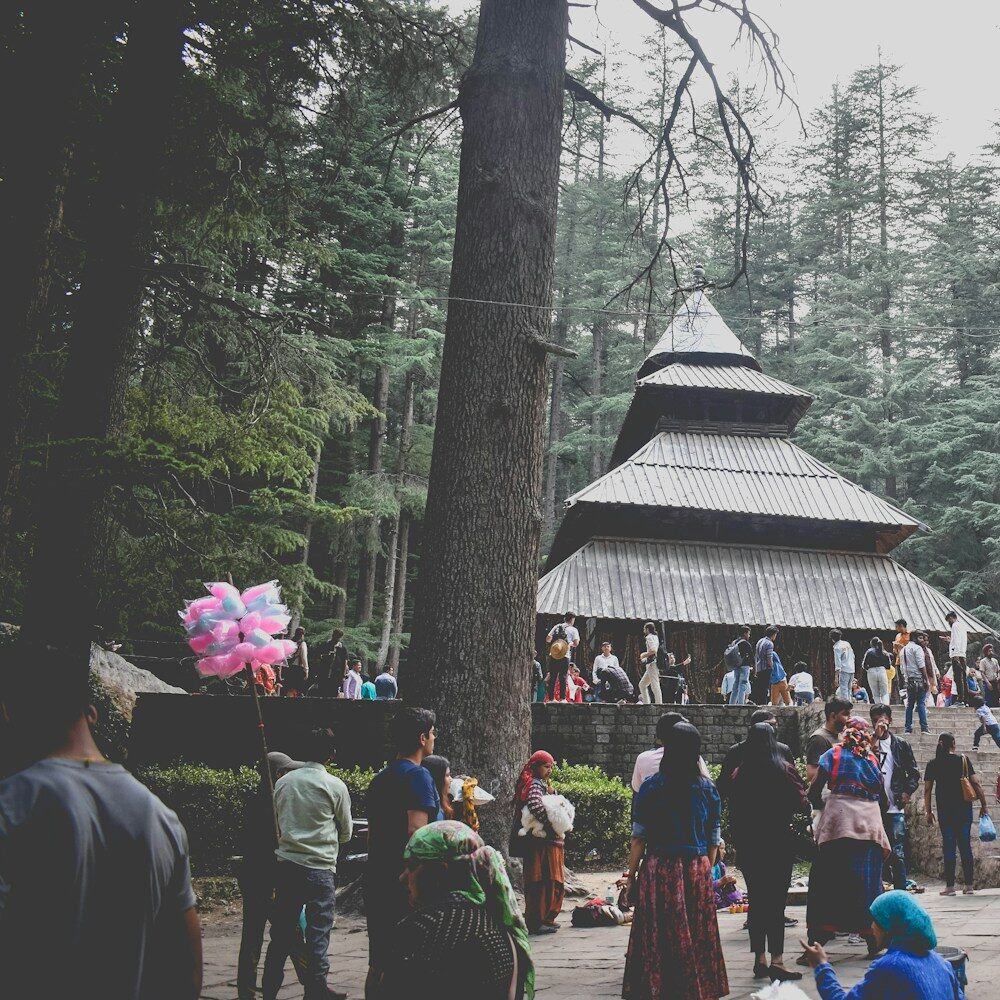
Day 4: Manali full day: Hadimba Temple, Vashisht, optional rafting/paragliding
Day 5: Manali → Dharamshala (via Kullu) or stay another day in Manali
Day 6: Dharamshala / McLeod Ganj: monasteries, Tibetan culture
Day 7: Departure from Dharamshala to Delhi or onward
Must Try – For Foodies
Indian Veg
Hindi Dhaba, Manali, Himachal Pradesh — vegetarian Himachali thali (@ ₹350-600 per person)

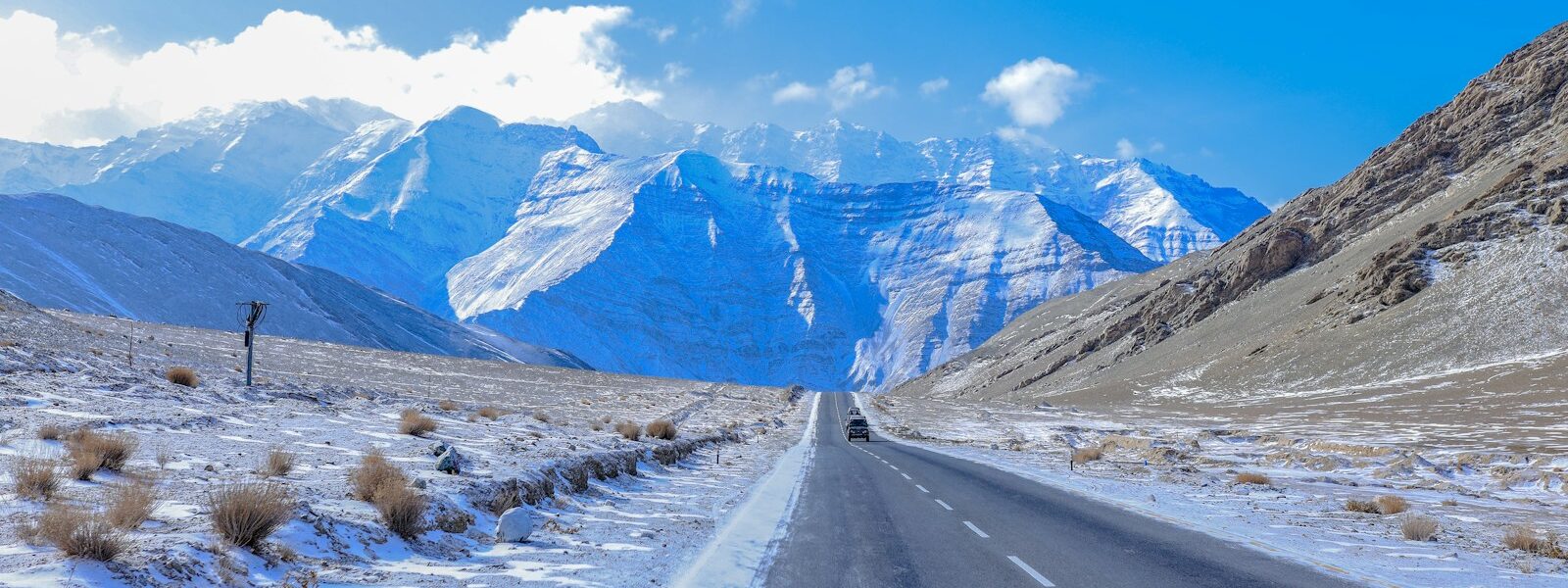


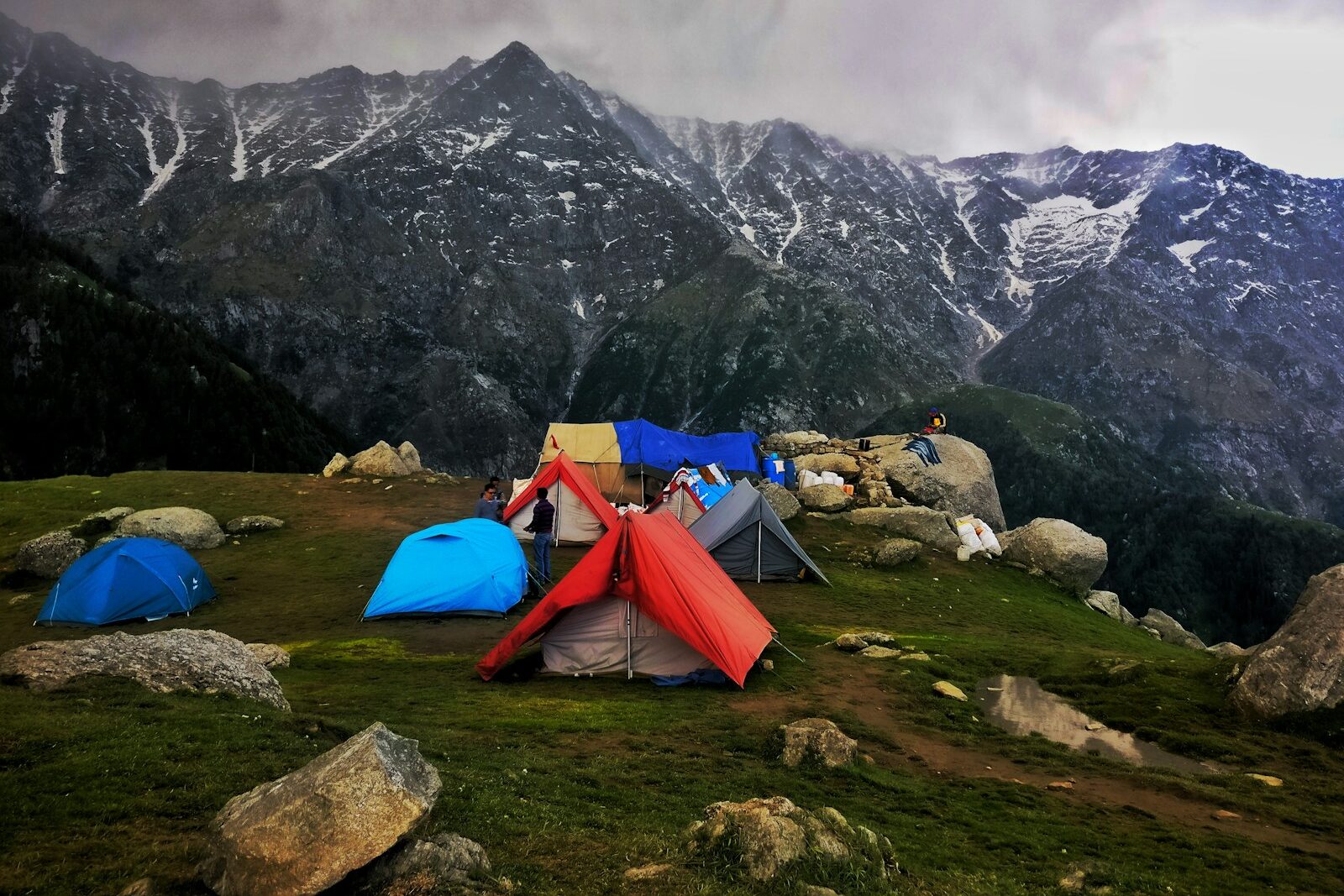
 4N/5D
4N/5D 4.8 (Excellent)