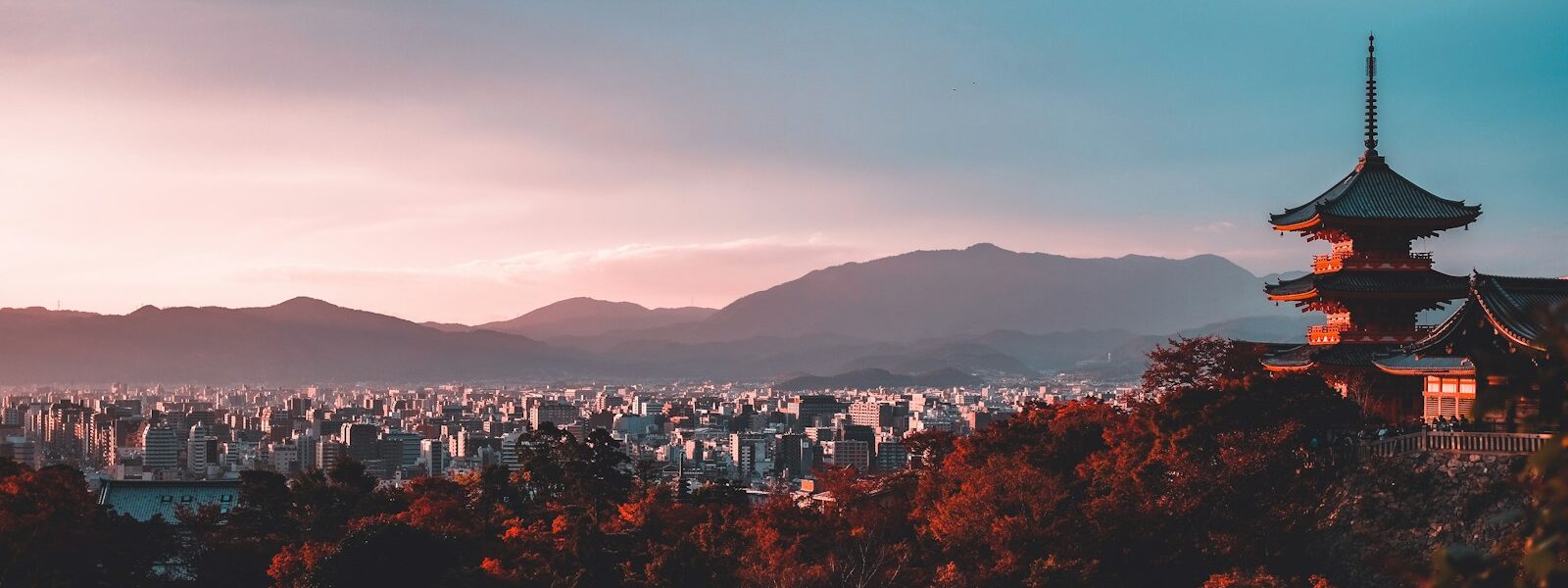
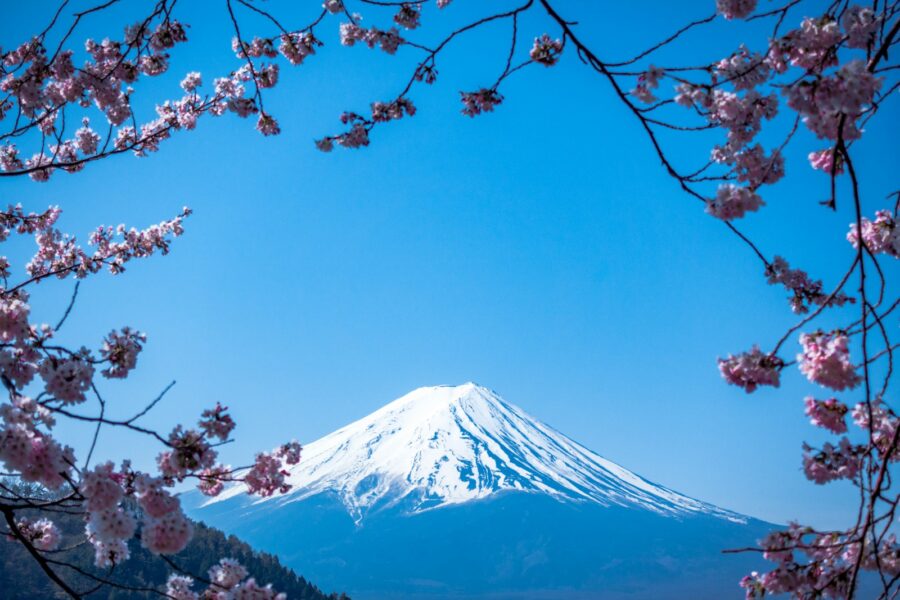
Japan is an island nation in East Asia, weaving together centuries-old traditions with cutting edge modernity. Comprised of four main islands (Honshu, Hokkaido, Kyushu, Shikoku) and countless smaller isles, Japan’s landscape ranges from snowy peaks to subtropical beaches. Historically, Japan’s feudal era, samurai culture, and interactions with China and the West have shaped a unique identity of art, philosophy, architecture, and cuisine. Today, Japan stands as a global leader in technology, design, innovation, and cultural exports.
For Indian travelers, Japan is a destination that offers both contrast and familiarity. The warmth of hospitality (omotenashi), efficient transit systems, and increasing tourist-friendly services make it accessible. Whether you’re a family wanting safe, clean experiences; couples seeking romance in Kyoto’s lantern lanes; backpackers chasing hidden alleys and local ryokans; or adventure seekers wanting alpine treks, skiing in Hokkaido, or coastal island escapes—Japan delivers. Travelers can expect seasonal festivals, tranquil gardens, tea ceremonies, anime culture, bullet trains, pristine nature and diverse food experiences (from sushi to ramen to local street snacks). With the recent e-visa policy for Indians (single-entry 90 days) opening up new ease, Japan’s appeal as a bucket-list destination from India has grown even stronger.
How to Reach Japan (From India)
By Air
Several Indian cities (Delhi, Mumbai, Bangalore, Chennai) have connecting flights via hubs (Tokyo, Osaka, Bangkok, Singapore) to Japan.
Direct flights: Delhi → Tokyo (Narita/Haneda) is about 7 to 8 hours non-stop.
One-stop or two-stop options span 12 to 18+ hours depending on layovers.
After Arrival / Domestic Transit in Japan
Shinkansen (Bullet Train) and regional rail networks connect major cities (Tokyo, Kyoto, Osaka, Hiroshima).
Domestic flights help reach Hokkaido, Okinawa, or far corners.
Long-distance buses / highway coaches are cheaper alternatives for intercity travel, especially at night.
Local transport: metro, buses, taxis, rental bicycles. Use IC cards (Suica, Pasmo) for seamless travel.
Safety Tips for Local Transport
Always queue at marked lines for trains / subways.
Keep minimal luggage when navigating stations.
Use official taxis or app-based ride services.
In winter or snow regions, check for delays and follow safety advisories.
Tourist Attractions in Japan
Here are some of the best attractions, must-visit places, and sightseeing highlights in Japan:
Takayama / Shirakawa-go: Traditional villages, mountain ambiance
Things to Do in Japan
Here’s a list of memorable things to do, experiences, and activities in Japan:
Ride the Shinkansen (bullet train) across regions
Stroll through cherry blossom (sakura) spots or autumn foliage
Stay in a traditional ryokan and soak in an onsen (hot spring)
Participate in a tea ceremony, wear kimono
Explore anime / manga / cosplay culture in Akihabara, Harajuku
Visit temple and shrine complexes, practice prayer rituals
Hike trails (e.g. Mount Fuji, Kumano Kodo pilgrimage paths)
Take a night food walk / street food tour
Ride ropeways / cable cars for scenic mountain views
Cruise lakes, rivers, or coastal areas
Attend local festivals (matsuri) and summer firework events
Best Time to Travel
Spring (March to May): Ideal for cherry blossoms, mild weather, popular season.
Autumn (September to November): Gorgeous foliage (koyo), comfortable climate.
Winter (December to February): Excellent for snow lovers (Hokkaido, ski resorts), but cold.
Summer (June to August): Hot and humid; June brings rainy season (tsuyu), July–August has festivals but can be crowded.
Spring and autumn are considered the best season for most regions. Winter is best for snow experiences, and summer works if you’re focused on festivals and coastal escapes.
Events & Precautions
Major Cultural Events & Festivals
Cherry Blossom (Sakura) Season Celebrations: late March – early April in many cities
Gion Matsuri (Kyoto): July — grand floats, processions
Tanabata / Star Festival: July / August
Snow Festival (Sapporo): February — ice sculptures, winter art
Autumn Festivals & Lanterns: across cities during fall
Safety & Precautions
During crowded festival days, guard your belongings carefully (pickpockets, shoulder bags).
In winter, icy sidewalks — wear good traction shoes.
For hiking or mountain areas, check weather alerts and trail conditions.
In typhoon / rainy seasons (summer), monitor forecasts; avoid coastal trips in severe weather.
Trip Extension Tips: Check visa/entry rules for each country, consider multi-city airline tickets, align seasons (e.g. avoid rainy or monsoon periods), and leave buffer days for rest.
Must Try — For Foodies
Indian Vegetarian
Mumbai Group (Tokyo, multiple branches) — North Indian non-veg & veg / halalfriendly. (~¥1,500–¥3,000)
Devi Corner (Tokyo) — South & North Indian veg/non-veg menu.
Indian Non-Vegetarian / Mixed
Indian Restaurant Mumbai (Ginza, Tokyo) — well known for butter chicken, kebabs. (~¥2,000–¥4,000)
Spice Lab Tokyo — modern Indian / fusion non-veg & veg. (~¥4,000–¥6,000)
Local Japanese Cuisine
Sushi / Kaiseki: many Michelin spots, but one standout is Kadowaki in Tokyo (3-star kaiseki)
Tofuya Ukai (Tokyo) — traditional tofu-based kaiseki in historic setting. (~¥10,000+)
International / Fusion
Florilège (Tokyo) — French-Japanese fusion, fine dining experience.
Additional Information
Official Japan Tourism Site: japan.travel (JNTO)
Japan e-Visa for Indians: From April 1, 2024, India is under Japan’s e-visa program for short tourist visits (up to 90 days).
Indian Embassy in Japan / Consulates: For consular queries and assistance
Yes — from April 2024, Indian passport holders can apply for a single-entry e-visa valid for up to 90 days.
Yes, Japan is relatively expensive compared to many Asian destinations, especially for accommodation, dining, and transport — but costs can be managed with passes, budgets, and off-peak travel.
Japanese is the official language. English is used in signage in major cities and tourist spots, but many locals speak limited English — a translation app helps.
Japanese Yen (¥). Credit cards are accepted widely, but cash is often preferred especially in rural areas. ATMs at 7-Eleven / post offices usually accept foreign cards.
No — tipping is not part of Japanese culture and may be considered rude; service is generally included.
Public WiFi is available in many places, but getting a local SIM or pocket WiFi gives better and reliable connectivity.
Yes — Japan is considered very safe; always exercise standard travel caution especially in nighttime or less trafficked areas.
Yes — coin lockers at major stations, and Takuhaibin (luggage forwarding) is efficient and affordable.
The JR Pass is beneficial if traveling across multiple regions via Shinkansen. Alternatives include regional passes, highway buses (Willer Express) for budget travel.
Some national parks allow camping with permits; lodging in mountain huts or designated campsites is common for certain trails.
Need Assistance?
For any questions about Attraction bookings, please reach out to us via WhatsApp or call.