State with backwaters, beaches, and hill stations

Kerala, India

Explore the backwaters, beaches, and hill stations

Kerala: God’s Own Country – Ayurveda, Art, and Nature

(Kerala – India)

Kerala - Serene Backwaters, Timeless Traditions

Kerala – Serene Backwaters, Timeless Traditions

Kerala, fondly known as “God’s Own Country”, is one of India’s most enchanting travel destinations. Nestled in the southwest along the Malabar Coast, it offers a unique blend of lush backwaters, serene beaches, misty hill stations, and vibrant cultural traditions. With its rich history shaped by spice trade and colonial influences, Kerala continues to charm travelers with its timeless heritage, colorful festivals, and ancient temples.

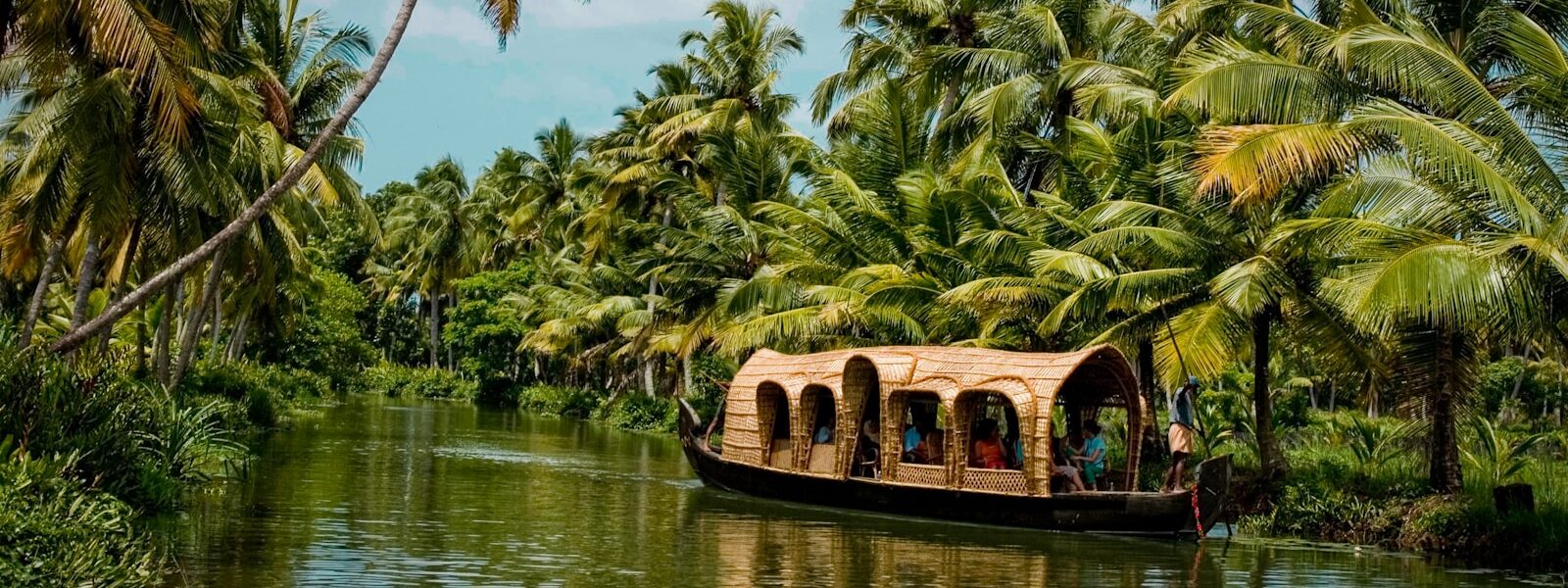
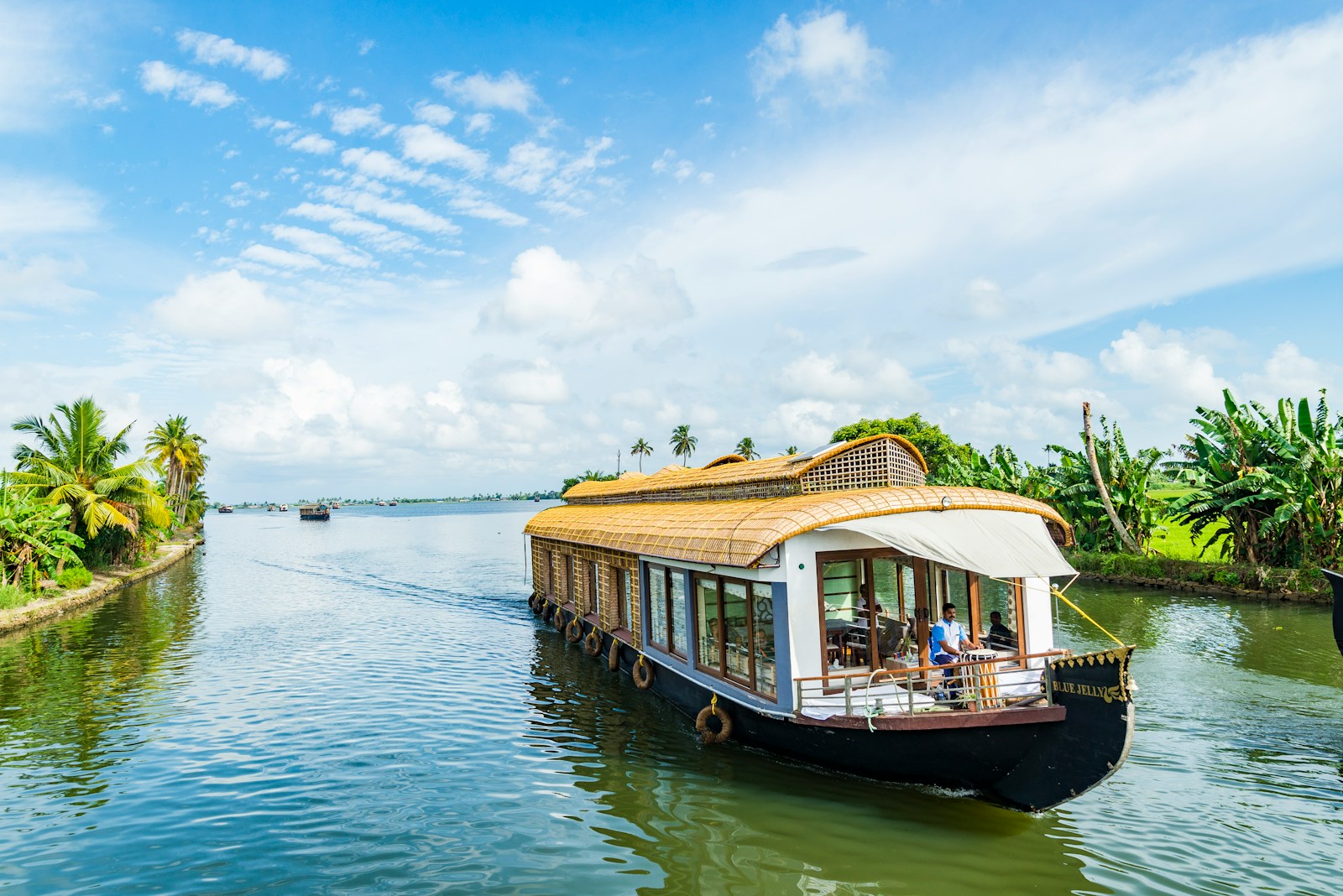
Tourism in Kerala is diverse—families can enjoy peaceful houseboat cruises along Alleppey’s backwaters, honeymooners find romance amid Munnar’s tea gardens, and adventure seekers trek through Wayanad’s forests or try water sports along Kovalam’s shores. Ayurveda and wellness retreats also attract visitors from around the world, making Kerala a hub for rejuvenation and holistic healing.

From authentic Kerala cuisine rich with coconut flavors to thrilling wildlife safaris in Periyar, the state promises a memorable experience for every kind of traveler. Whether you are seeking cultural immersion, natural beauty, or adventure, Kerala is an ideal destination that never disappoints.

How To Reach Kerala

  • By Air: Kerala has 4 international airports—Trivandrum, Kochi, Calicut, and Kannur. Flights from major Indian cities like Delhi, Mumbai, and Bangalore take about 2.5–4 hours.
  • By Train: Well-connected through Indian Railways, major stations include Ernakulam (Kochi), Trivandrum, and Kozhikode. Travel time from metros like Chennai or Bangalore is 10–14 hours.
  • By Road/Bus: State-run KSRTC and private buses connect Kerala to neighboring states. Road trips from Bangalore or Chennai take 10–12 hours.
  • Local Transport: Auto-rickshaws, taxis, and buses are common. For longer distances, trains and rental cars are recommended.

Tourist Attractions In Kerala

  • Alleppey Backwaters – Houseboat cruises through scenic canals and lagoons.
  • Munnar – Famous for lush tea gardens and mountain vistas.
  • Kochi Fort – Colonial history, multicultural streets, and spice markets.
  • Kovalam Beach – Iconic crescent beaches and vibrant nightlife.
  • Periyar Wildlife Sanctuary – Tiger reserve and lake safari in Thekkady.
  • Athirapally Waterfalls – Majestic falls in a dense rainforest setting.
  • Padmanabhaswamy Temple – Ancient temple of immense cultural and religious significance.
  • Thekkady (Periyar National Park) – Famous for wildlife safaris and boating.
  • Wayanad – Known for wildlife, waterfalls, and spice plantations.

Things To Do In Kerala

  • Adventure: Houseboat cruising, trekking in Munnar, paragliding in Vagamon, bamboo rafting in Periyar.
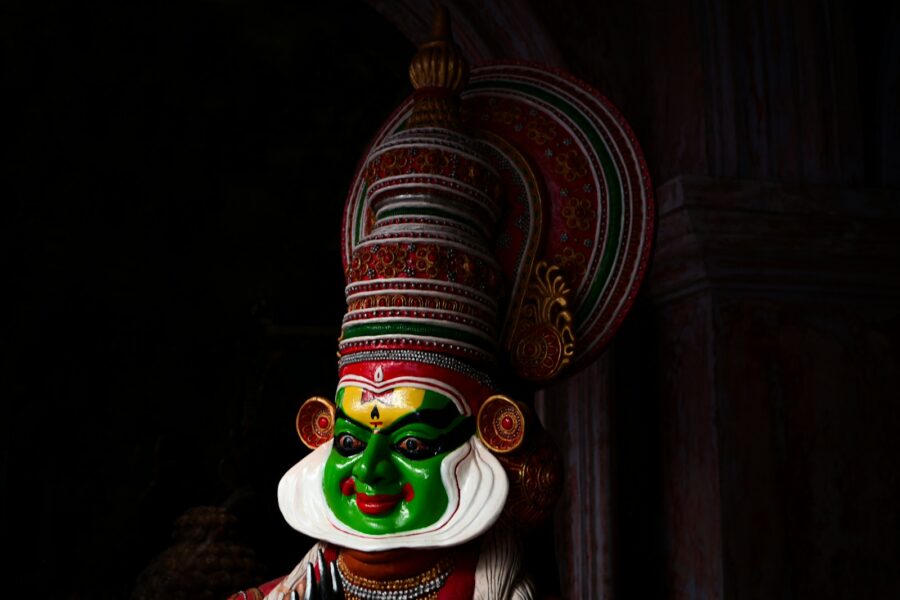
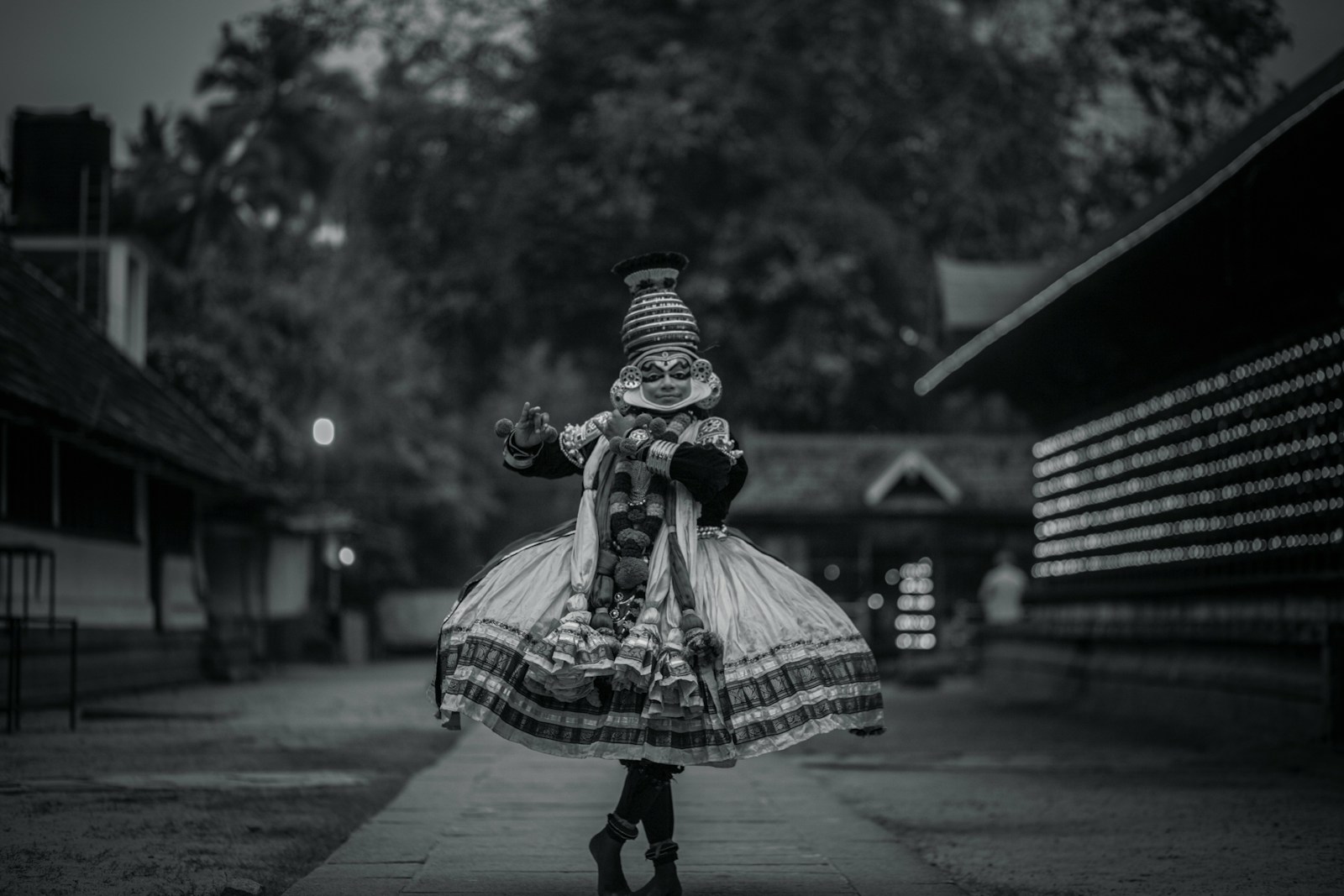
  • Cultural: Kathakali dance shows, temple festivals, spice plantation tours, village visits.
  • Nature: Birdwatching in Kumarakom, tiger spotting in Thekkady, waterfall tours, relaxing on Varkala Beach.
  • Relaxation: Ayurvedic spas, yoga retreats, enjoying backwaters in Alleppey.
  • Shopping: Buy Kerala sarees, spices, tea, handicrafts from local markets.
  • Nightlife: Explore beach cafés in Kovalam, rooftop bars in Kochi, live music venues.

Best Time To Travel

  • Winter (October to March) – Best season with pleasant weather for sightseeing, houseboat stays, and beach holidays.
  • Summer (April to June) – Hot and humid but ideal for hill stations like Munnar and Wayanad.
  • Monsoon (July to September) – Lush greenery and discounted stays; great for Ayurveda and photography.
  • Festive season (August–September, Onam) brings cultural highlights but crowds.
  • Off-season travel offers lower prices and greener scenery; peak season ensures best weather for vacations.

Events & Precautions

  • Major events: Onam harvest festival, Thrissur Pooram, Nehru Trophy Boat Race.
  • Precautions: Plan for large festival crowds, book accommodations early, and keep valuables secure in busy areas.
  • During monsoon, check updates on transport and local advisories.

Useful Travel Tips

  • Transport: Use government ferries and prepaid taxis for safety; local buses and autos are widely available.
  • Currency: Indian Rupees; ATMs and digital payment widely available.
  • Accommodation: Range from luxury resorts to budget homestays; advance booking recommended in peak season.
  • Internet: Good coverage in cities/towns; rural and hill areas may have limited access.
  • Language: Malayalam, English, and Hindi are commonly spoken.
  • Sustainable Travel: Carry reusable bottles, avoid plastic, support local eco-friendly initiatives.
  • Health & Wellness: Try authentic Ayurvedic massages; stay hydrated, use mosquito repellents.
  • Packing Essentials: Lightweight clothes, rain gear (monsoon), sunscreen, comfortable shoes.
  • Connectivity: Buy Indian SIM cards for best coverage; Wi-Fi available in most hotels.
  • Local Etiquette: Dress modestly at religious sites, respect local customs; remove shoes before entering homes and temples.
  • Shopping Guide: Kerala sarees, spices, tea, and wooden crafts make excellent souvenirs.

Things Not To Do / Avoid

  • Do not litter beaches, backwaters, or forests; maintain eco-friendly habits.
  • Avoid showing disrespect during temple rituals or festivals.
  • Be cautious in crowded areas; avoid street vendors selling unregulated food.
  • Do not swim during heavy monsoons or unsafe tides at beaches.
  • Avoid trespassing in wildlife reserves beyond marked trails.

Things To Remember

  • Pack rain gear in monsoon, lightweight cotton in summer, and layers for hill stations.
  • Keep emergency medicines, insect repellent, and personal identification handy.
  • Emergency numbers: Police (100), Fire & Rescue (101), Ambulance (108) or one Unified No. (112)
  • Download Kerala Tourism app for real-time help and updates.

Suggested Itinerary

3-Day Itinerary 

  • Day 1: Arrive in Kochi, visit Fort Kochi, and overnight in city.
  • Day 2: Houseboat cruise in Alleppey backwaters, village walks.
  • Day 3: Day trip to Munnar, explore tea gardens, depart.

5-Day Itinerary

  • Day 1: Arrival, Fort Kochi sightseeing.
  • Day 2: Travel to Munnar, visit Eravikulam National Park.
  • Day 3: Head to Thekkady for Periyar Wildlife Sanctuary.
  • Day 4: Alleppey houseboat stay, canal cruise.
  • Day 5: Varkala Beach relaxation, departure.

7-Day Itinerary

  • Day 1: Kochi arrival, city sightseeing.
  • Day 2: Munnar tea estates and parks.
  • Day 3: Eravikulam trek, overnight in Munnar.
  • Day 4: Thekkady wildlife safari, spice markets.
  • Day 5: Backwater experience in Alleppey.
  • Day 6: Kumarakom bird sanctuary, village tour.
  • Day 7: Varkala Beach or Kovalam, shopping, farewell.

Nearby Destinations For Trip Extension

  • Coorg (420 km): Misty hills and coffee estates; accessible by road (7–8 hours).
  • Kanyakumari (310 km): Southern tip’s sunrise, temples, and beaches; 5–6 hours by car/train.
  • Madurai (320 km): Famous for Meenakshi Temple and heritage walks; 5–6 hours by train.
  • Ooty (270 km): Colonial charm, botanical gardens, and hill station vibes; 6–7 hours.
  • Rameswaram (450 km): Spiritual town with iconic bridge and temples; 8–9 hours by train.
  • Mysuru (350 km): Royal palaces, cultural heritage, and vibrant markets; 7–8 hours by road.
  • Kodaikanal (320 km) – Serene lakes and valleys, accessible by road (8 hrs).
  • Pondicherry (530 km) – French colonial charm, reachable by train or overnight bus (12–13 hrs).

Trip Extension Tip: Combine Kerala with these nearby gems for a diverse itinerary spanning hills, heritage, spirituality, and coastal beauty.

Must Try – For Foodies

Indian Veg

  • Saravana Bhavan (Kochi) – Famous for South Indian meals (@approx. ₹150–300 per person)
  • Arya Bhavan (Thiruvananthapuram) – Known for Kerala Sadya (@approx. ₹200–350 per person)
  • Sree Krishna Inn (Ernakulam) – Vegetarian thali and dosas (@approx. ₹150–250 per person)

Indian Non-Veg

  • Paragon Restaurant (Kozhikode) – Malabar biryani and seafood (@approx. ₹250–500 per person)
  • Rahmath Hotel (Kozhikode) – Popular for Kerala beef fry (@approx. ₹200–400 per person)
  • Kayees Rahmathulla Cafe (Kochi) – Known for mutton biryani (@approx. ₹250–450 per person)

Local Cuisine

  • Shala Restaurant (Fort Kochi) – Authentic Kerala dishes (@approx. ₹300–600 per person)
  • Dhe Puttu (Kochi) – Specializes in puttu varieties (@approx. ₹250–450 per person)
  • Mothers Veg Plaza (Trivandrum) – Renowned for traditional Sadya (@approx. ₹200–400 per person)

International Cuisines

  • Kashi Art Café (Fort Kochi) – Continental dishes & art vibe (@approx. ₹300–700 per person)
  • Fusion Bay (Kochi) – Seafood and fusion cuisine (@approx. ₹400–800 per person)
  • Loafers Corner Café (Fort Kochi) – Pizzas, pasta, and snacks (@approx. ₹250–600 per person)

Additional Information

Frequently Asked Questions

Yes, Kerala is widely considered safe with a low crime rate and tourist-friendly infrastructure. Standard travel precautions—like avoiding isolated areas at night—are always advised.

It's recommended to drink bottled or filtered water to avoid potential health issues. Most hotels and restaurants provide safe drinking water.

Yes, public transport in Kerala is robust and safe, with frequent buses, trains, and ferries. Expect crowding during peak hours and book ahead for long journeys.

Absolutely! Kerala cuisine has rich vegetarian options and most restaurants cater to vegan preferences—just ask the staff for guidance.

Kerala has excellent medical care, including hospitals and clinics in all cities and tourist centers. Carry a basic first-aid kit and any prescription medicines

Yes, Kerala’s Responsible Tourism program promotes certified eco-friendly houseboats and tours; look for government accreditation when booking.

Respect dress codes at religious sites, remove shoes before entering temples/homes, seek permission before photographing people, and avoid public displays of affection.

Polite bargaining is accepted for handicrafts and souvenirs, but always value artisans’ time and skill—especially in village cooperatives or government emporiums.

Monsoon (June–September) brings scenic beauty but can cause floods/landslides in hilly areas; always check weather forecasts and advisories before outdoor trips.

Yes, English is widely understood in tourist areas, along with Malayalam. Learning a few local phrases can enhance your experience.