Lahaul-Spiti Valley: A high-altitude Himalayan desert of monasteries, treks, and adventure.
(Lahaul-Spiti Valley – Himachal Pradesh, India)
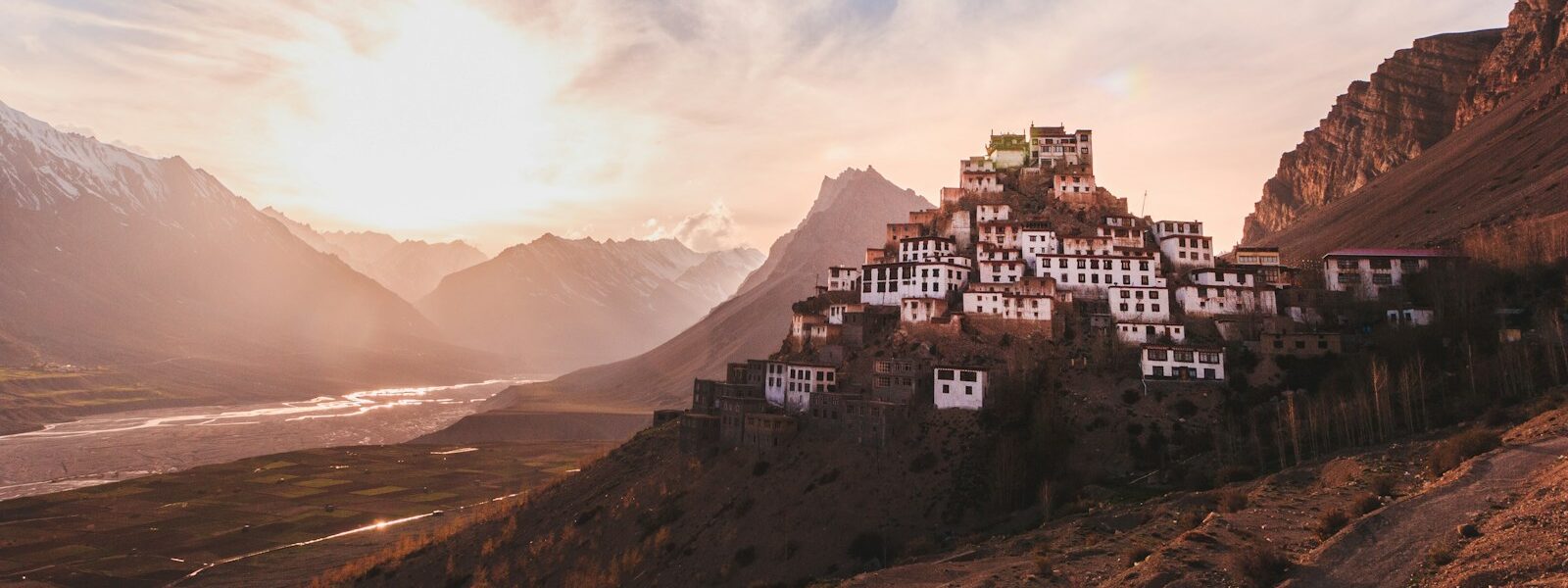
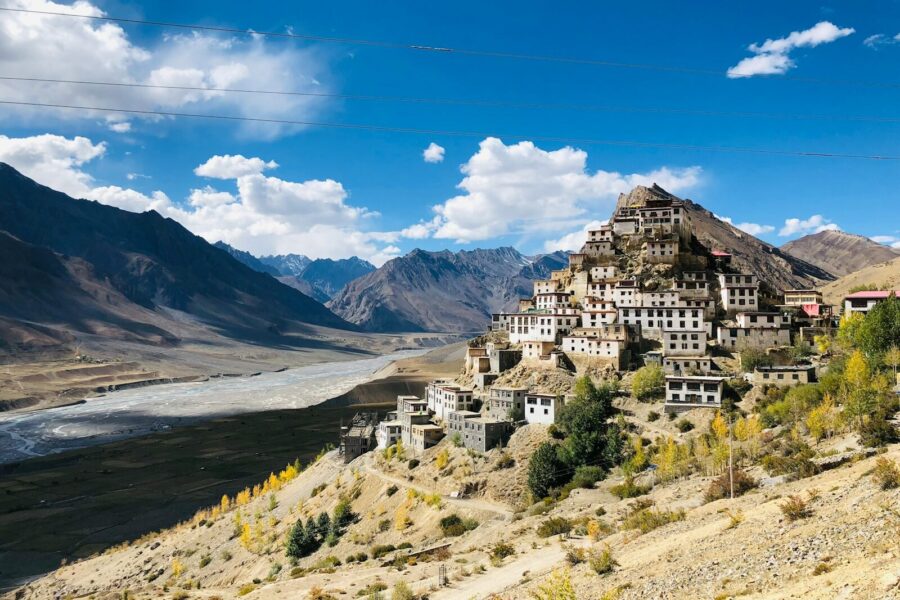
Spiti-High Altitude Desert Scene
Lahaul-Spiti, located in Himachal Pradesh, is one of the most breathtaking regions in India, known for its stark landscapes, high-altitude deserts, and ancient monasteries. This remote valley lies at an average elevation of over 10,000 feet, making it a dream destination for adventure travelers, trekkers, bikers, and culture enthusiasts. The region is a blend of rugged Himalayan beauty and Tibetan Buddhist traditions, reflected in iconic monasteries like Key, Dhankar, and Tabo, which are also important cultural and spiritual landmarks.
The cold desert of Spiti and the green valleys of Lahaul together create a unique travel experience. Spiti is known for its moon-like terrain and high-altitude lakes such as Chandratal, while Lahaul charms visitors with snow-capped peaks and pristine rivers.
Lahaul-Spiti tourism is not just about sightseeing but also about experiencing the simplicity of local life, engaging with warm villagers, and immersing in spirituality. Families, couples, backpackers, and solo travelers alike find this destination rewarding. Whether you’re planning a holiday for adventure, cultural immersion, or photography, Lahaul-Spiti offers an unforgettable trip filled with Himalayan charm.
How To Reach Lahaul-Spiti
By Air: Closest airports are Kullu-Manali (Bhuntar) and Chandigarh; onward drive to Kaza typically 8–10 hours from Manali side via Atal Tunnel and Kunzum (seasonal), or 2 days via Shimla–Kinnaur.
By Train: Nearest major railheads are Chandigarh/Kalka; continue by overnight Volvo to Manali or Shimla, then connect by taxi/HRTC bus to Kaza (full-day drive).
By Bus/Car: Lahaul-Spiti is accessible by two routes:
– From Manali via Rohtang Pass and Kunzum Pass (open June–October, 200 km, 8–10 hours).
– From Shimla via Kinnaur Valley (open year-round except heavy snowfall, 420 km, 2–3 days with halts).
(Important Safety Tip): Roads are narrow with rockfall zones; carry cash, fuel up early, keep an extra day for weather, and avoid night driving in high sections.
Tourist Attractions In Lahaul-Spiti
Key Monastery – Spiti’s largest gompa and a renowned learning center with sweeping valley views.
Tabo Monastery – “Ajanta of the Himalayas” famed for ancient murals and monastic art.
Dhankar Monastery – Cliff-top monastery with historic murals and dramatic vistas.
Pin Valley National Park – High-altitude park home to ibex and elusive snow leopards.
Chandratal Lake – Crescent-shaped alpine lake known for camping and night skies.
Kardang Monastery – Major Lahaul gompa near Keylong with rich library and heritage.
Tangyud Monastery – One of India’s highest gompas perched above a canyon near Komic.
Kunzum Pass – High mountain pass connecting Lahaul and Spiti.
Kaza – Main town of Spiti, known for markets and local culture.
Things To Do In Lahaul-Spiti
High-altitude trekking (Pin–Parvati, Spiti valley day hikes) and camping by Chandratal.
Mountain biking on rugged routes and scenic passes.
Monastery circuits (Key, Tabo, Dhankar, Tangyud), meditation sessions, and thangka art workshops.
Wildlife spotting in Pin Valley and fossil walks around Langza.
Sunrise/sunset viewpoints over Spiti river terraces.
Slow travel in homestays, tea with locals, and stargazing in low-light villages.
Handwoven woolens, thangkas, prayer flags, seabuckthorn products from Kaza markets.
Quiet cafes in Kaza and campfire evenings; minimal late-night scene by design.
Best Time To Travel
May–October: Best season with open roads via Manali and Shimla; suitable for road trips, trekking, and full sightseeing access.
November–April: Harsh winter, Shimla route may remain open, but many roads and services are limited; for experienced travelers only.
Summer brings milder climate and festivals; shoulder months mean fewer crowds but colder nights; winter offers solitude and snowbound vistas with logistical challenges.
Travel tip: June–September is the most recommended time for first-time visitors, while experienced travelers may enjoy winter expeditions.
Events & Precautions
Major events: Losar (Tibetan New Year/halda), Ladarcha fair, monastery festivals with Cham dances across the valley. Spiti Gustor Festival (Key Monastery) in July.
Precautions: Acclimatize slowly, hydrate, use sun protection, and carry backup supplies; check pass status (Kunzum) and avoid night drives during rockfall or snowfall alerts.
– Carry medicines, warm clothes, and avoid overexertion.
– Roads are narrow and landslides common in monsoon. Travel with caution.
Useful Travel Tips
Transport & Money: Sparse fuel/ATMs—carry cash and refuel in Kaza/Keylong; pre-book taxis or HRTC seats for long hops.
Stays & Food: Guesthouses and homestays dominate; book in advance for summer; simple menus, carry snacks for long stretches.
Connectivity: Jio/Airtel patchy outside Kaza; download offline maps and keep power banks ready.
Sustainable Travel: Pack out all waste, avoid plastic bottles, and respect fragile high-altitude ecosystems.
Health & Wellness: Follow altitude protocols; consider acetazolamide after medical advice; dress in layers for wide day–night swings.
Packing Essentials: Thermals, windproof jacket, high SPF, sunglasses, sturdy shoes, headlamp, and basic meds.
Etiquette: Dress modestly in monasteries, ask before photos, and stay silent in prayer halls.
Shopping Guide: Choose local artisan co-ops for woolens and thangkas; verify quality and fair pricing at Kaza outlets.
Things Not To Do / Avoid
Don’t litter, disturb wildlife, or pick fossils; fines and cultural harm can result.
Avoid driving post-sunset on mountain roads and crossing water crossings late in the day.
Don’t disrespect monastic rules or enter restricted sections without permission.
Things To Remember
Always buffer an extra day for weather and road closures; keep copies of IDs and permits if venturing near sensitive areas.
Emergency contacts: Police 100, Ambulance 108; district portals list updated numbers—save local admin contacts before entering remote zones.
Useful sites: Himachal Tourism portal and district pages for advisories and pass updates.
Suggested Itinerary
3-Day Itinerary
Day 1: Arrival Kaza, acclimatization, Kaza market and Key Monastery sunset.
Day 2: Tabo and Dhankar monasteries, evening in Kaza cafes.
Day 3: Chandratal Lake excursion (seasonal), depart via Manali/Shimla routes.
5-Day Itinerary
Day 1: Reach Kaza, rest, local walk.
Day 2: Pin Valley National Park day trip, villages around Mud.
Day 3: Tabo Monastery and Gue mummy detour, back to Kaza.
Day 4: Dhankar Monastery and lake hike, evening at Key Monastery.
Day 5: Chandratal camp (seasonal) and exit.
7-Day Itinerary
Day 1: Kaza arrival and acclimatize.
Day 2: Key–Kibber–Chicham bridge circuit.
Day 3: Pin Valley exploration (Mud village).
Day 4: Tabo and Kalpa-side village detours (if routing via Kinnaur).
Day 5: Dhankar and Tangyud (Komic) monastery loop.
Day 6: Chandratal overnight camp (seasonal).
Day 7: Return via Manali/Shimla.
Nearby Destinations For Extended Trip
Keylong (115 km, Lahaul) – Gateway town with monasteries and river views; 4–5 hours by road via Atal Tunnel; refuel and acclimatize here.
Kalpa (210 km, Kinnaur) – Apple orchards and Kinnaur Kailash views; 7–8 hours by road; good mid-way halt on Shimla route.
Kaza–Kibber–Chicham Loop (20–40 km, Spiti) – High villages connected by the stunning Chicham bridge; half/full-day taxi circuit.
Reckong Peo (240 km, Kinnaur) – Transport hub with markets and views; 8–9 hours by road; useful for permits and breaks.
Sissu (80 km, Lahaul) – Lakeside strolls and waterfalls; 2–3 hours via Atal Tunnel from Manali side; scenic halt.
Nako (110 km, Kinnaur) – Lakeside village with monastery; 3–4 hours from Tabo; serene acclimatization stop.
Manali (200 km): Adventure hub with trekking and skiing. Taxi (8–9 hours).
Shimla (420 km): Colonial hill station with heritage and shopping. Taxi/Bus (12–14 hours).
Leh (450 km): Ladakh’s capital, accessible via high mountain passes (2 days journey).
Trip extension tip: Combine Lahaul-Spiti with Manali and Kinnaur for a Himalayan circuit holiday. In high season, pre-book vehicles and camps; carry cash, and track Kunzum/road advisories via district portals before committing to long drives.
German Bakery, Kaza – Fresh breads, cakes, and pizzas (@approx. ₹200–₹600).
Additional Information
Official portals: Himachal Tourism; Lahaul & Spiti district advisories and pass updates.
Emergency numbers: Police (100), Fire & Rescue (101), Ambulance (108) or one Unified No. (112); note local control room numbers posted at Kaza/Keylong.
Tourist Helpline: 1800-11-1363
Before departure: Check Kunzum/road status, fuel availability, and weather windows via district updates.
Frequently Asked Questions
Indian citizens usually don’t need permits for core routes, but certain border/village detours may require permissions; foreigners should carry valid visas and check ILP requirements
Yes, with slow acclimatization: ascend gradually, hydrate well, avoid alcohol, and plan rest days, especially on the Manali–Kaza route.
High ground clearance is strongly preferred; while sedans/hatchbacks have done the route, rough sections and water crossings make SUVs safer.
Fuel pumps are limited; top up at Manali, Kaza, and Keylong, and carry cash since card machines may not work reliably.
Jio/Airtel work mostly in Kaza with patchy coverage elsewhere; download offline maps and keep emergency contacts handy.
Yes, many villages run community homestays—book ahead for summer and expect basic, warm hospitality with simple meals.
Primary health centers exist in Kaza/Keylong; carry a personal first-aid kit and altitude meds after consulting a doctor.
Possible via Shimla-Kinnaur with local guidance; expect extreme cold, limited services, and frequent closures—only for experienced travelers.
Dress modestly, remove hats inside gompas, speak softly, and always ask before photographing monks and residents.
Strongly recommended for longer or high-pass treks (Pin–Parvati, glacier routes) for safety, navigation, and weather handling.
Need Assistance?
For any questions about Attraction bookings, please reach out to us via WhatsApp or call.