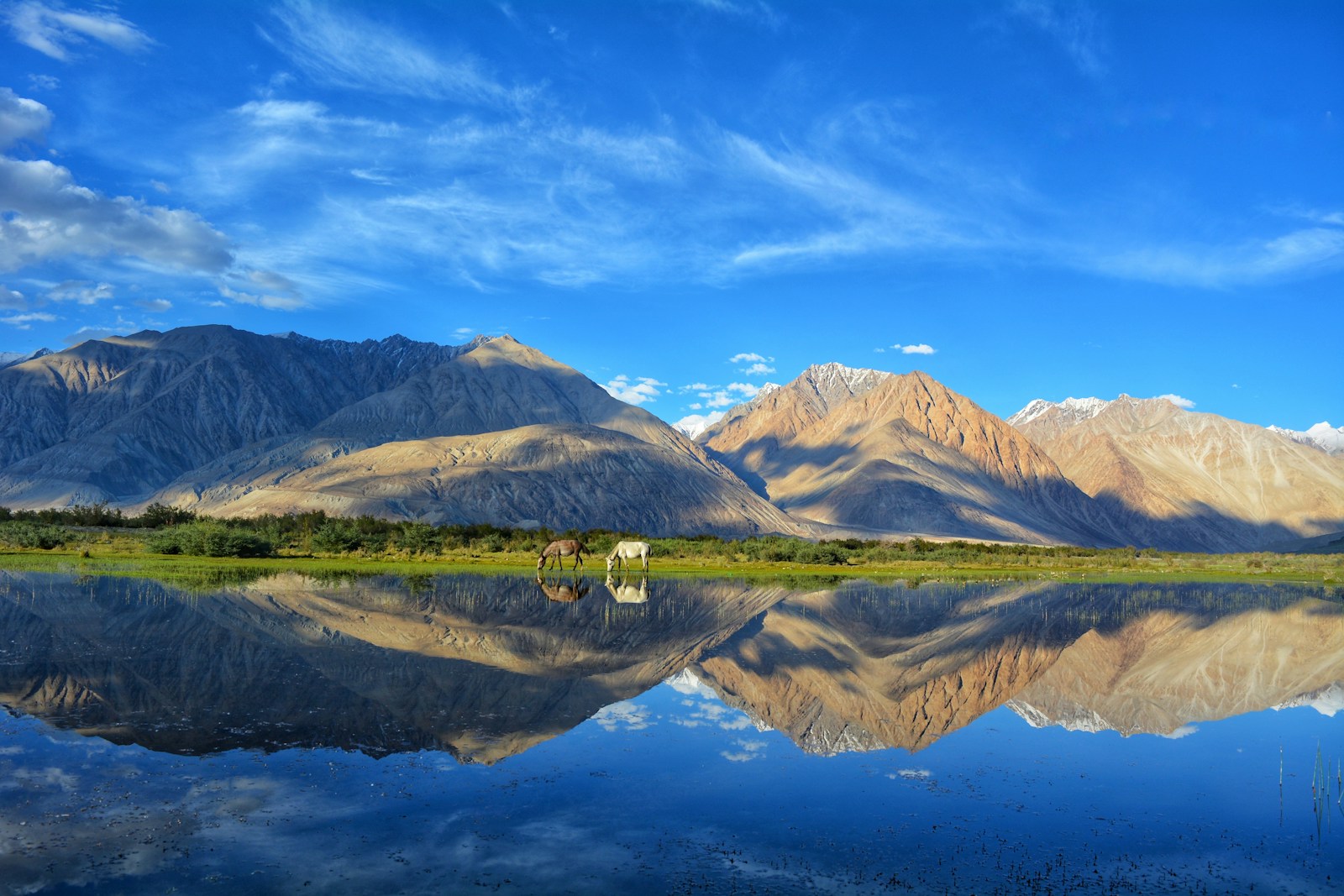
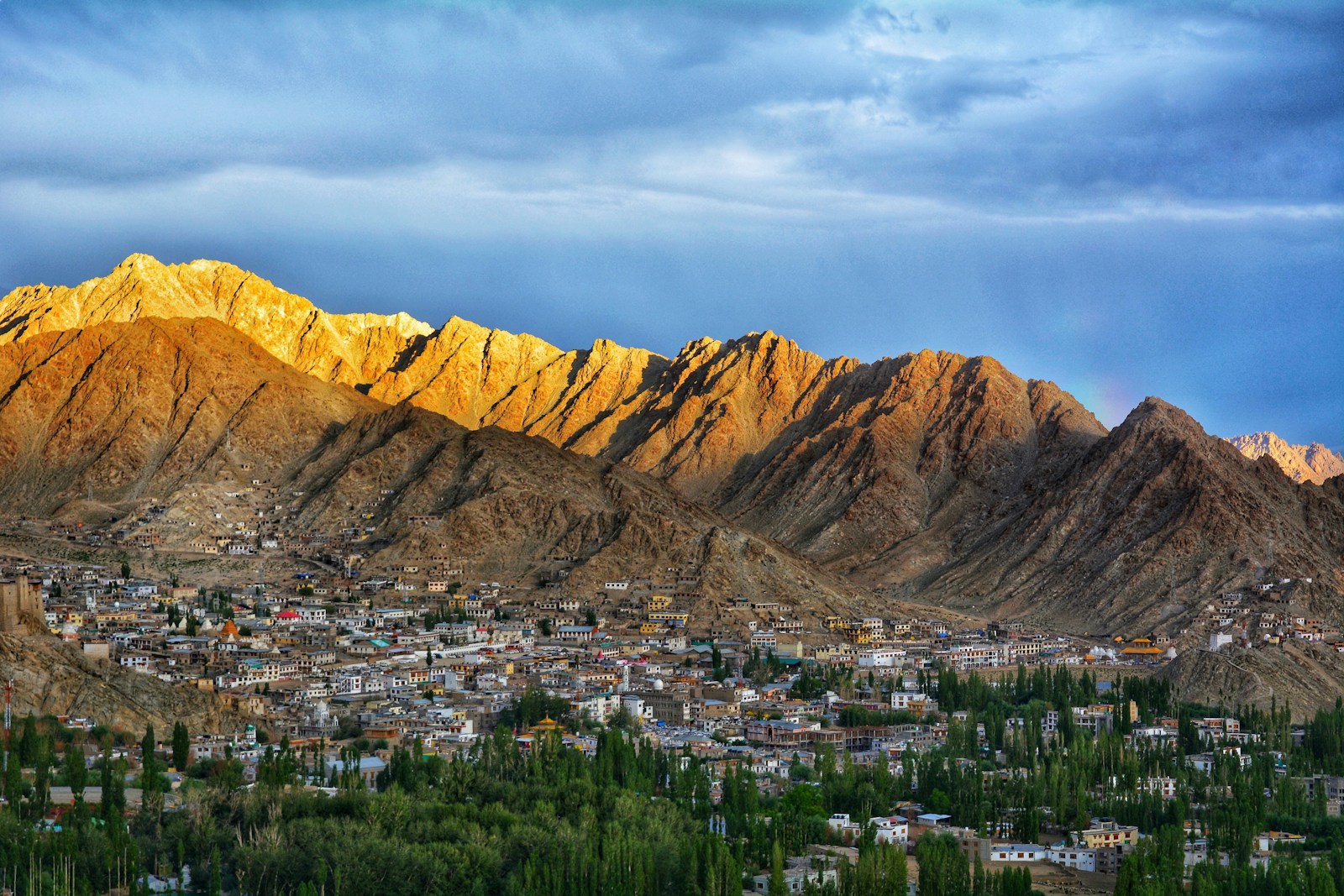
Leh-Ladakh, a captivating region in the Indian Himalayas, is a haven for adventure lovers and cultural enthusiasts alike. Renowned for its dramatic landscapes, ancient monasteries, and vibrant traditions, Leh-Ladakh tourism offers an unforgettable blend of natural beauty and spiritual calm. This destination serves as a unique travel guide for adventurers, families, couples, and backpackers planning holidays or vacations in high-altitude settings. With its rich Tibetan-Buddhist heritage, Leh-Ladakh stands out as a fascinating trip planner’s dream, offering experiences from trekking and river rafting to cultural festivals and serene lakesides. The stark deserts, towering mountain passes, and warm local hospitality make it an extraordinary place for sightseeing and outdoor exploration, promising a trip that is both thrilling and enriching.
How to reach Leh-Ladakh
By Air: The Leh Kushok Bakula Rimpochee Airport connects to major Indian cities such as Delhi and Srinagar with approximately 1.5-hour flights.
By Road: Two popular routes include Srinagar-Leh (~20-24 hours via bus or taxi, ~420 km) and Manali-Leh (~15-18 hours by road, ~474 km), both offering breathtaking mountain views but subject to seasonal road closures.
By Train: The nearest railway stations are Jammu Tawi and Pathankot, about 700-800 km away, requiring onward road travel.
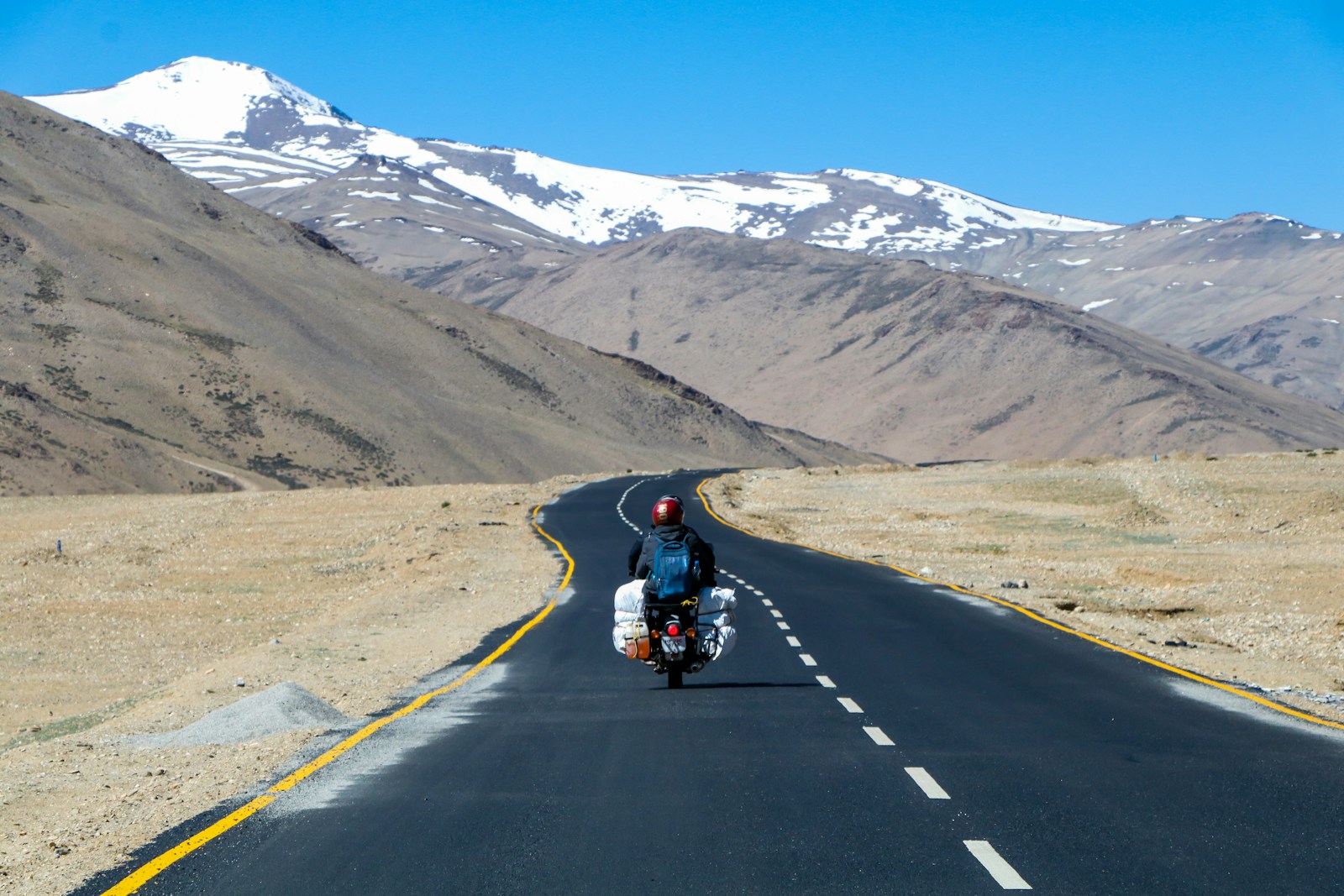
Local Transport: Prepaid taxis, shared cabs, or bike rentals are common for getting around Leh; caution is advised due to rugged roads and high altitudes.
Tourist attractions in Leh-Ladakh
Leh Palace – 17th-century royal palace with panoramic views of Leh town.
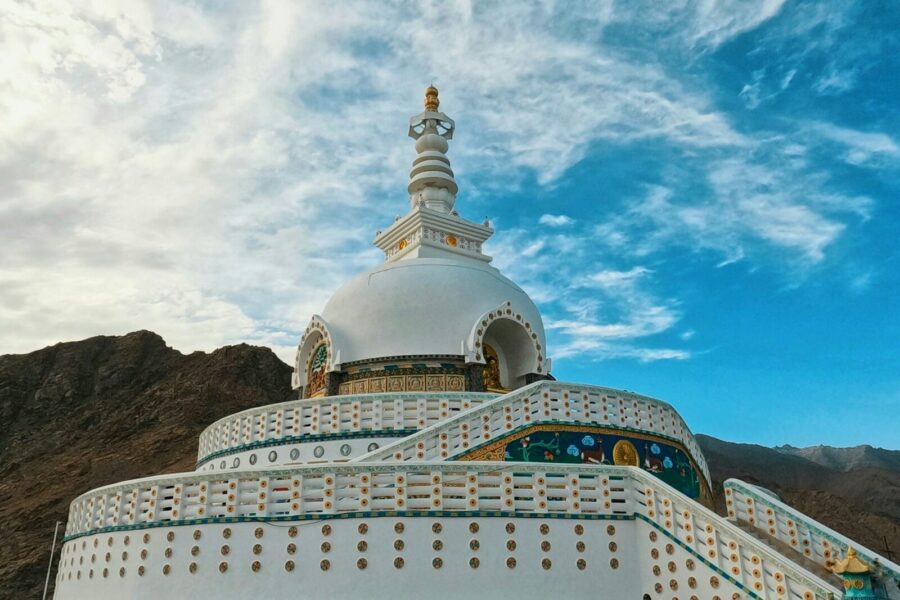
Shanti Stupa – Iconic white-domed Buddhist monument offering spectacular sunrise and sunset views.
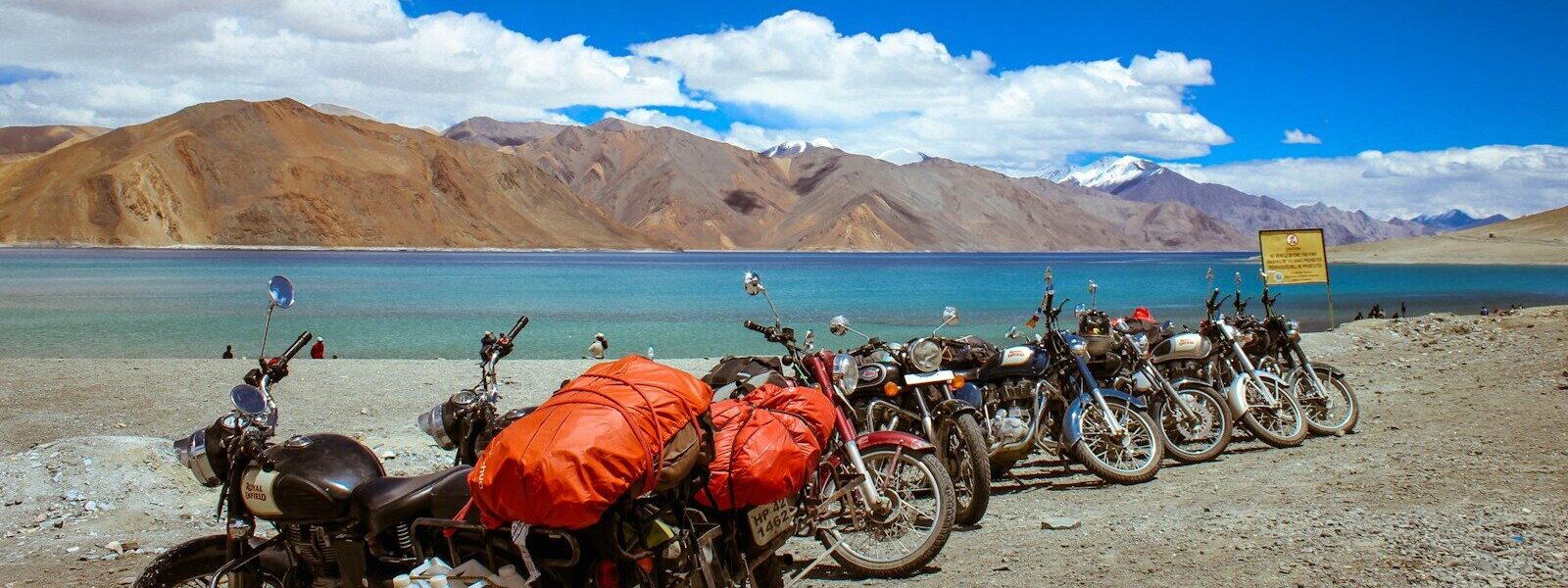
Pangong Lake – Famous for striking blue waters that change hue.
Khardung La – One of the highest motorable passes in the world, popular among thrill-seekers.
Nubra Valley – Known for its sand dunes, camel safaris, and Diskit Monastery.
Magnetic Hill – Natural phenomenon creating optical illusions of gravity-defying movement.
Hemis Monastery – Largest monastery in Ladakh, hosting vibrant festivals.
Adventure: Trek through Markha Valley, raft on Zanskar River, bike across mountain passes, camel safari in Nubra Valley, and paraglide over picturesque landscapes.
Cultural: Explore local monasteries, attend traditional festivals like Hemis, experience homestays, and learn about Tibetan-Buddhist culture.
Nature: Camp by Pangong and Tso Moriri lakes, bird watching, wildlife spotting, and night sky stargazing in the clear Himalayan air.
Relaxation: Enjoy herbal spa treatments, meditate in serene monasteries, and savor local teas in cozy cafes.
Shopping: Shop for Pashmina shawls, Tibetan handicrafts, and dried apricots at Leh Market.
Nightlife: Experience bonfire gatherings at campsites and local folk music events in cozy cafes.
Best time to travel Leh-Ladakh
June to September: Best weather with clear skies, accessible roads, and vibrant festivals; ideal for most activities.
October to March: Prepare for harsh winters; perfect for snow trekking (Chadar Trek) and solitude seekers.
Monsoon Season: July-August brings occasional rains and less crowded trails but some routes may be slippery or closed.
Tip: Festivals like the Hemis Festival in June enhance cultural travel experiences. Traveling in summer ensures favorable climate and extended daylight.
Events & precautions
Remarkable events include the colorful Hemis Festival, Ladakh Festival, and Losar (Tibetan New Year).
Travelers should acclimatize for 1-2 days post-arrival to avoid altitude sickness, dress warmly in layers, avoid dehydration, and respect local customs and environment.
Carry local currency as ATM facilities are limited; stay hydrated and avoid alcohol while acclimatizing.
Travel responsibly by minimizing plastic usage, respecting local traditions, and choosing eco-friendly accommodations to preserve Leh-Ladakh’s fragile ecosystem.
Useful travel tips for Leh-Ladakh
Carry sufficient cash in Indian Rupees; digital payments may be limited.
Obtain Inner Line Permits (ILP) for restricted areas such as Nubra Valley and Pangong Lake.
Pack layers including thermal wear, waterproof jackets, UV-protection sunglasses, and essential medicines for a comfortable journey.
Learn basic Ladakhi or Tibetan greetings to enhance local interactions.
Use offline maps or GPS apps due to patchy network coverage.
Choose accommodations early, especially during peak seasons.
Important – Health Tip: Incorporate gentle yoga and meditation for mental clarity and physical wellness during your stay. Stay hydrated and avoid strenuous activity for the first 48 hours.
Always remove shoes before entering monasteries, dress modestly, and ask permission before photographing locals.
For souvenirs Leh Market is your go-to for authentic Pashmina shawls, Tibetan jewelry, and handwoven carpets.
Things not to do / Avoid
Do not rush acclimatization; altitude sickness is common.
Avoid littering and support sustainable tourism practices.
Never enter restricted military areas—these are strictly off-limits.
Respect religious sites and follow monastery rules.
Avoid swimming in glacial lakes due to freezing temperatures.
Do not rely solely on mobile connectivity for navigation.
Things to remember
Pack sunglasses, sunscreen, lip balm, and warm clothing.
Carry medications for altitude sickness and basic first aid.
Keep the emergency numbers handy.
Download emergency and tourism apps before arrival for quick assistance.
BSNL and Jio provide the best mobile coverage in Leh; buy SIM cards beforehand or on arrival. Wi-Fi is limited but available in many hotels.
Suggested itinerary
3-Day Itinerary
Day 1: Arrival, acclimatization, visit Shanti Stupa and Leh Palace.
Day 2: Visit Magnetic Hill, Gurudwara Pathar Sahib, and Leh Market.
Day 3: Day trip to Pangong Lake, return to Leh.
5-Day Itinerary
Day 1: Arrival and local sightseeing (Shanti Stupa, Leh Palace).
Day 2: Leh to Nubra Valley, Diskit Monastery, and Hunder sand dunes.
Day 3: Nubra to Pangong Lake via Shyok route with camping.
Day 4: Return to Leh, visit Hemis and Thiksey Monasteries.
Day 5: Departure.
7-Day Itinerary (Popular)
Day 1: Arrival, acclimatization, local sightseeing.
Day 2: Journey to Nubra Valley, camel safari and monastery visits.
Day 3: Visit remote Turtuk village near Pakistan border.
Day 4: Travel to Pangong Lake, overnight camping.
Day 5: Return to Leh via Changla Pass, visit monasteries.
Day 6: Excursion to Tso Moriri Lake and Korzok Village.
Day 7: Return to Leh, shopping, and departure.
Nearby destinations for extended trip
Kargil (216 km) – Historic town with stunning Himalayan views; accessible by road (4-5 hours).
Spiti Valley (230 km) – Striking cold desert landscapes and monasteries; jeep accessible (~7 hours).
Drass (271 km) – Known as one of the coldest inhabited places; 5-6 hours drive from Kargil.
Alchi (66 km) – Ancient monasteries and quiet village life; 2-hour drive from Leh.
Tso Moriri Lake (220 km) – Remote high-altitude lake with abundant wildlife; 6-7 hours by jeep.
Hunder (in Nubra Valley) – Famous for Bactrian camels and impressive sand dunes.
Tip: Plan extra days for travel and changing road conditions; ensure vehicle readiness for high-altitude terrain.
Must try – for foodies
Indian Veg:
Gesmo Restaurant (Indian/Continental; @₹150-300 per person); highly rated on Tripadvisor and Zomato.
Neha Snacks (North Indian street food; @₹100-250 per person); popular local choice.
Indian Non-Veg:
Tibetan Kitchen (Tibetan & Indian non-veg; @₹300-500); authentic ethnic dishes.
Bon Appetit (Grilled meats and Indian dishes; @₹250-600); good reviews on Google.
Local Cuisine:
Dzomsa (Ladakhi dishes, momos, thukpa; @₹80-250); top on Tripadvisor.
Ladakhi Kitchen (traditional skyu, paba; @₹200-400); frequented by travelers.
Other International:
Chopsticks Noodle Bar (Chinese, Thai; @₹300-600); popular cafe.
Leh Café (Continental and bakery; @₹250-400); relaxed atmosphere and local favorite.



 6N/7D
6N/7D 4.5 (Excellent)