Malaysia is a compact, multicultural Southeast Asian nation that packs city skylines, colonial towns, tropical islands and some of the world’s oldest rainforests into an easy-to-navigate country. Its two main regions — Peninsular Malaysia (Kuala Lumpur, Penang, Langkawi, Cameron Highlands, Malacca) and East Malaysia on Borneo (Sabah and Sarawak) — give travelers very different experiences: urban shopping and hawker cuisine on the west coast, and wildlife, diving and jungle treks on Borneo.
Common search terms like “Malaysia travel,” “Kuala Lumpur itinerary,” “Penang street food,” “Langkawi beaches,” and “Borneo wildlife tours” reflect the destination’s strengths. Malaysia is friendly to Indian travelers — direct flights from many Indian cities, widespread English use, and abundant Indian dining (Little India districts in major cities). It suits families (theme parks, beaches), couples (island resorts, romantic dinners), backpackers (cheap hostels, street food) and adventure seekers (diving in Perhentian/Redang, trekking Mount Kinabalu). Whether you want sampling nasi lemak at a hawker centre, trekking to a misty tea plantation, or spotting orangutans and proboscis monkeys, Malaysia’s variety — plus excellent transport links and affordable options — makes it a practical, rewarding holiday choice.
How To Reach Malaysia
By Air (Recommended)
Direct flights connect most Indian metros (Delhi, Mumbai, Bengaluru, Chennai, Hyderabad, Kochi, Kolkata) to Kuala Lumpur International Airport (KUL) and to Penang (PEN)/Langkawi (LGK) on some routes. Avg flight times: 3–6 hours depending on origin city. Airlines: Malaysia Airlines, AirAsia, IndiGo, Vistara, Malindo Air and others.
By Sea (Cruise Links)
Cruise options exist seasonally between Malaysia and regional ports (Singapore, Phuket), but not a standard choice from India for most travelers.
Overland / Train / Bus (Regional)
Overland is possible from Singapore / Thailand / Indonesia via bus or train but not practical from India. Within Malaysia, trains (KTM), buses and domestic flights (AirAsia, Malaysia Airlines) connect major hubs. Longer intercity bus/train rides: e.g., Kuala Lumpur → Penang ~4–5 hours by road; KL → Cameron Highlands ~4–5 hours by road.
Local Transfers & Tips
Domestic flights often save time for east-west travel (Peninsular → Borneo). Use ride apps (Grab) in urban areas. Safety tip: book licensed taxis or use app-based rides at night, and keep copies of your hotel address in Malay/English when taking local taxis.
Tourist Attractions In Malaysia
(Top / Best attractions — must-visit / sightseeing spots)
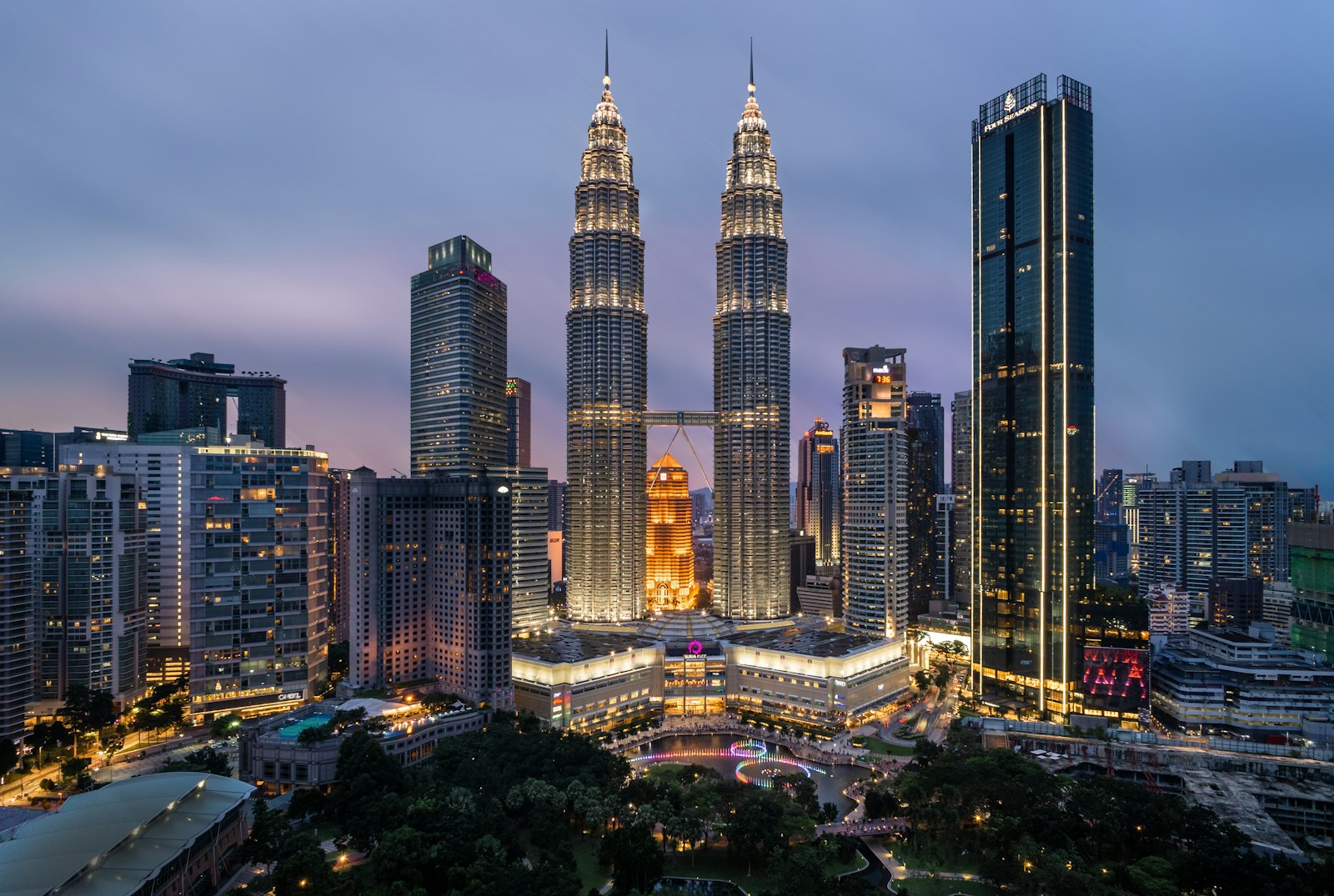
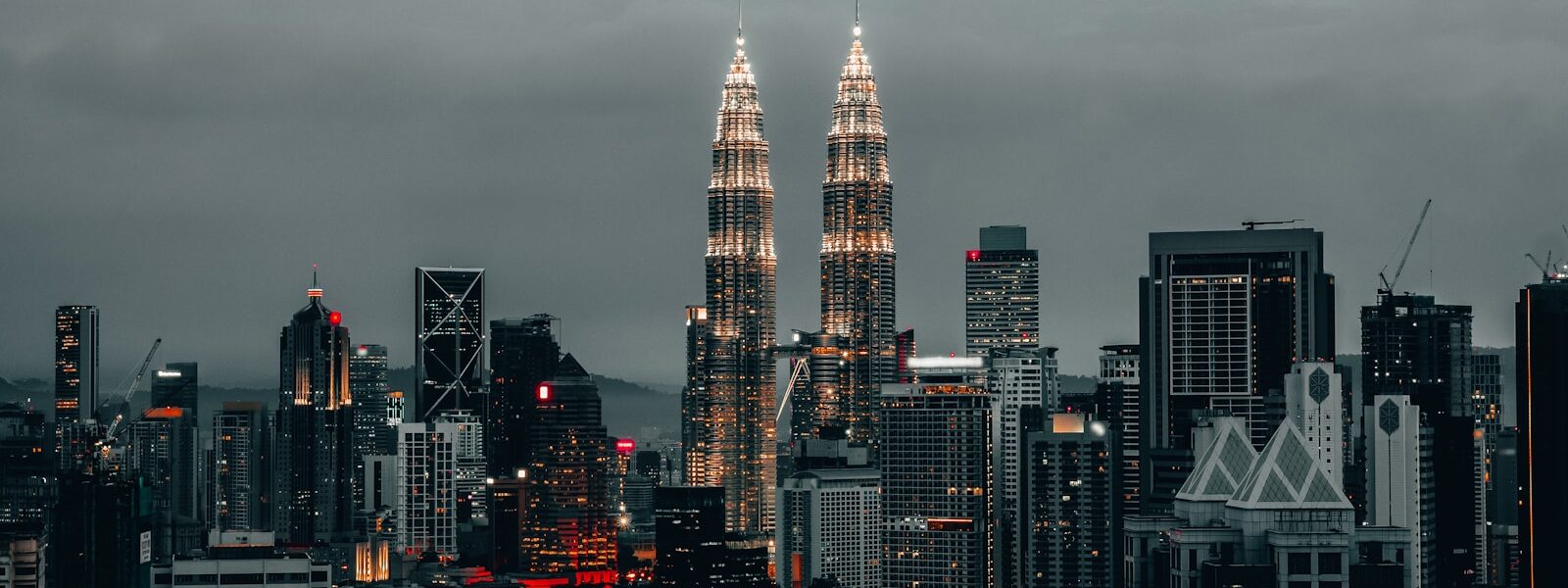
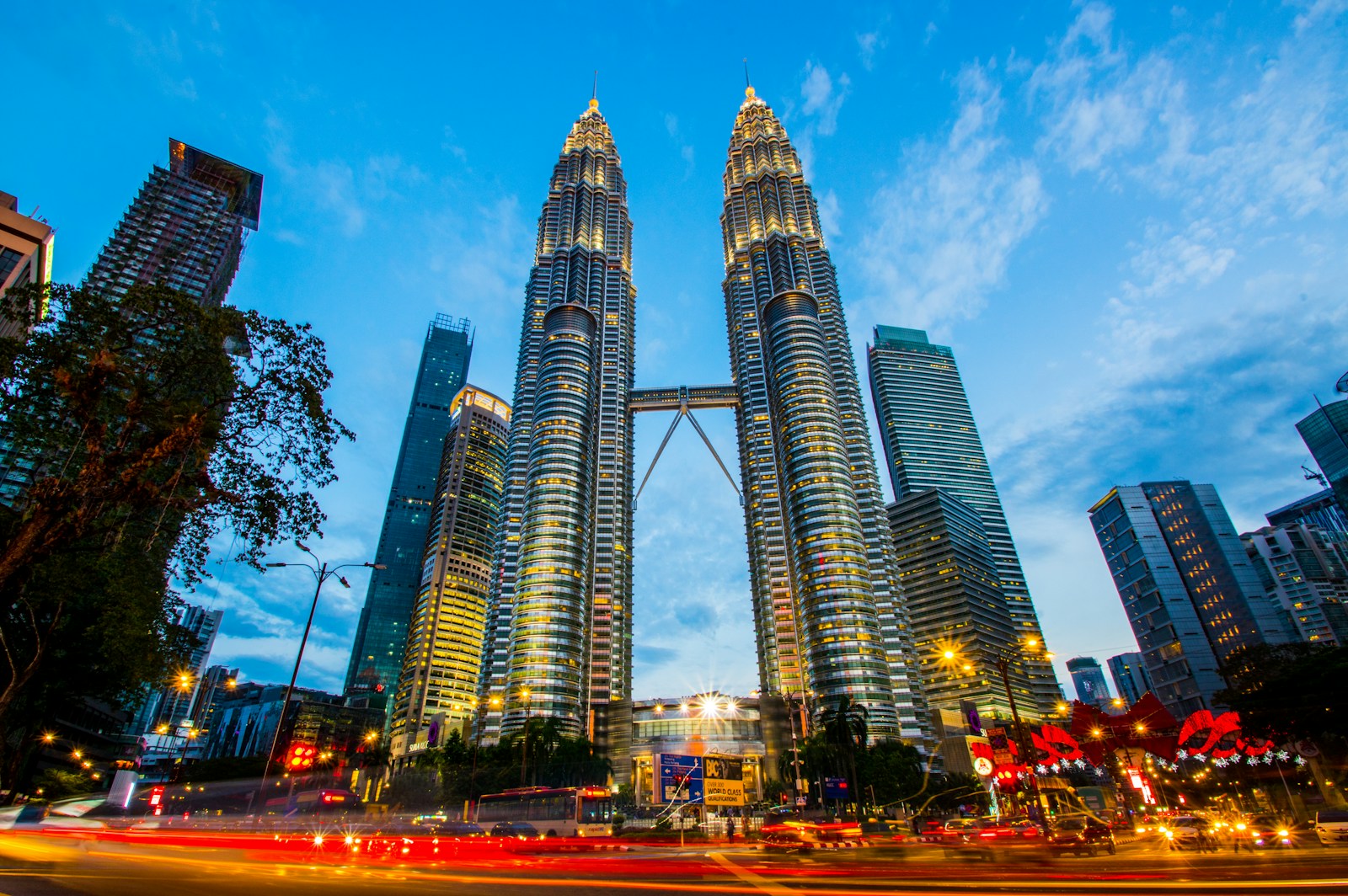
Petronas Twin Towers, Kuala Lumpur — iconic towers & observation deck.
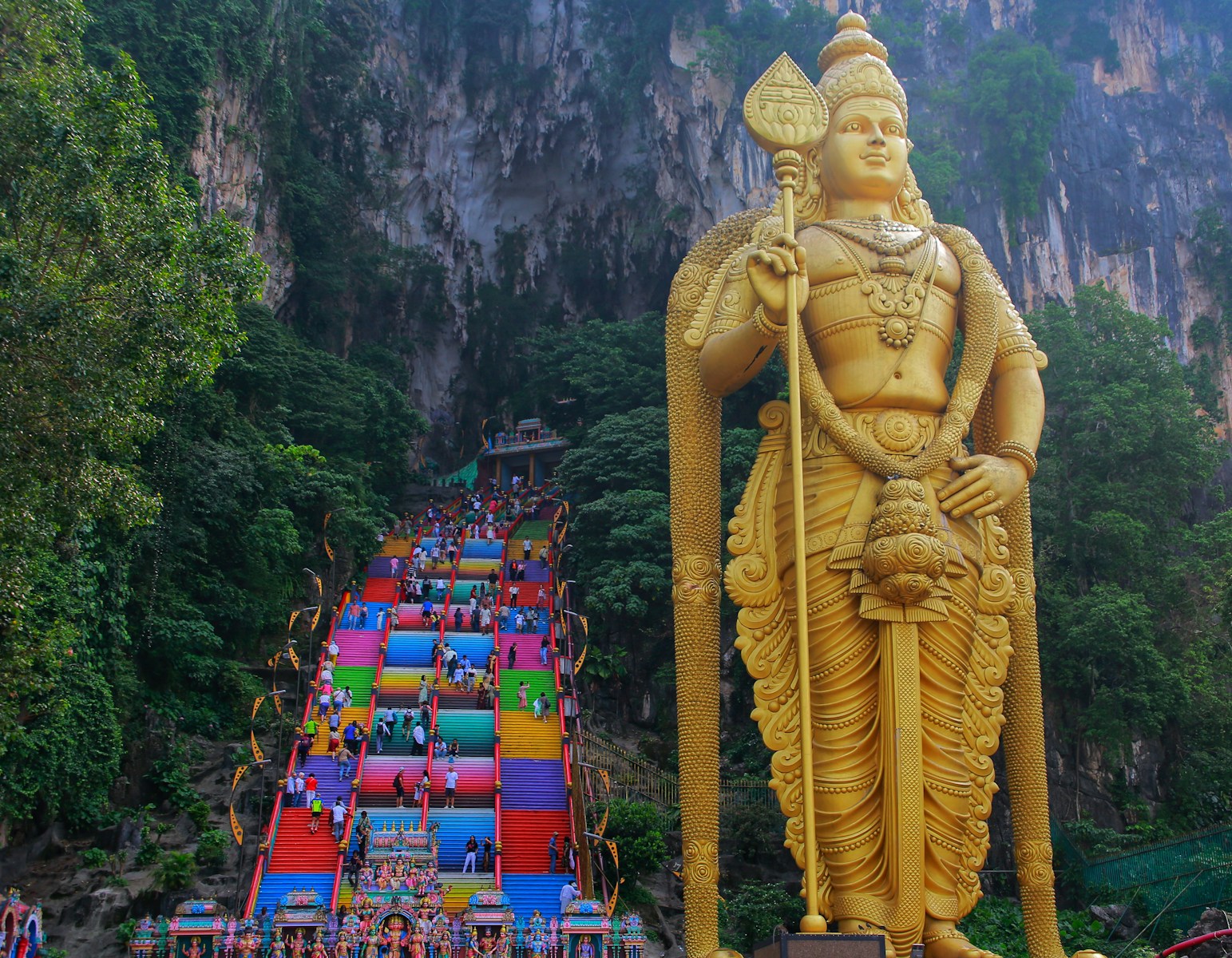
Batu Caves, Kuala Lumpur — limestone Hindu temple complex and colorful steps.
George Town, Penang (UNESCO) — colonial streets, street art, heritage shophouses and famous hawker food.
Penang Street Food & Little India (Brickfields / Jalan Masjid India) — culinary hotspot for Indian travellers.
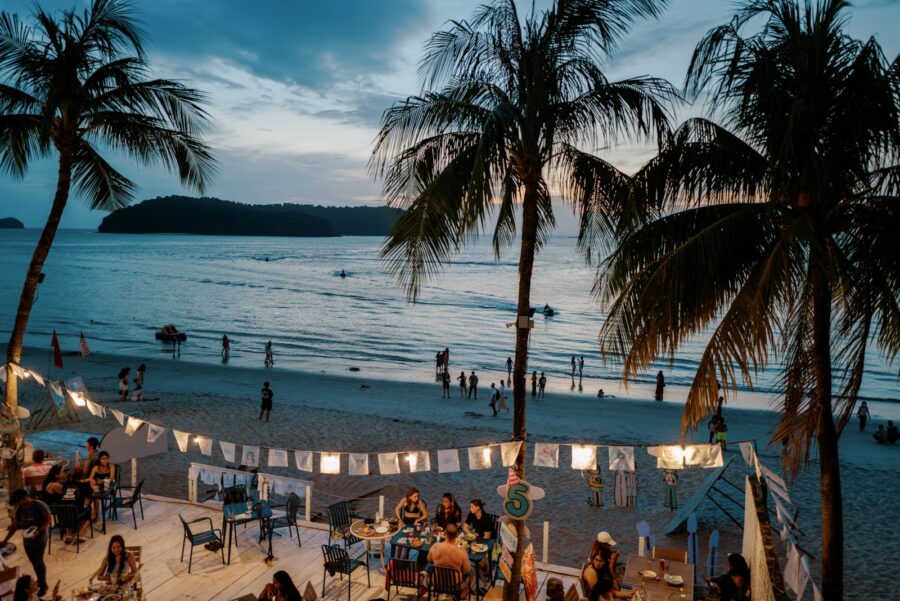
Langkawi Islands — beaches, cable car, geopark and duty-free shopping.
Mount Kinabalu (Kota Kinabalu, Sabah) — climb Malaysia’s highest peak; gateway to Kinabalu Park (UNESCO).
Sepilok Orangutan Rehabilitation (Sabah, Borneo) — one of the best places to see orangutans ethically.
Things To Do In Malaysia
(Top experiences, activities — use as checklist)
Explore Kuala Lumpur skyline: Petronas Twin Towers & KLCC Park.
Taste hawker food in Penang (Char Kway Teow, Penang Laksa) and KL’s Jalan Alor.
Heritage walk & street art hunt in George Town, Penang.
Island hop in Langkawi or dive/snorkel at Perhentian & Redang.
Trek the Tea Trails and Mossy Forest in Cameron Highlands.
Climb or day-trek Mount Kinabalu (permits required).
Visit Sepilok / Borneo wildlife sanctuaries for orangutans and proboscis monkeys.
Shop at Bukit Bintang / Central Market (KL) and Jonker Street (Malacca).
Ride the Langkawi Cable Car & Sky Bridge for panoramic views.
Take a river safari or firefly tour near Kuala Selangor.
Best Time To Travel
West Coast (KL, Penang, Langkawi, Malacca): Best months December to February / March (drier at times), but generally visitable year-round; short tropical showers common.
East Coast (Perhentian, Redang, Tioman): Best months March to October — many resorts close Nov–Feb due to Northeast Monsoon.
Cameron Highlands / Highlands & Borneo: Cooler year-round; Borneo (Sabah/Sarawak) best March–October for diving and trekking; weather can be local.
Seasonal Tradeoffs
Peak season (Nov–Mar on west coast / Mar–Oct on east coast): best sea & beach conditions for respective coasts but more crowds and higher prices.
Shoulder / off-peak: better hotel deals, fewer crowds but risk of rain or limited island services (east coast monsoon closures).
Events & Precautions
Major Festivals & Events
Hari Raya Aidilfitri / Eid, Deepavali, Chinese New Year, Thaipusam (particularly in KL), Penang’s George Town Festival, and food festivals across the year.
Precautions
During festival crowds keep belongings secure; use local transport where possible.
Check island ferry schedules during monsoon months (Nov–Feb on east coast).
For jungle/trekking trips wear proper footwear, insect repellent; follow park rules and hire guides for remote treks.
When climbing Mount Kinabalu or trekking in Borneo, book permits and guides well in advance.
Useful Travel Tips
Transport & Local Guide: Use KTM, RapidKL (LRT/MRT), Grab app and licensed taxis for city travel; intercity buses and budget flights (AirAsia, Firefly) for national hops.
Currency: Malaysian Ringgit (MYR). Cards widely accepted; keep cash for hawker stalls & small villages.
Accommodation: Wide choices — hostels, boutique heritage stays in Penang / Malacca, and resorts in Langkawi / Borneo. Book early for peak island season.
Internet & Connectivity: Cheap prepaid SIMs (Digi, Maxis, U Mobile); major cities have fast 4G/5G.
Language: Malay is official; English is widely spoken in tourist areas. Tamil/Chinese dialects common in Indian/Chinese communities.
Sustainable Travel & Responsible Tourism: Respect wildlife sanctuaries (no feeding), use reef-safe sunscreen, choose eco-certified operators, and avoid single-use plastics on islands.
Health & Wellness: Typical travel vaccines up to date (tetanus, hepatitis). Carry anti-diarrheal meds. For Borneo regions, check malaria advice for rural zones; use mosquito repellent.
Connectivity & Communication: Download offline Google Maps areas, keep hotel address in Malay & English, save local emergency numbers.
Local Etiquette & Cultural Norms: Dress modestly when visiting mosques; remove shoes in houses/temples; avoid public displays of affection in conservative areas.
Shopping & Souvenirs: Batik textiles, pewterware (Royal Selangor), local snacks, spices, sarongs, handcrafts — buy at Central Market (KL), Jonker Street (Malacca), Armenian Street (Penang).
Things Not To Do / Avoid
Don’t insult religion, royalty or political institutions — Malaysian laws are strict.
Don’t wear immodest clothes in religious sites; follow rules in mosques (headscarf if required).
Avoid swimming at beaches flagged as dangerous; heed lifeguard flags.
Don’t purchase or carry restricted items — check customs & duty rules for food, plants, animal products.
Don’t support unethical wildlife attractions (avoid venues that promote animal performances or photo ops involving stressed animals).
Health & Safety: travel insurance recommended (covers medical evac for remote Borneo trips). Stay hydrated in hot humid climates.
Important Emergency Contacts / Apps: – Malaysia Emergency Number (Police/Fire/Ambulance): 999.
– Tourist/consular help: contact your embassy (India High Commission in Kuala Lumpur: +60 country code — look up current number before travel).
– Ride app: Grab (widely used).
Suggested Itineraries
3-Day Malaysia Itinerary (Kuala Lumpur + Day Trip)
Day 1: Arrival KL — Petronas Twin Towers, KLCC Park, Bukit Bintang evening.
Day 2: Batu Caves morning, National Mosque / Merdeka Square & Central Market; evening food at Jalan Alor.
Day 3: Day trip to Malacca (UNESCO, Jonker Walk) or day trip to Batu or Genting Highlands; depart.
(Arrival: KLIA; Departure: KLIA)
5-Day Malaysia Itinerary (Peninsular Highlights) — Popular
Day 1: Arrival Kuala Lumpur — city sights & street food.
Trip extension tip: Malaysia is an excellent hub for multi-country Southeast Asia trips — use low-cost carriers (AirAsia, Scoot) for short regional hops and check visa requirements for each country before travel.
Must Try — For Foodies
(Each entry references well-known listings; approximate per-person ranges indicate typical meal cost (non-alcoholic). I used TripAdvisor / local food guides as reference.)
Indian Veg
Annalakshmi (Brickfields / KL) — vegetarian Indian (pay-as-you-can style available at some outlets). (@approx. MYR 10–30).
Saravanaa Bhavan (KL / Penang) — South Indian chain widely available. (@approx. MYR 10–35).
Shanmugam (Penang / KL local favourites) — vegetarian options at Indian eateries in Little India. (@approx. MYR 10–30).
Indian Non-Veg
Nasi Kandar Line Clear / Kampung Melayu stalls (Penang) — Indian Muslim style curries and biryanis. (@approx. MYR 8–30).
Devi’s Corner / Brickfields Indian eateries (KL) — popular with locals & tourists for robust non-veg Indian plates. (@approx. MYR 15–50).
Bombay Palace / fine Indian restaurants in KL — for upscale Indian dining (MYR 50–150+).
Local Cuisine (Malay / Nyonya / Chinese / Street Food)
Jalan Alor (Kuala Lumpur) — night food street with Malaysian & Chinese specialties. (@approx. MYR 10–40).
Nasi Lemak stalls & local kopitiams — traditional breakfast & local coffee culture. (@approx. MYR 5–15).
Other International Cuisines
Big cities (KL, Penang) feature Japanese, Korean, Western and fusion dining — expect MYR 25–150 per person depending on choice.
Additional Information
Official Tourism Site: Tourism Malaysia — malaysia.travel for visas, events and travel advisories.
Emergency Contacts: Malaysia Emergency (Police / Fire / Ambulance) 999. Save your embassy/consulate contacts (Indian High Commission in Kuala Lumpur) before travel.
Visa / Entry: Indian passport holders generally need a visa or eVisa depending on current rules — check Malaysia’s official immigration or your airline before travel.
Frequently Asked Questions
Indian passport holders usually require a Malaysian visa or eVisa — check Malaysia’s official immigration or the nearest consulate for current rules.
Generally yes — cities are safe for tourists; standard precautions (avoid isolated areas late at night) apply.
Malaysian Ringgit (MYR). Cards accepted in cities; carry cash for hawker centres and islands.
Best season: March–October; many island resorts close during the November–February monsoon.
5–7 days for a good Peninsular loop (KL → Penang → Langkawi/Cameron); 10+ days if adding Borneo (Sabah/Sarawak).
Yes — vegetarian and Indian restaurants are widely available, particularly in KL, Penang and other major towns.
In major cities tap water is generally treated but many travelers prefer bottled water, especially on islands & remote areas.
Strongly recommended — cover for medical, theft and adventure activities (diving, trekking).
Good in cities (MRT/LRT in KL) and between major towns via bus/air; islands and remote areas rely on boats and local transport.
Routine vaccines recommended; for Borneo/jungle areas check with your doctor about malaria prophylaxis and other region-specific advice.
Need Assistance?
For any questions about Attraction bookings, please reach out to us via WhatsApp or call.



 3N/4D
3N/4D 4.7 (Excellent)