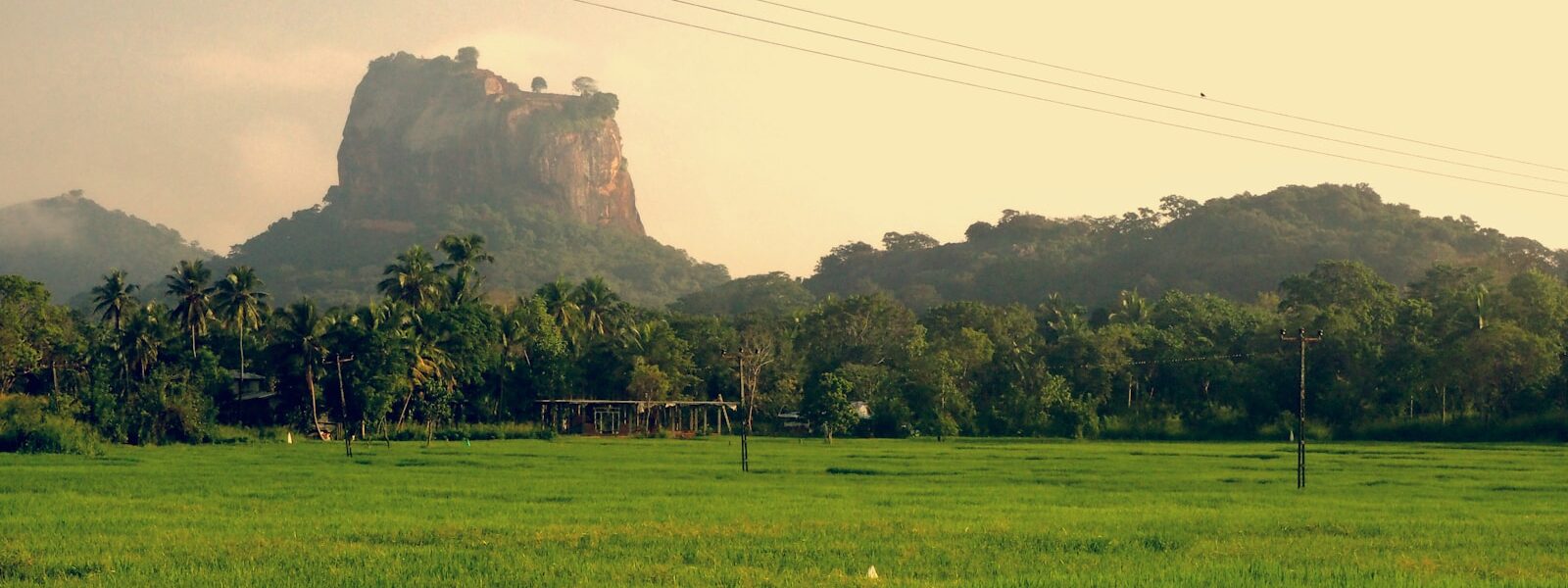
Sri Lanka: Island Of Serene Beaches And Ancient Wonders
(Sri Lanka – South Asia)
Sri Lanka-Beach
Sri Lanka is a small island nation in the Indian Ocean known for its lush tea terraces, golden beaches, ancient ruins and rich cultural tapestry. Despite its compact size, the island packs a huge variety of experiences — colonial forts in Galle, UNESCO-listed sites such as the ancient cities of Polonnaruwa and Sigiriya, wildlife safaris in Yala and Wilpattu, scenic hill trains through tea country (Nuwara Eliya → Ella), and vibrant marketplaces in Colombo and Kandy. Popular search phrases for Indian travellers include “Sri Lanka visa for Indians,” “things to do in Sri Lanka,” “Sri Lanka train ride,” and “best beaches in Sri Lanka.”
Historically a crossroads between India, Southeast Asia and Europe, Sri Lanka’s culture is shaped by Buddhism, Hinduism, colonial history and coastal trading traditions. It’s especially attractive to Indian tourists for short, affordable trips — flight time from major Indian cities is often under three hours — and close cultural ties (food preferences, familiarity with Hindu/Buddhist sites). Families enjoy beach resorts and safaris; couples favour coastal sunsets and hill-station tea stays; backpackers love coastal hostels, surf towns (Arugam Bay) and budget trains. Whether you’re after a safari to spot elephants and leopards, a relaxed train journey through emerald tea hills, or temple pilgrimages in Kandy and Anuradhapura, Sri Lanka delivers high-impact experiences with easy logistics. For official travel planning and emergency help, refer to Sri Lanka Tourism and government sites.
How To Reach Sri Lanka
By Air (from India): Regular direct flights connect major Indian cities (Chennai, Bengaluru, Mumbai, Delhi, Kochi) to Colombo (Bandaranaike International Airport) — flight times commonly 1.5–3 hours depending on origin.
By Sea / Ferry: Limited/island-to-island ferry options exist regionally but are not common for India→Sri Lanka travel.
Local Transport: Intercity travel is by train, bus or private car; domestic flights link remote areas (e.g., Colombo→Jaffna). For hill country and coastal travel, trains and hired cars are most convenient.
Tourist Attractions In Sri Lanka
Colombo — Vibrant capital with colonial architecture, museums, markets and dining.
Galle Fort (Galle) — UNESCO-listed Dutch fort, boutiques, cafés and coastal views.
Sigiriya Rock Fortress — Ancient rock palace and frescoes with panoramic views.
Polonnaruwa & Anuradhapura — Ancient cities with ruins, dagobas and archaeological sites.
Kandy & Tooth Relic Temple — Cultural capital with lakefront charm and Buddhist shrines.
Nuwara Eliya / Ella — Tea country, scenic train rides and misty mountain walks.
Yala National Park — Popular safari park for leopards, elephants and birdlife.
Wilpattu National Park — Less crowded, rich wildlife and rustic safari experience.
Mirissa & Unawatuna — Top beaches for swimming, whale-watching and relaxation.
Arugam Bay — Renowned surf spot on the east coast (seasonal).
Adam’s Peak (Sri Pada) — Pilgrimage mountain with sunrise views and multi-faith significance.
Dambulla Cave Temple — Rock temple complex with ancient Buddhist murals.
Take the scenic train ride from Kandy → Nuwara Eliya → Ella (famous hillside route).
Climb Sigiriya Rock early morning to avoid heat and crowds.
Go on a jeep safari in Yala or Wilpattu to spot leopards and elephants.
Surf or learn to surf at Arugam Bay (east) or Hikkaduwa / Weligama (south).
Whale-watch from Mirissa (seasonal) and look for blue whales and dolphins.
Enjoy a tea-factory tour and sample Ceylon tea in Nuwara Eliya or Ella.
Stroll the ramparts and cafés of Galle Fort and watch sunset over the Indian Ocean.
Visit sacred sites: Temple of the Tooth (Kandy), Dambulla Cave Temple, pilgrimage to Adam’s Peak.
Relax on beaches (Unawatuna, Mirissa, Bentota) and try water sports.
Explore Colombo’s food scene and night markets; try a cooking class.
Trek in Horton Plains National Park to World’s End viewpoint.
Cycle through rural lanes or go birding in Bundala/Kaudulla.
Best Time To Travel
South & West Coast + Hill Country (Colombo, Galle, Nuwara Eliya): Best from December to March (dry season) — ideal for beaches and hill walks.
East Coast (Trincomalee, Arugam Bay): Best from May to September — surf season and clearer seas.
Shoulder Months:April and October–November can be transitional (short rains/inter-monsoon), useful for lower prices and fewer crowds.
Monsoon Notes: Sri Lanka experiences two monsoons (south-west May–September and north-east Oct–Jan); choose regionally. Plan travel using the “best season” for the region you intend to visit.
Events & Precautions
Major Festivals / Events:
Esala Perahera (Kandy) — grand Buddhist procession (usually July/August; date varies by lunar calendar).
Sinhala & Tamil New Year (mid-April) — island-wide celebrations, food and rituals.
Poson & Vesak — important Buddhist festivals with lanterns and temple ceremonies.
Precautions During Events & Crowds:
Book accommodation & transport early for festival periods.
Keep valuables secure in crowded temple areas and processions.
Respect local dress codes at religious sites—cover shoulders and knees; remove shoes.
During monsoon months, avoid travel on rural roads prone to flooding or landslides; check local weather advisories.
Useful Travel Tips
Transport & Local Guide / Budget Travel: Trains and buses are the cheapest options; hire a private car + driver for flexible island touring if travelling in a group.
Currency & Payment: Sri Lankan Rupee (LKR). Cards are widely accepted in cities; carry cash for remote areas and tuk-tuks.
Accommodation: Ranges from guesthouses and boutique surf stays to luxury resorts; book hill country stays in advance during high season.
Connectivity & Communication: Buy a local SIM (Dialog / Mobitel / Airtel Sri Lanka) at the airport for good data coverage.
Local Etiquette & Cultural Norms: Use “Ayubowan” or a simple Namaste gesture; always remove shoes at temple entrances and dress modestly at religious sites.
Sustainable Travel & Responsible Tourism: Choose certified eco-tours, avoid single-use plastics, do not swim in marine protected areas, and support community-run homestays.
Health & Wellness: Use sun protection (UV is strong), stay hydrated, and avoid tap water for drinking (use bottled or filtered water). Check routine vaccinations and consider travel insurance covering medical evacuation for remote adventures.
Packing Essentials: Lightweight breathable clothes, sunhat, reusable water bottle, insect repellent, light rain jacket (depending on season), good walking shoes and a power adapter.
Shopping Guide & Souvenirs: Ceylon tea, handloom textiles, batik, masks and local spices make great souvenirs; verify customs rules for food/plant products before returning to India.
Things Not To Do / Avoid
Don’t wear revealing clothing at temples; always cover shoulders and knees.
Avoid photographing people (especially monks) without permission.
Don’t touch or climb on ancient ruins where prohibited — some sites are archaeologically sensitive.
Don’t feed wild animals or approach elephants on roads — observe wildlife at a safe distance.
Avoid unlicensed tour operators for safaris or boat trips; confirm safety certificates.
Don’t drink tap water in rural areas — stick to bottled/filtered water.
Things To Remember
Carry photocopies of passport and travel documents; keep originals secure.
Emergency contacts / tourist help: Tourism Info: Dial 1912; Police / Ambulance / Fire: 110 / 118 / 119; national tourism contacts available via Sri Lanka Tourism sites.
Keep a small medical kit, altitude is not an issue for most destinations but insect-borne illnesses exist in some lowland areas — consult a travel clinic if needed.
If planning to drive, remember Sri Lanka drives on the left and roads in rural areas can be narrow.
Suggested Itinerary Options
3-Day Itinerary (Popular)
Day 1: Arrival Colombo — short city tour (Gangaramaya Temple, Galle Face Green), overnight in Colombo.
Southeast Asia (e.g., Bangkok, Thailand) — flight ~3–4 hours; good for multi-city itineraries. (Flight)
Trip extension tips overall: Coordinate visa requirements (and ETA where required), allow rest days after flights, and consider local seasonal windows (e.g., visit Maldives when Sri Lanka’s east/west coasts are in different seasons).
Must Try — For Foodies
(Each entry lists cuisine, city, and approximate per-person cost estimates; recommendations reflect popular/ well-reviewed spots.)
Indian Vegetarian
The Curry Leaves (Colombo) — South Indian favourites and vegetarian options. (@approx. LKR 800–1,800 per person).
Podi (Kandy) — Vegetarian and Sri Lankan rice-and-curry specialties. (@approx. LKR 600–1,200 per person).
(Sources: local listings & TripAdvisor / Wanderlog aggregates).
Indian Non-Veg
Indian Pavilion (Galle Road, Colombo) — Popular with Indians for traditional meat dishes. (@approx. LKR 1,000–2,500 per person).
Curry Leaf (Galle Fort) — Known for coastal seafood and curry preparations. (@approx. LKR 1,200–2,500 per person).
Local Sri Lankan Cuisine
Ministry Of Crab (Colombo) — Famous seafood restaurant (expect queues; book ahead). (@approx. LKR 3,000–8,000 per person).
Upali’s by Nawaloka (Colombo) — Well-rated for authentic Sri Lankan rice & curry and hoppers. (@approx. LKR 800–2,000 per person).
The Gallery Café (Colombo) — Popular for contemporary Sri Lankan fare. (@approx. LKR 1,200–2,500 per person).
Other / International & Café Scene
Barefoot Garden Café (Colombo / Galle) — Casual café with local/ international menu. (@approx. LKR 700–1,500 per person).
Cafe Chill (Unawatuna) — Backpacker favourite with international dishes. (@approx. LKR 500–1,200 per person).
(These picks are based on traveller reviews and local food guides; always check current opening hours and book popular restaurants in advance.)
Additional Information
Official Sri Lanka Tourism: Visit https://www.srilanka.travel — tourism information, contacts & emergency lines.
Emergency & Tourist Help: Sri Lanka Tourism Info: Dial 1912; Police / Ambulance / Fire hotlines listed on official site (Police Emergency 118/119, Ambulance/Fire 110).
Frequently Asked Questions
Indians must check current entry rules — Sri Lanka uses an Electronic Travel Authorization (ETA) system; confirm on the official ETA site.
Sri Lankan Rupee (LKR). Major cards are accepted in cities and resorts; carry cash for markets and remote areas.
Generally yes — standard safety precautions apply: avoid isolated areas at night and keep possessions secure.
Trains (scenic routes), buses and hired cars with drivers are common; trains are slow but offer the best hill-country views.
Yes — buy a local SIM (Dialog / Mobitel / Airtel Sri Lanka) at the airport for data and local calls.
It’s safer to drink bottled or filtered water in most places; boiling is common practice in rural stays.
Sinhala and Tamil are the official languages; English is widely used in tourism and urban areas.
Highly recommended — it should cover medical expenses, theft and activity-specific coverage (surfing/safari/trekking).
Tipping is appreciated but not mandatory; rounding up or leaving 5–10% for good service is common.
Whale-watching (Mirissa) is typically good in December–April; east-coast surfing (Arugam Bay) peaks May–September — check regional seasons.
Yes — dress modestly, remove shoes, and follow local customs at temples and shrines.
Use SLTDA-licensed operators or well-reviewed providers on major travel platforms and confirm safety credentials.
Need Assistance?
For any questions about Attraction bookings, please reach out to us via WhatsApp or call.